
Sale House Own Lot In El Talar
Propiedades Residenciales in El Talar · Tigre
Sale
Price
USD500.000


























Key information
Total area
2,652 m²
Covered
300 m²
Rooms
8
Bedrooms
6
Bathrooms
3
Parking
6
Operation
Sale
Property type
Casa
Property Description
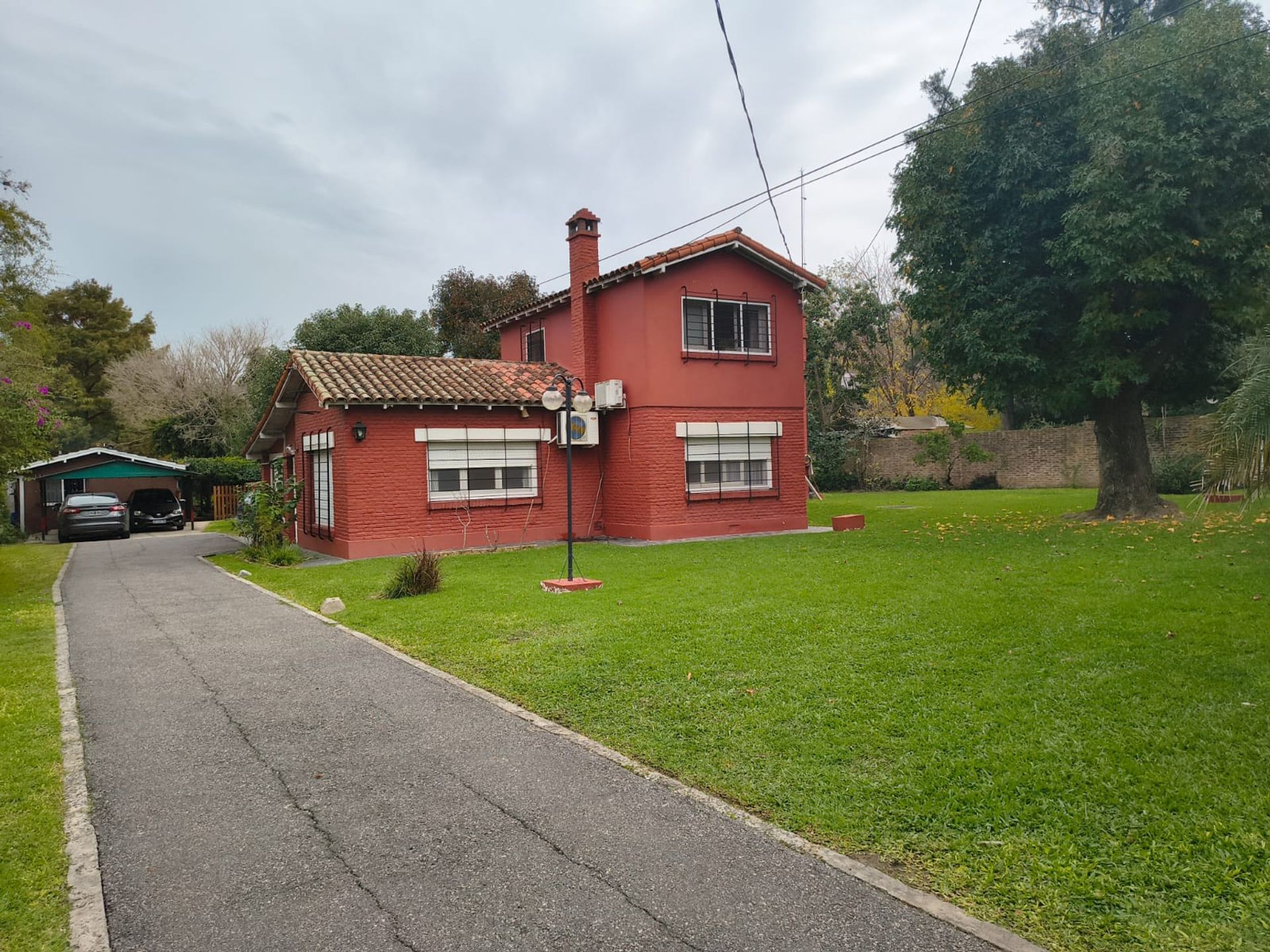
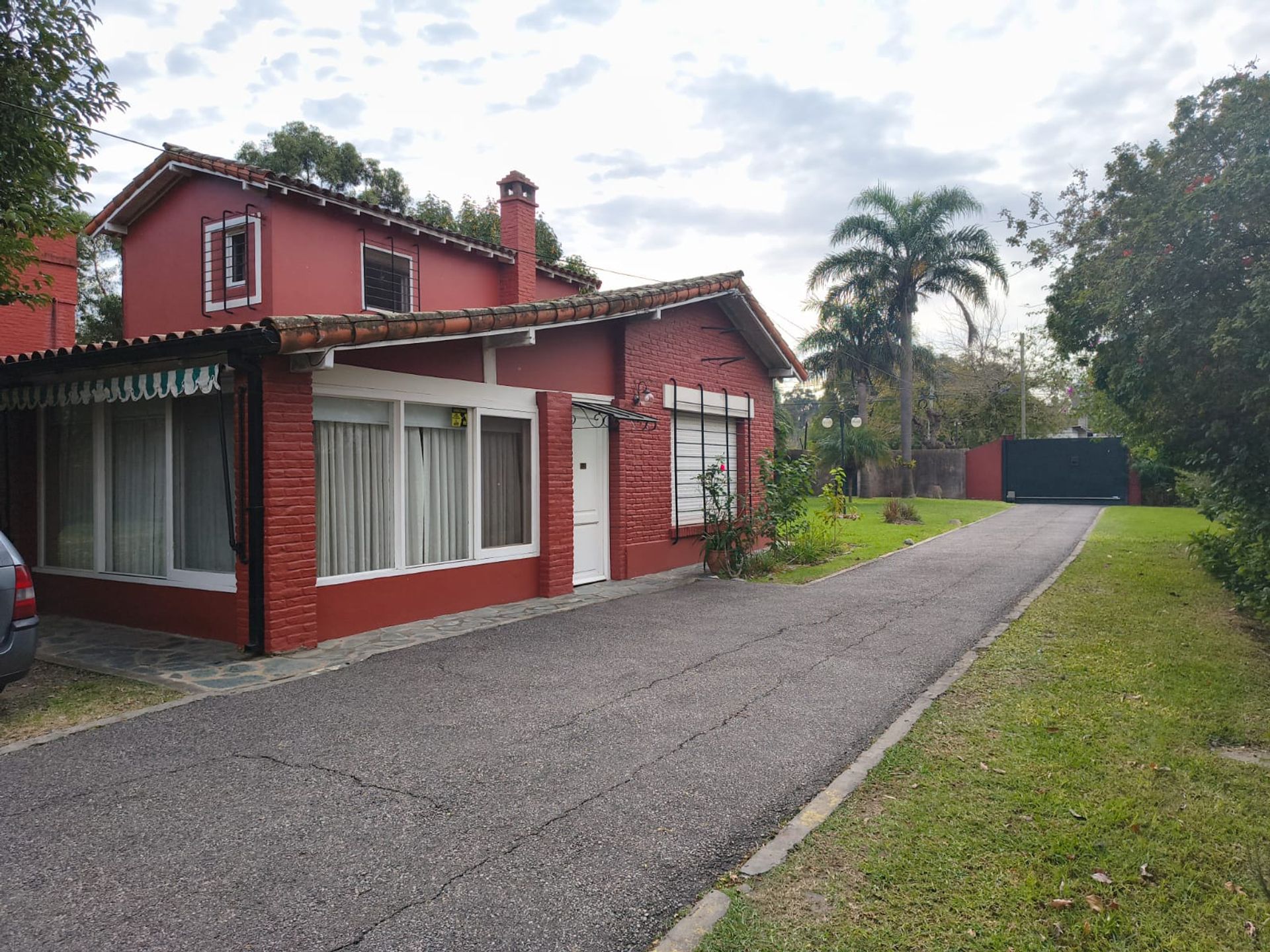
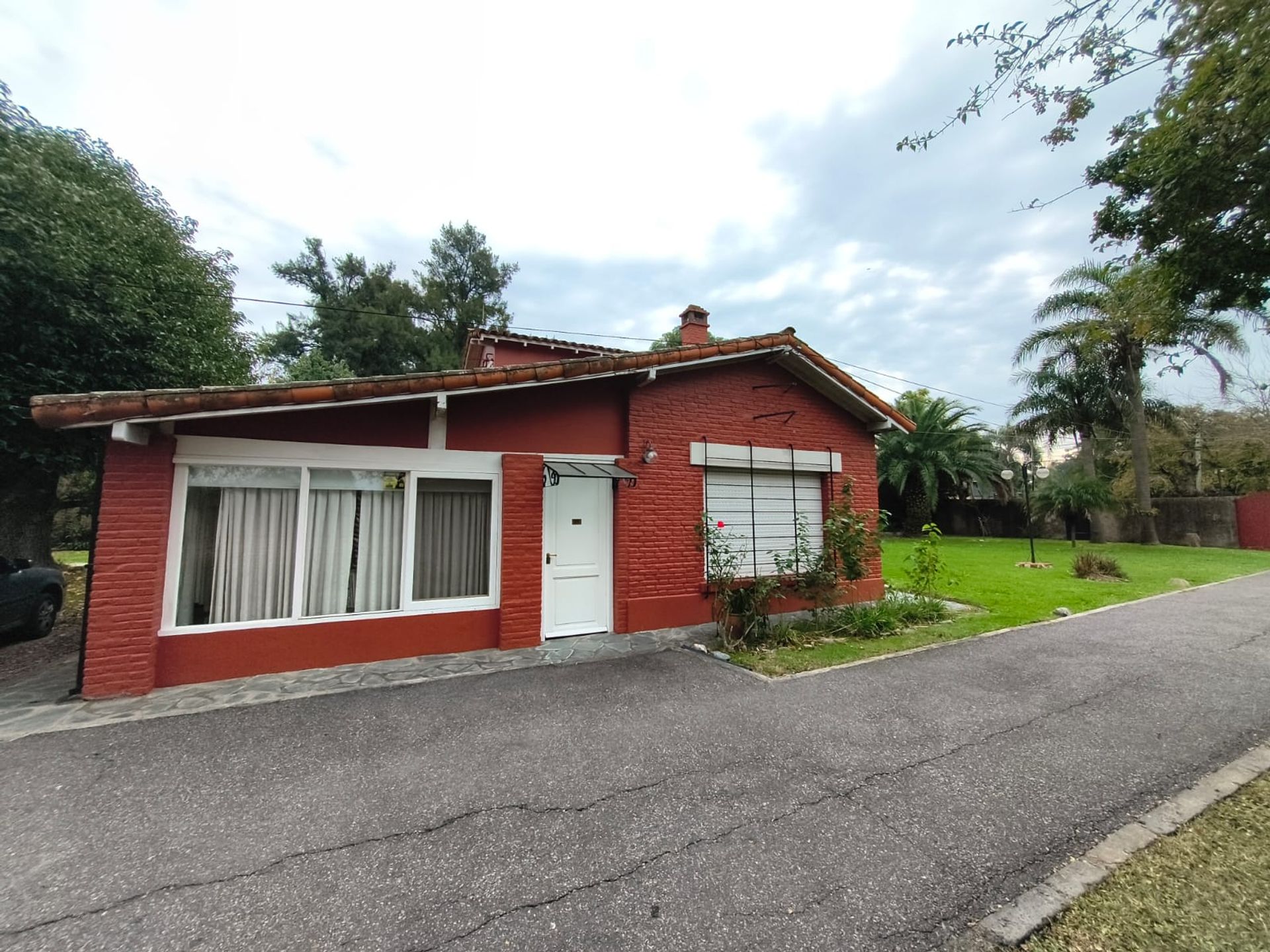
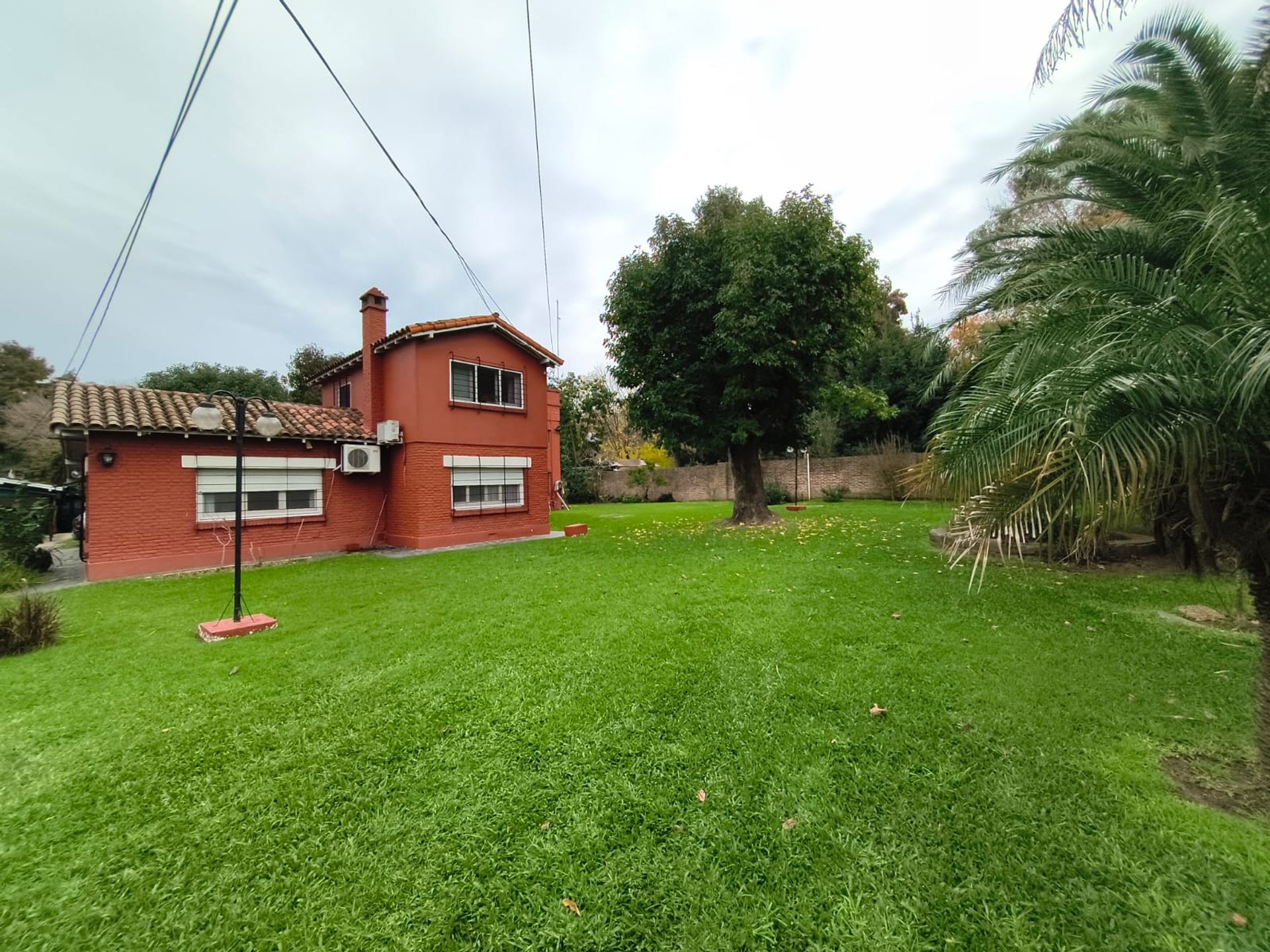
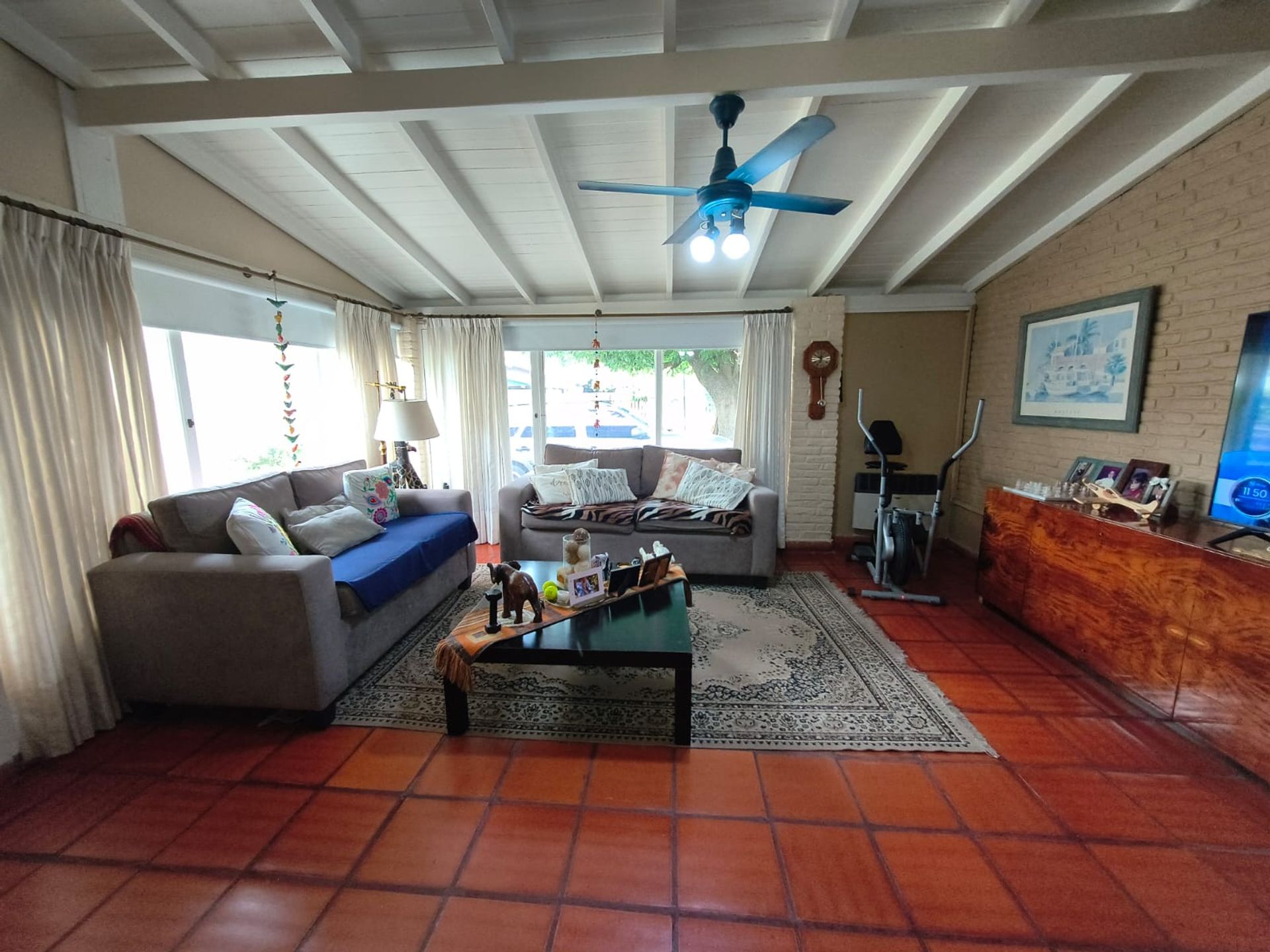
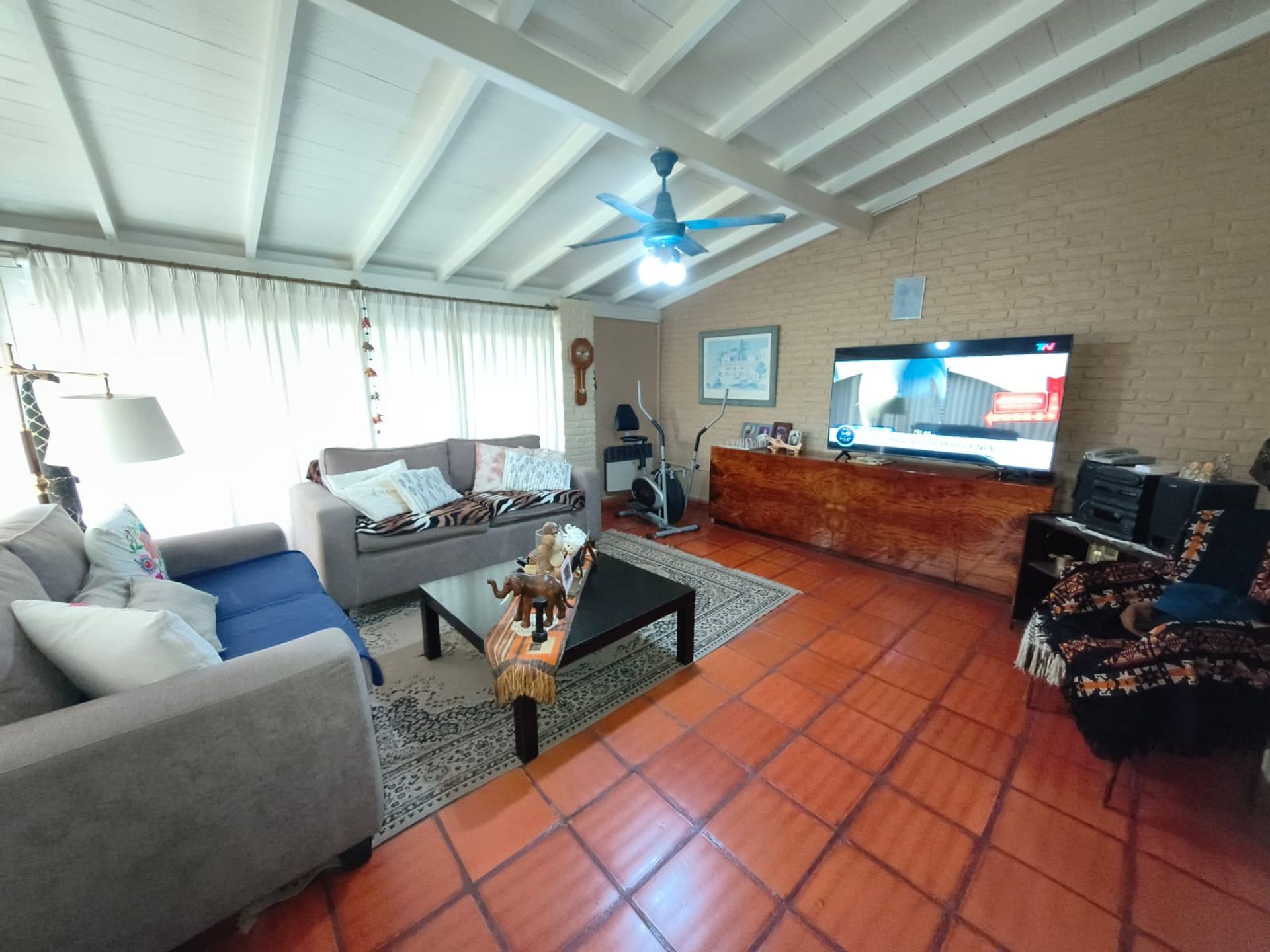
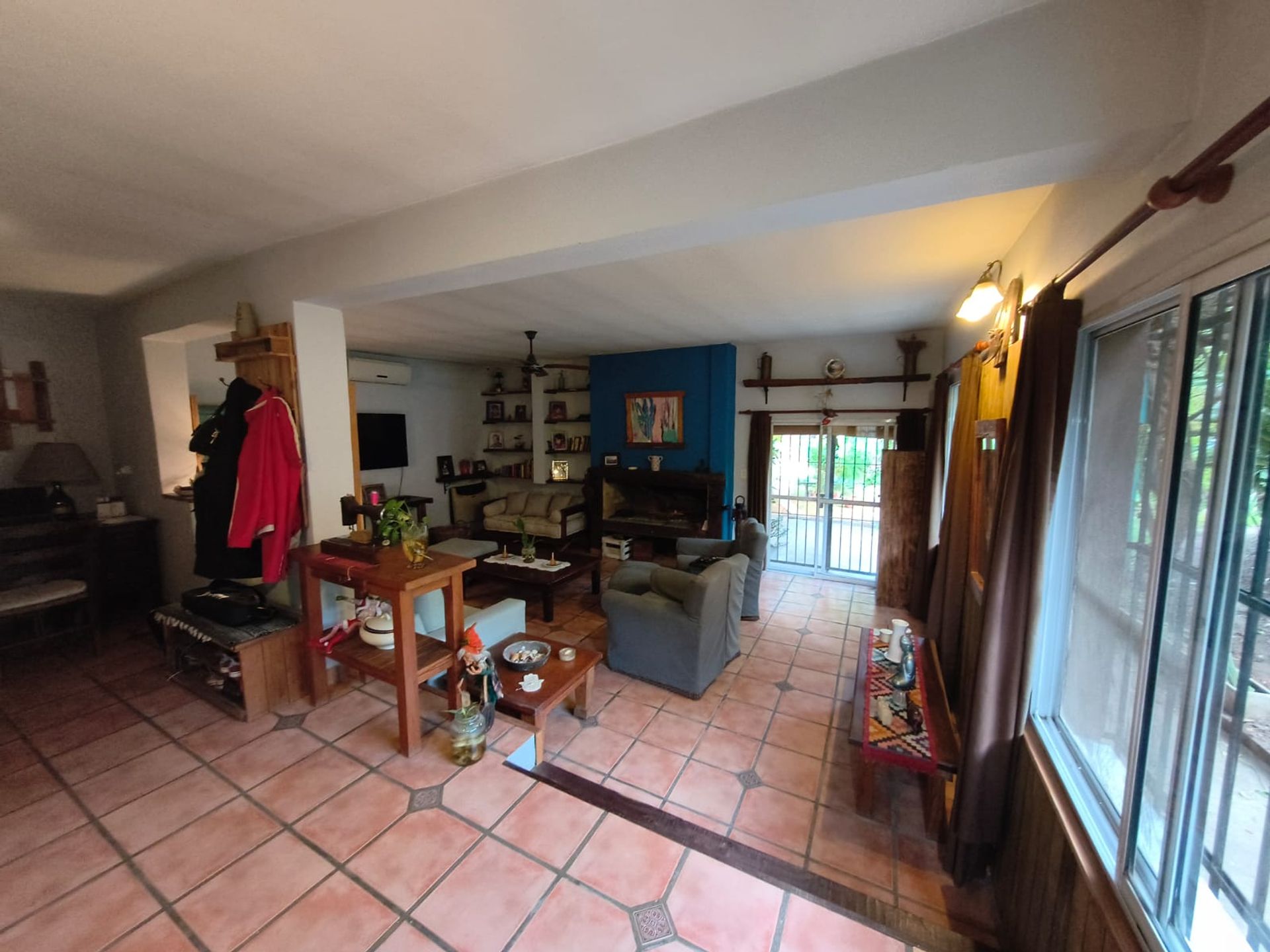
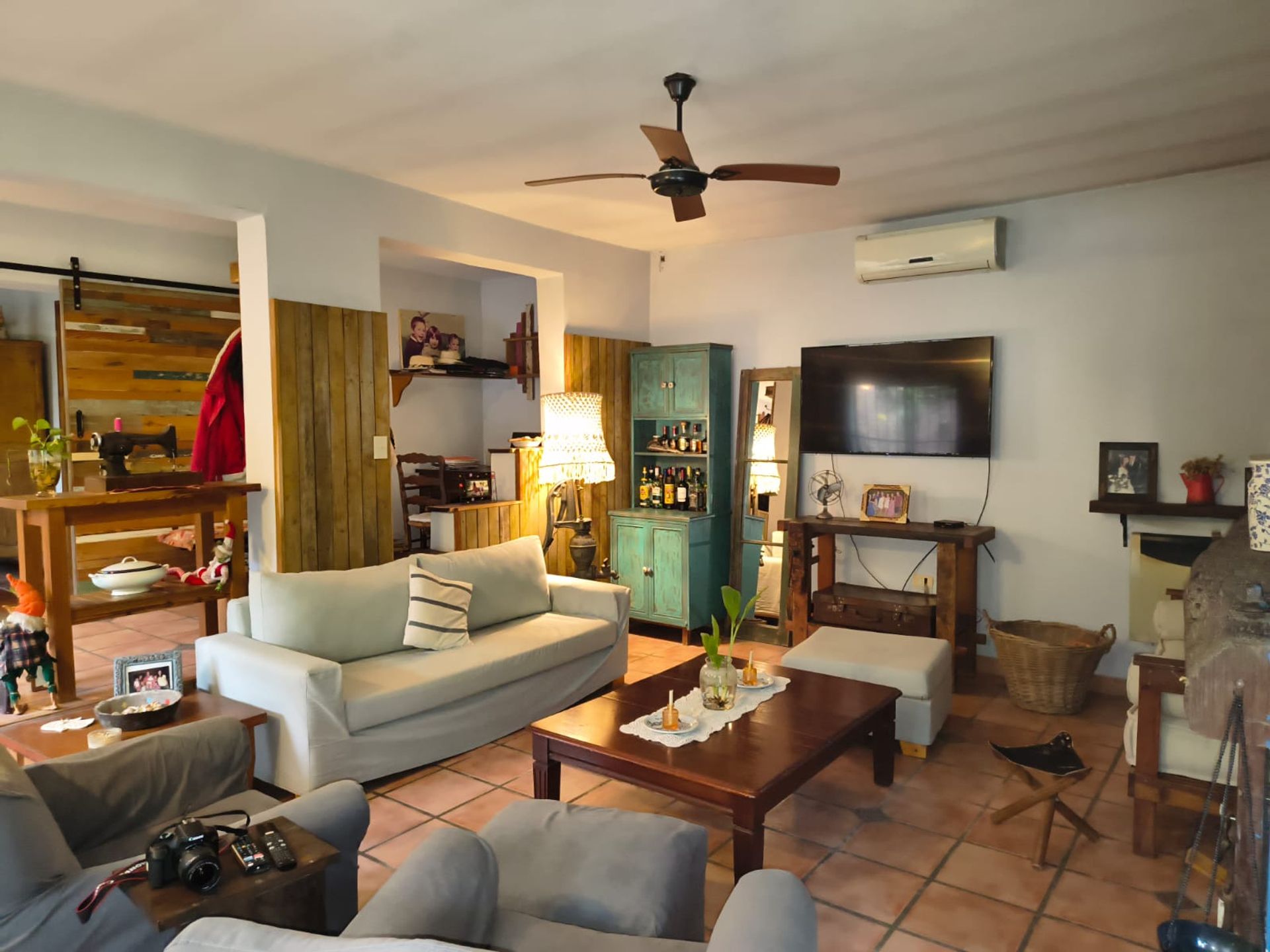
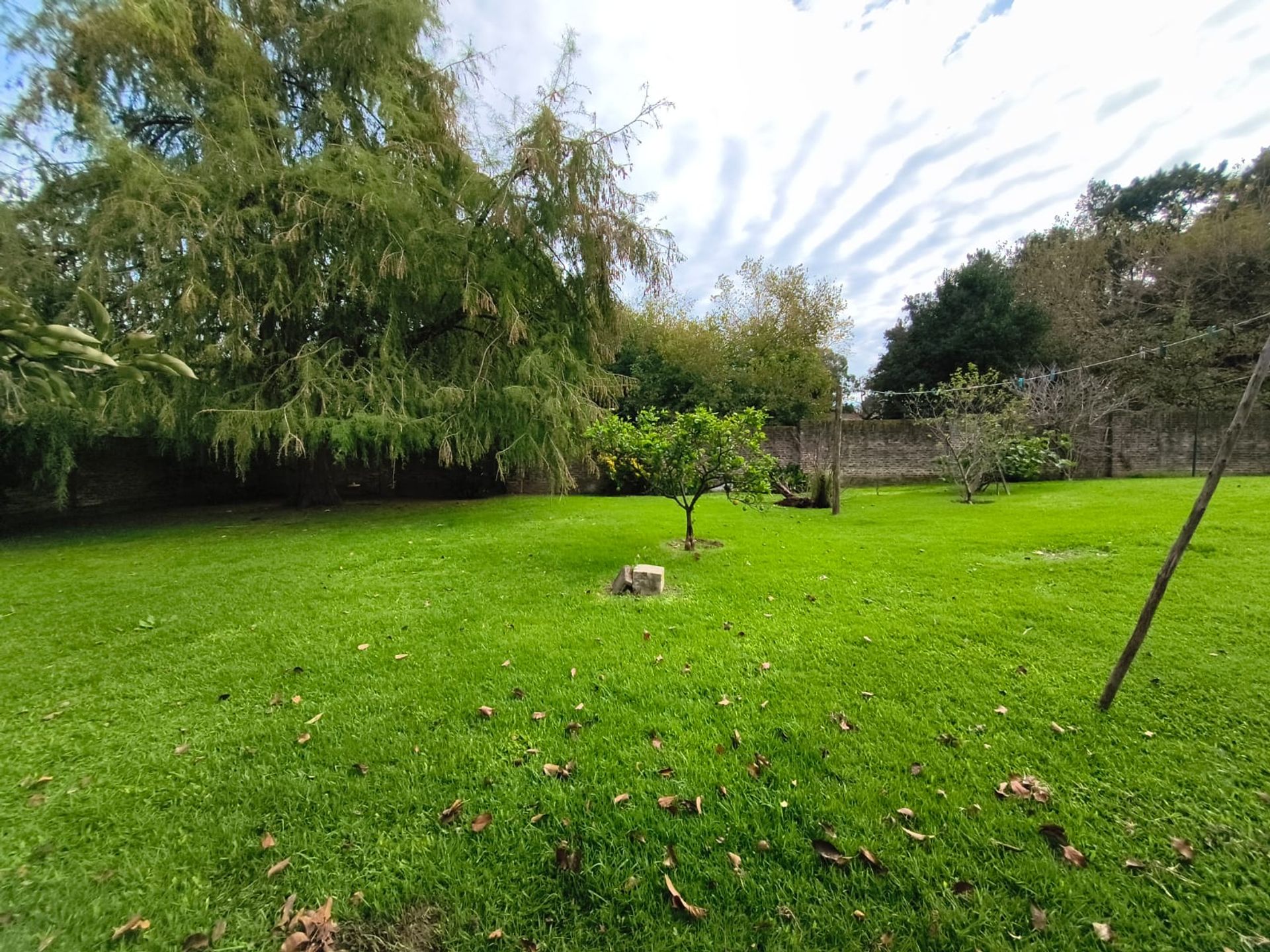
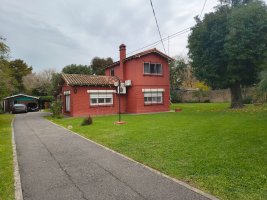
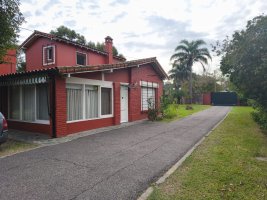
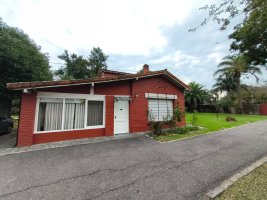
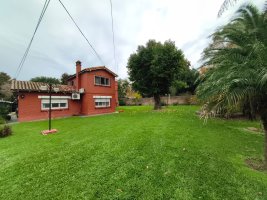
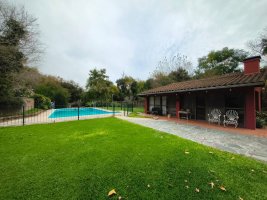
House for sale located in an excellent area of El Talar. The property is laid out as a multifamily complex made up of two homes of four rooms each, joined by a large shared garden, and its spaces are completed with a quincho, a large pool and a garage with an entrance for several cars.
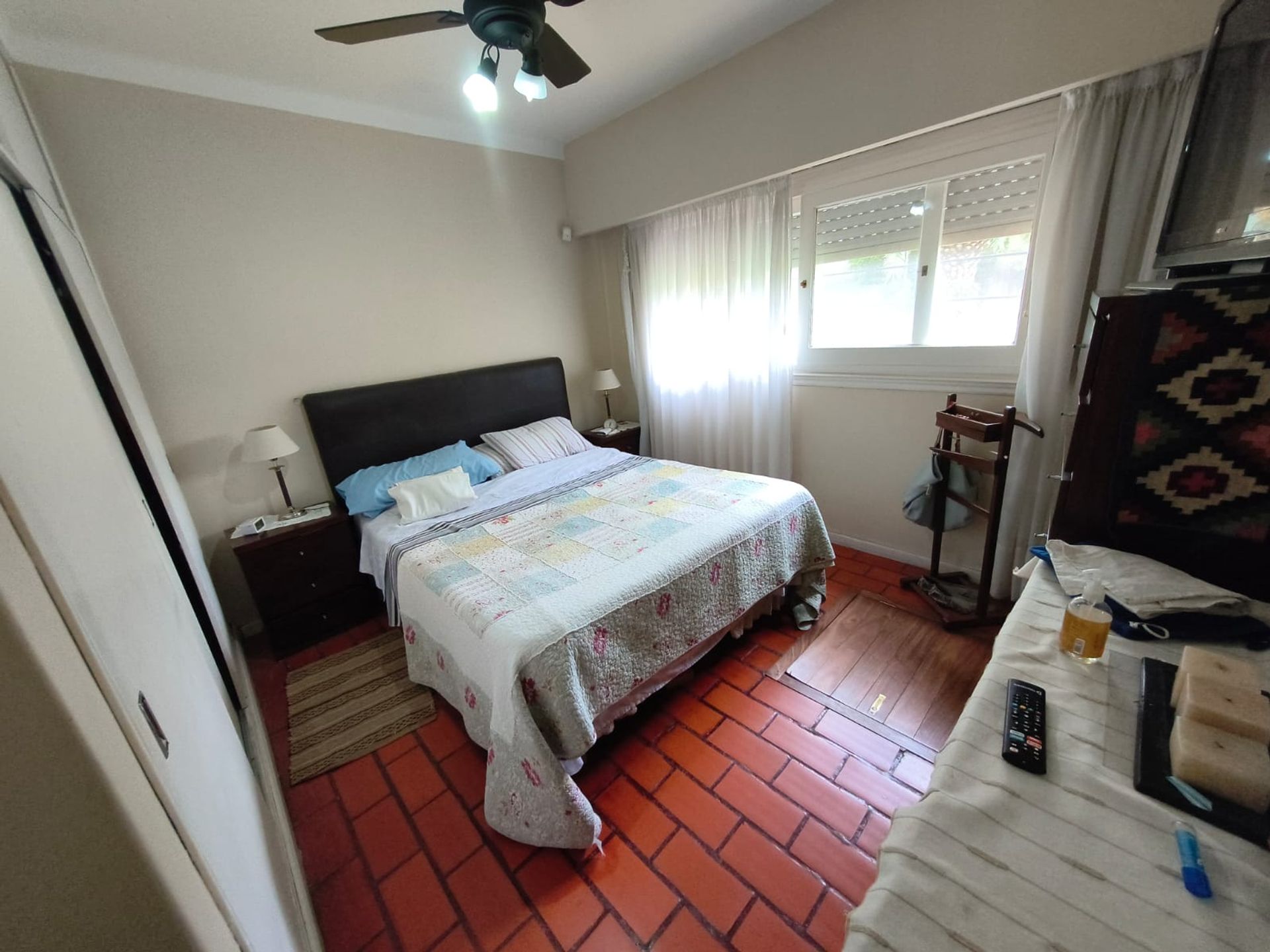
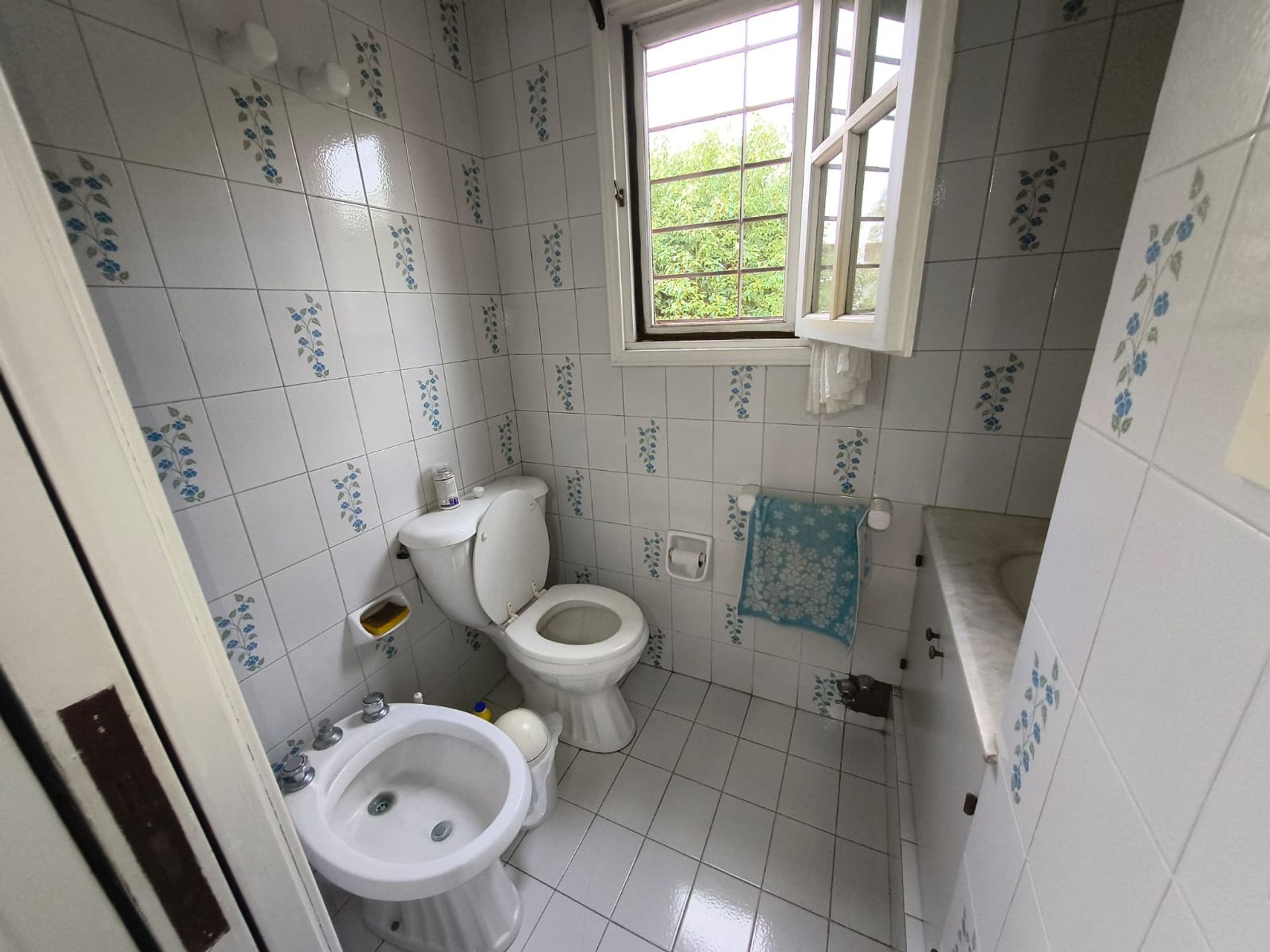
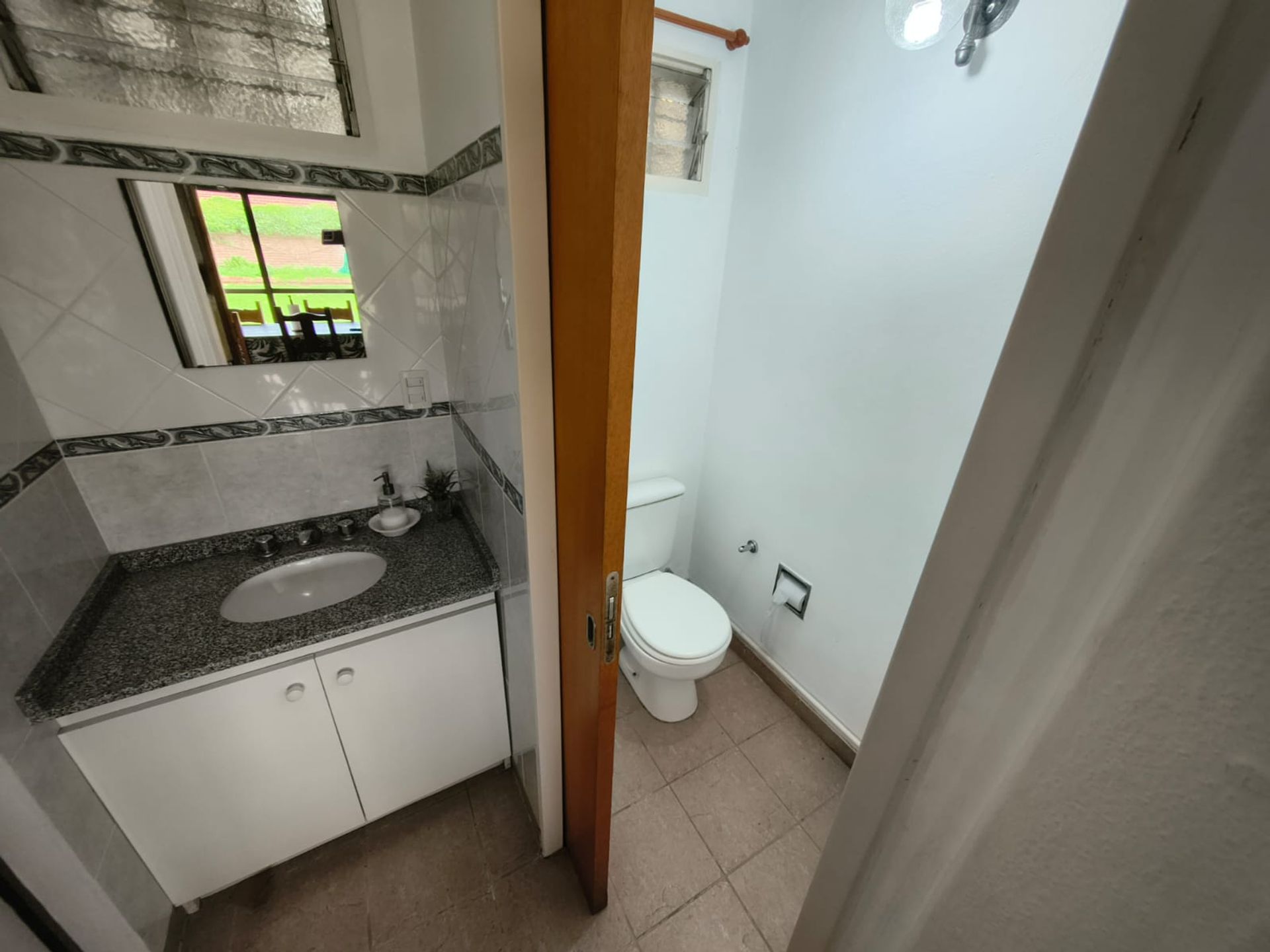
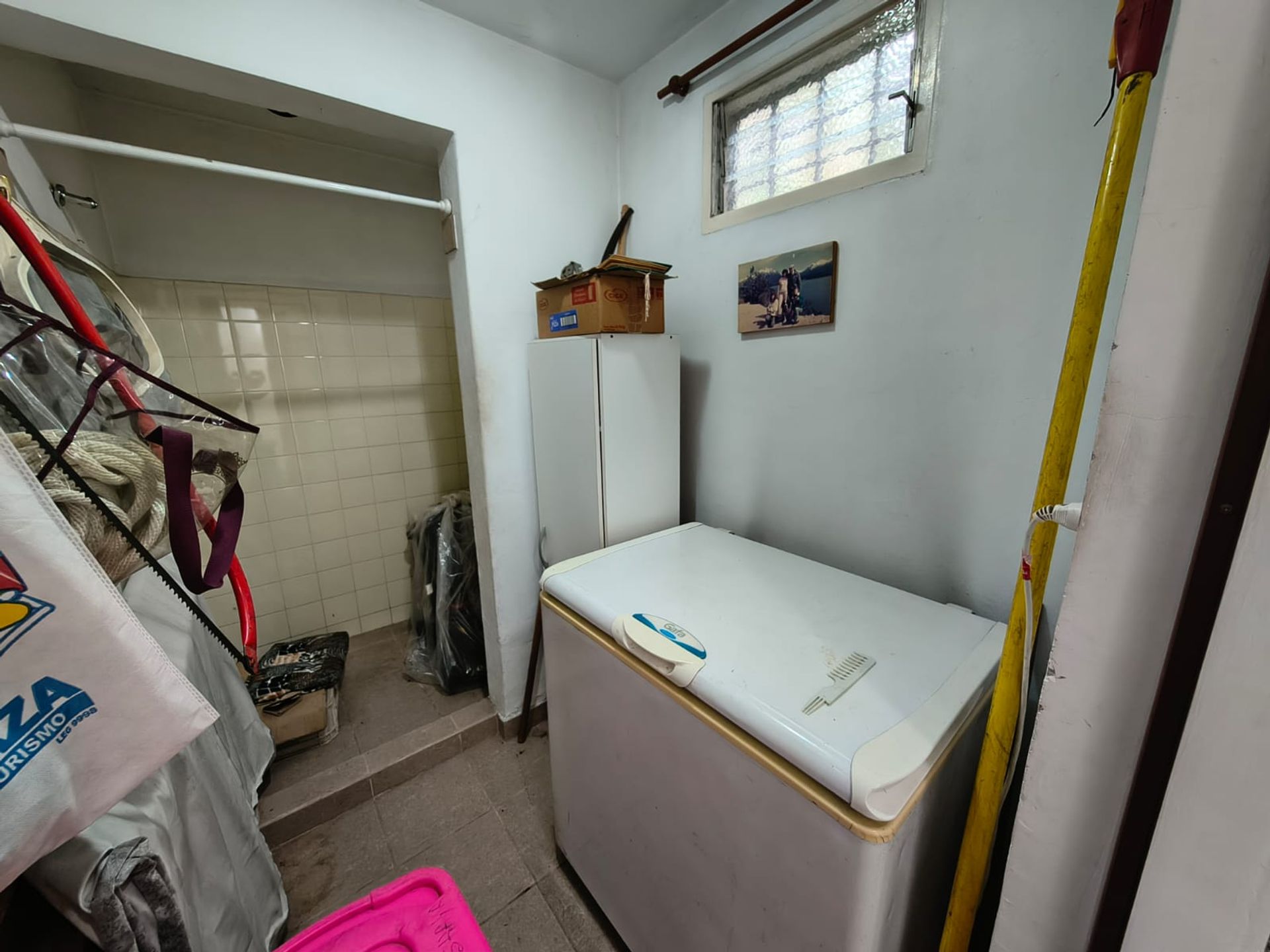
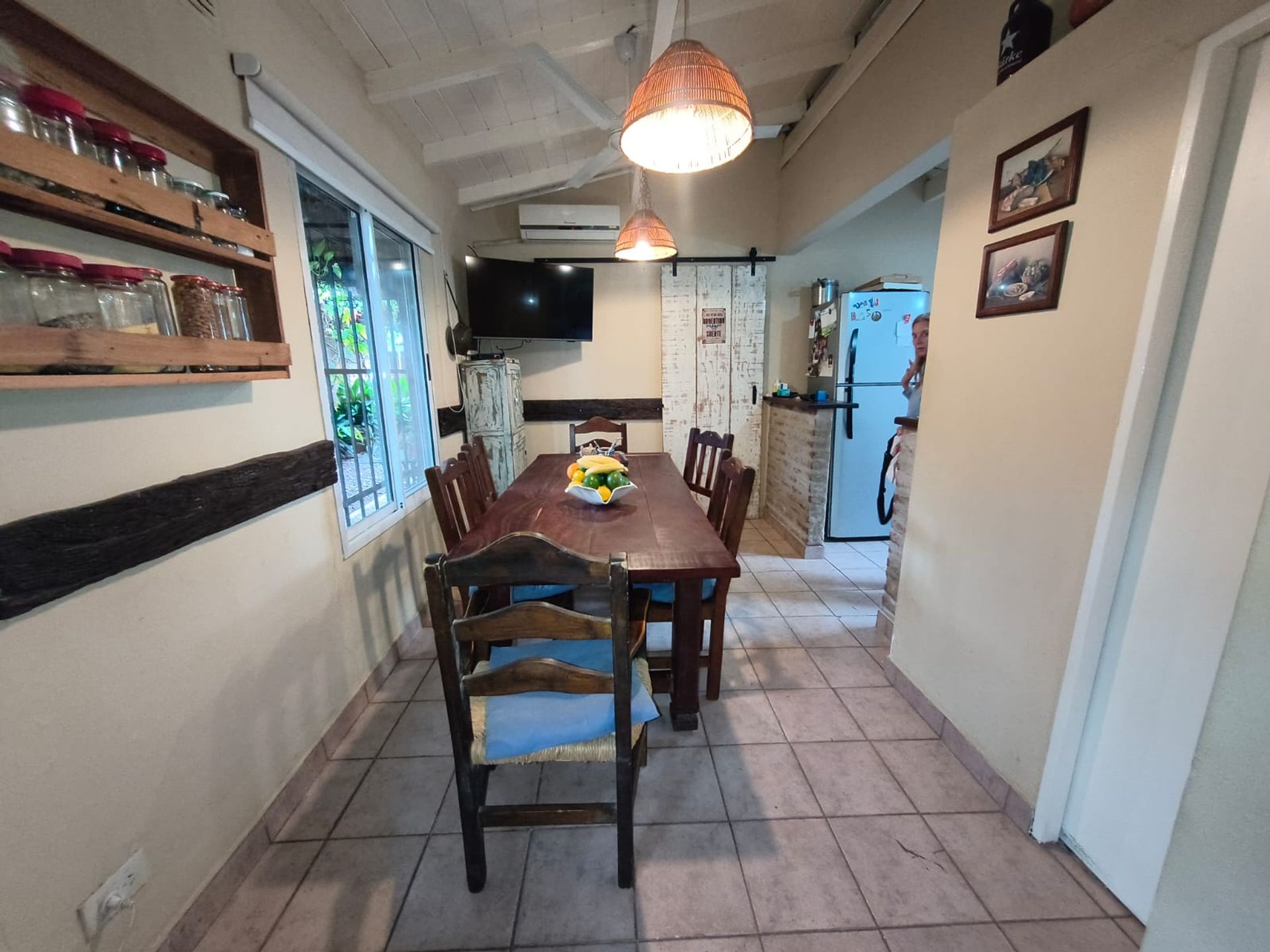
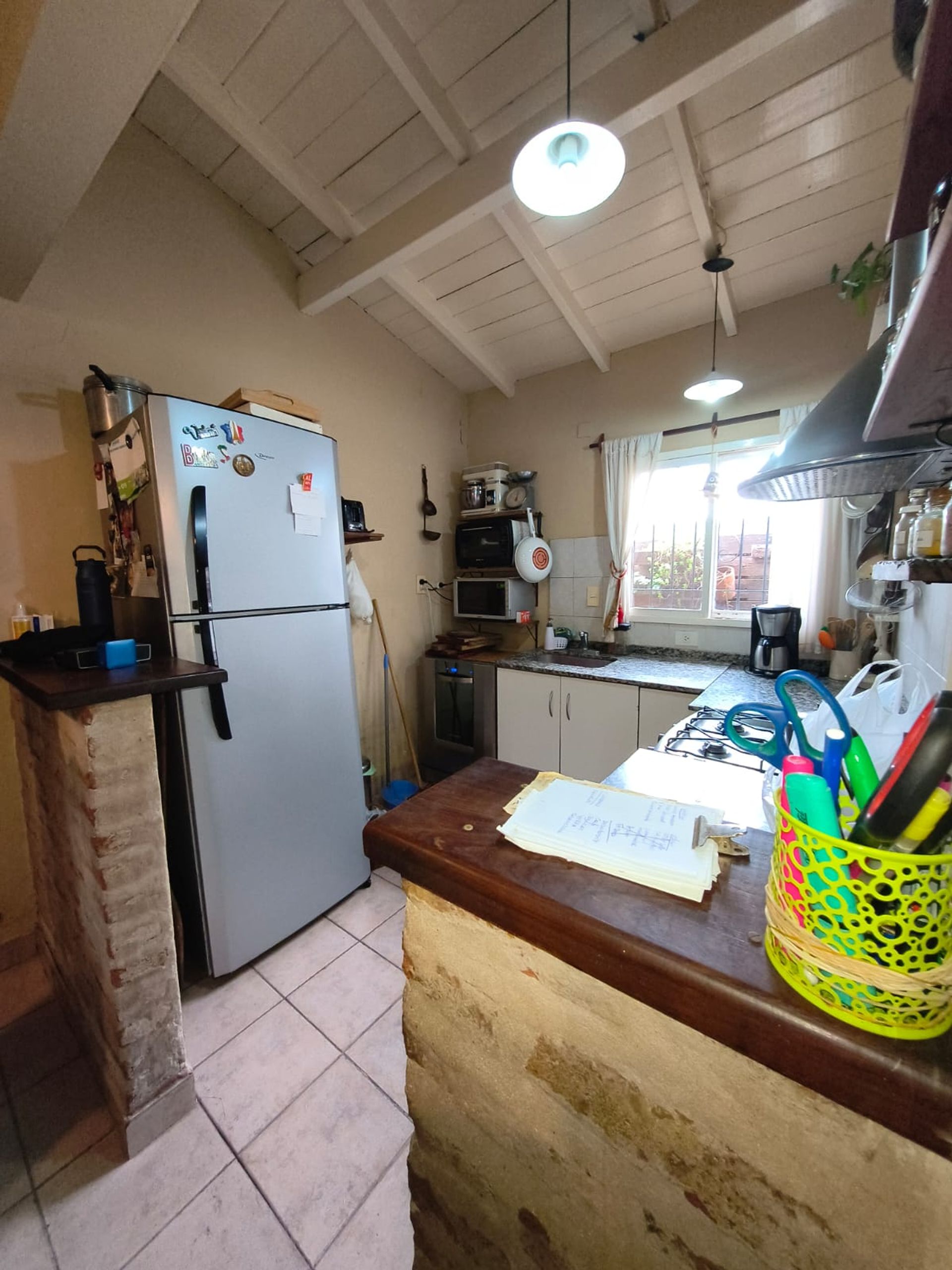
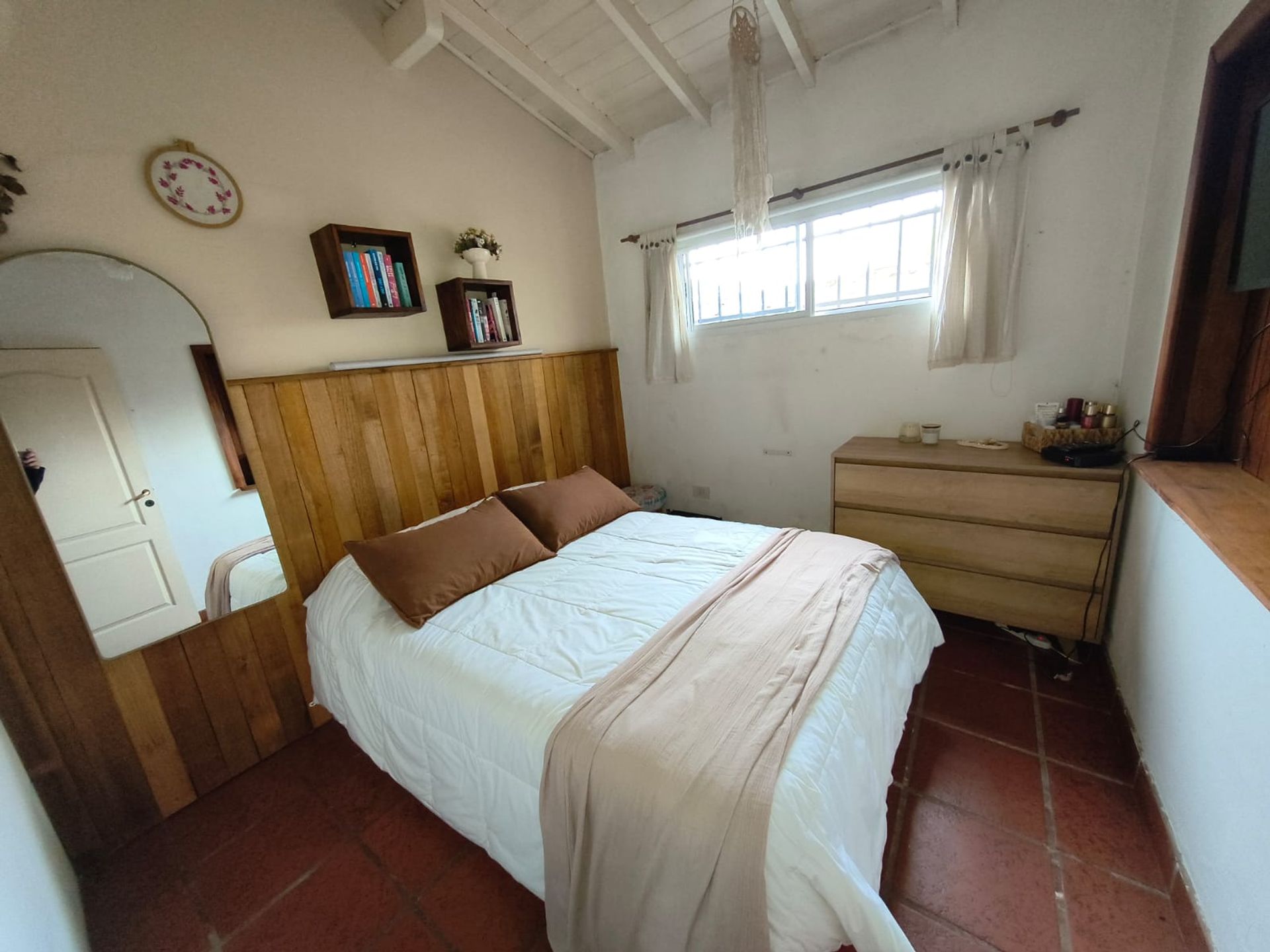
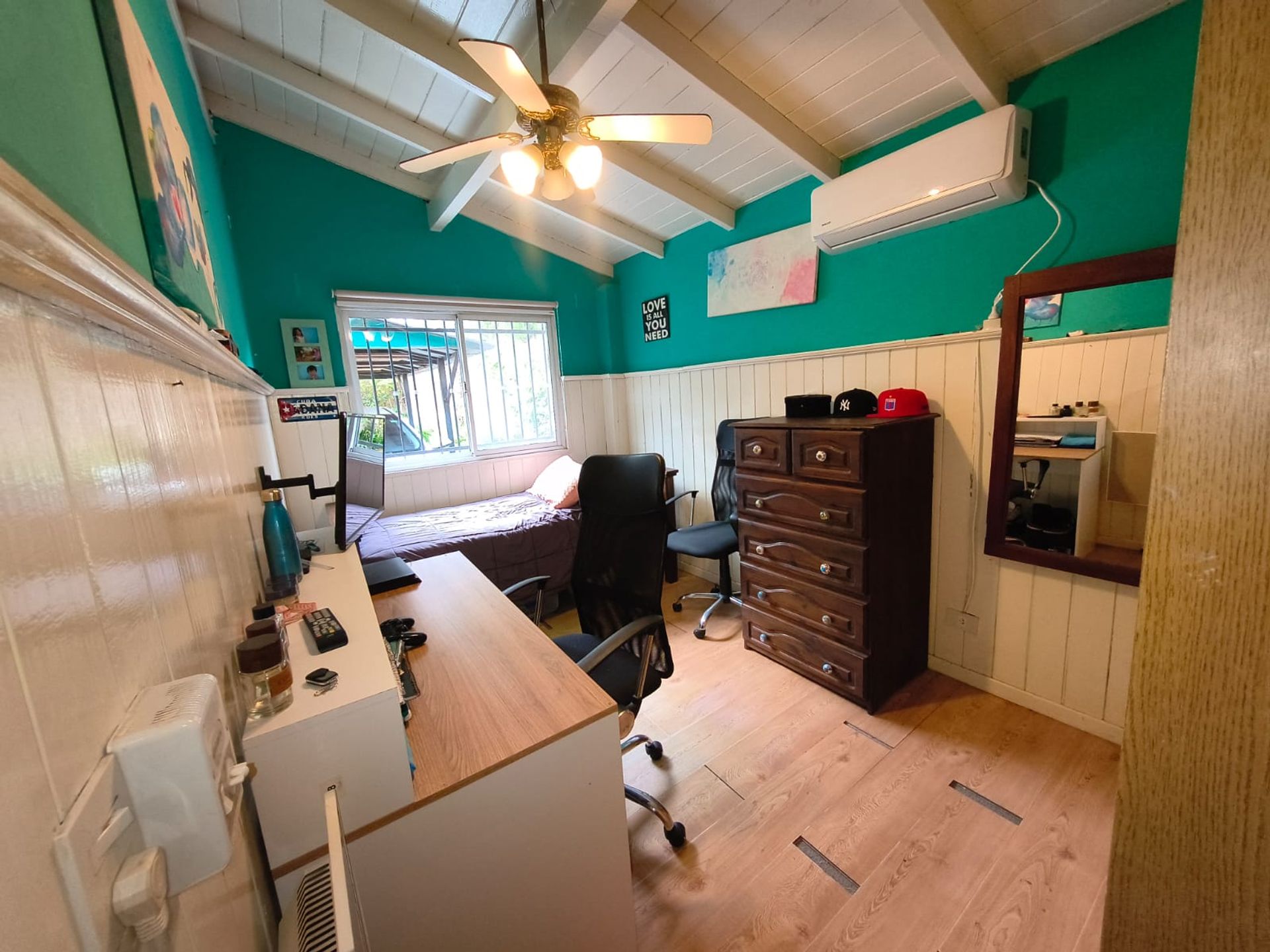
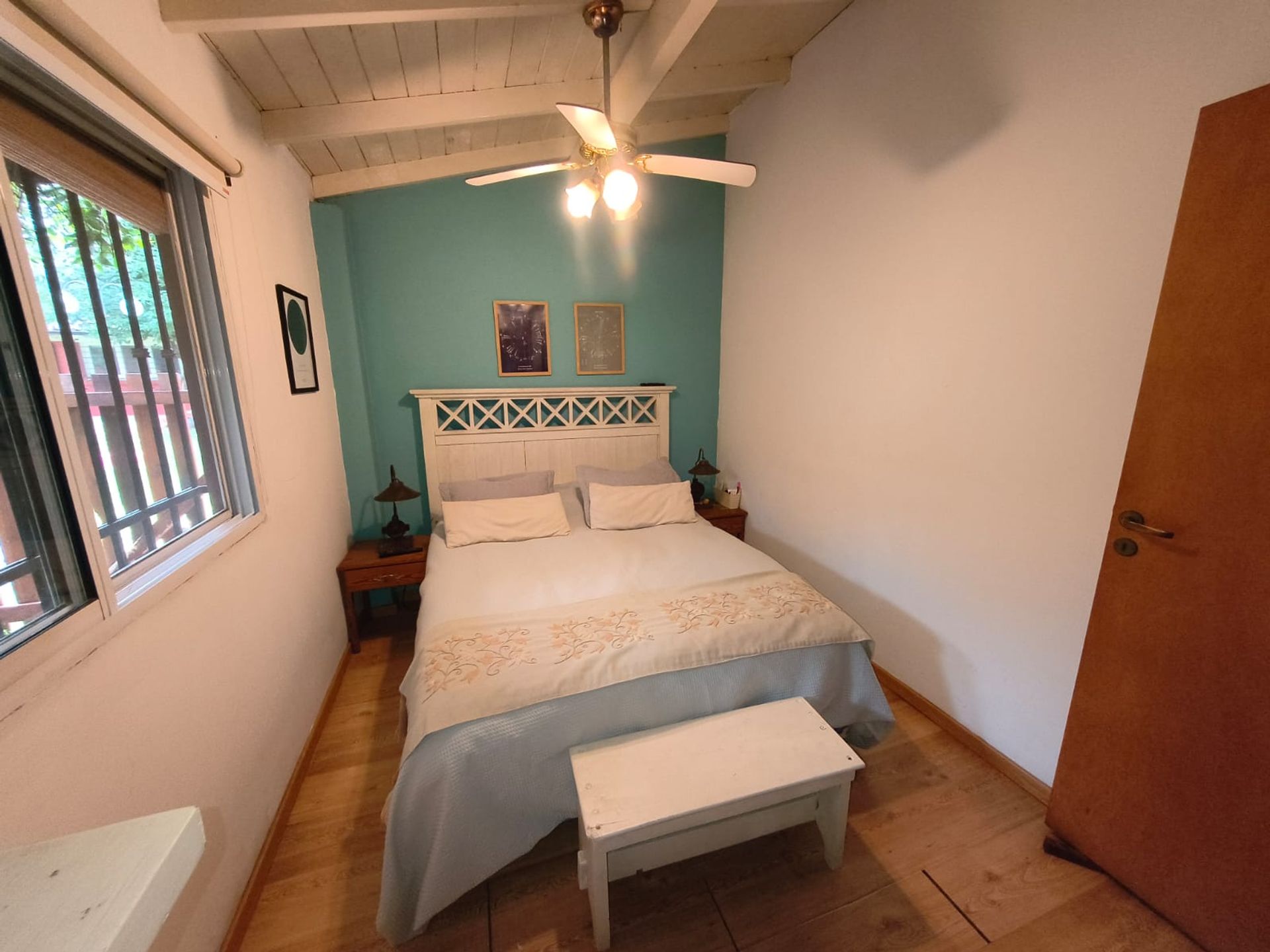
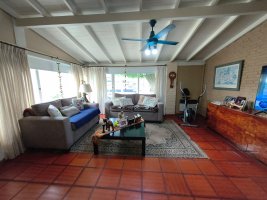
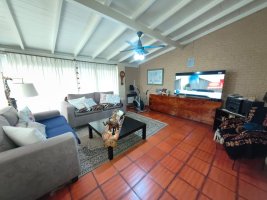
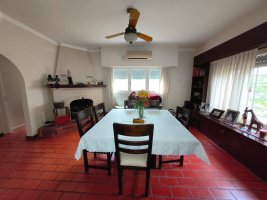
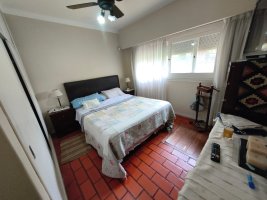
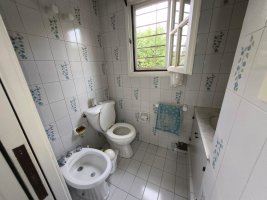
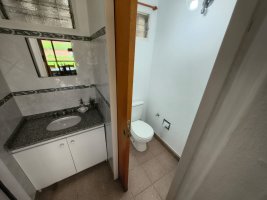
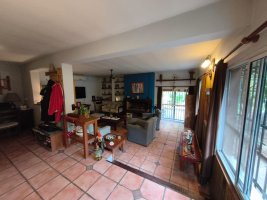
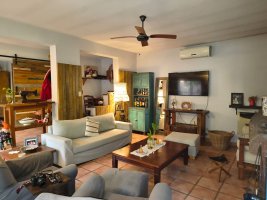
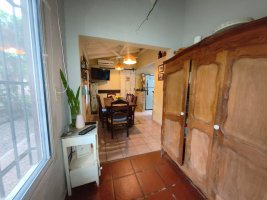
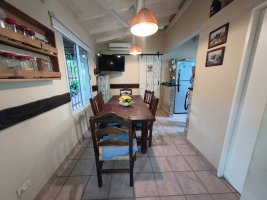
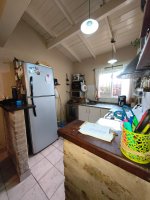
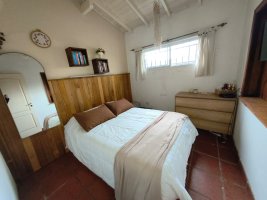
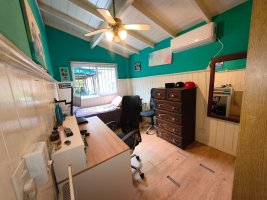
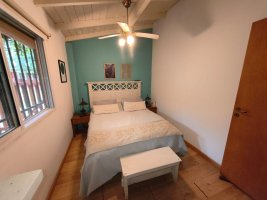
The main house is distributed over two floors. On the ground floor it offers a large, bright living-dining room, a large main bedroom, a good-sized full bathroom, a kitchen with daily dining area, a laundry room and a storage room. On the upper floor there are two bedrooms, one of them en suite with a private bathroom. All the rooms are very bright and well ventilated.
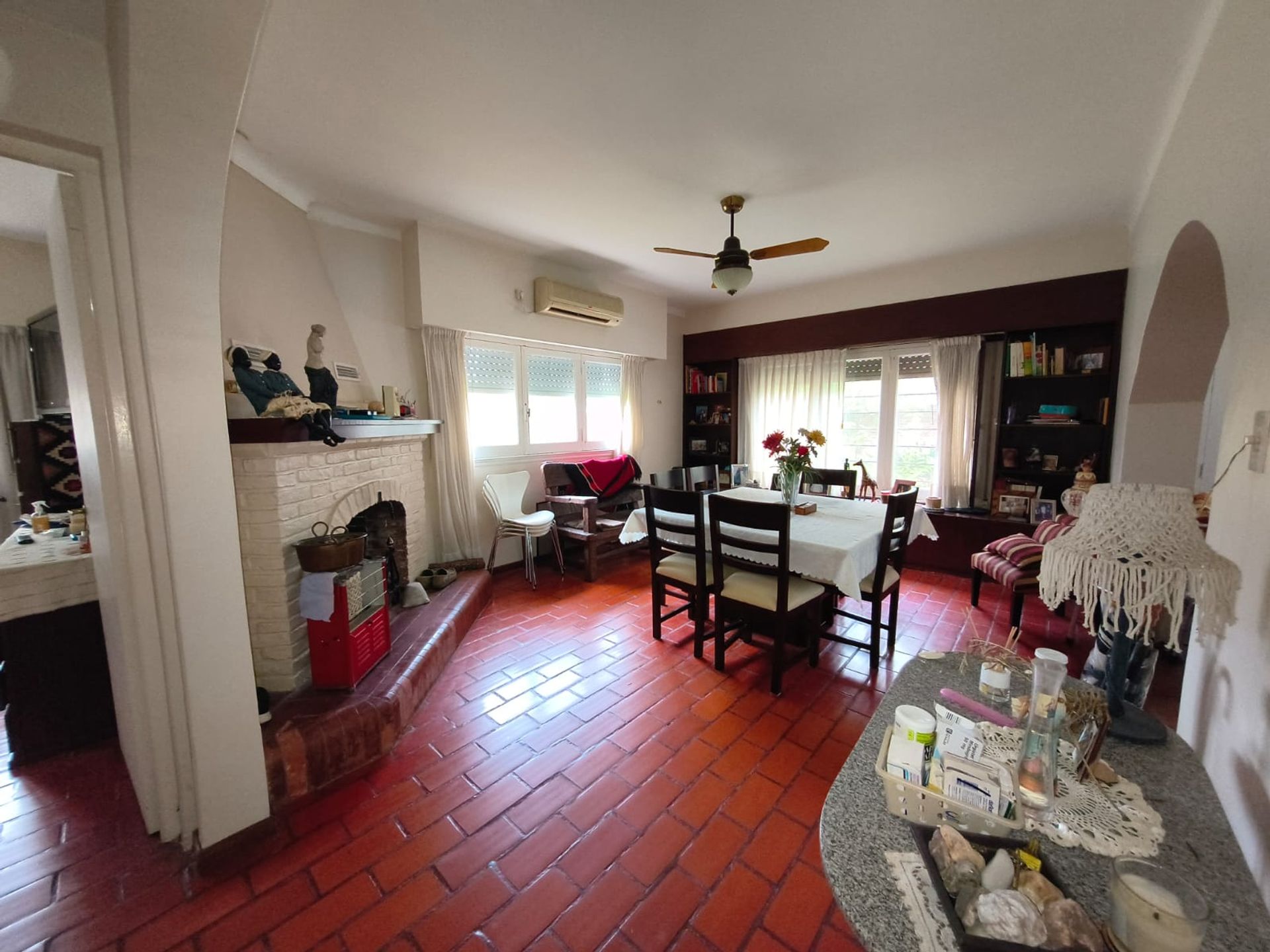
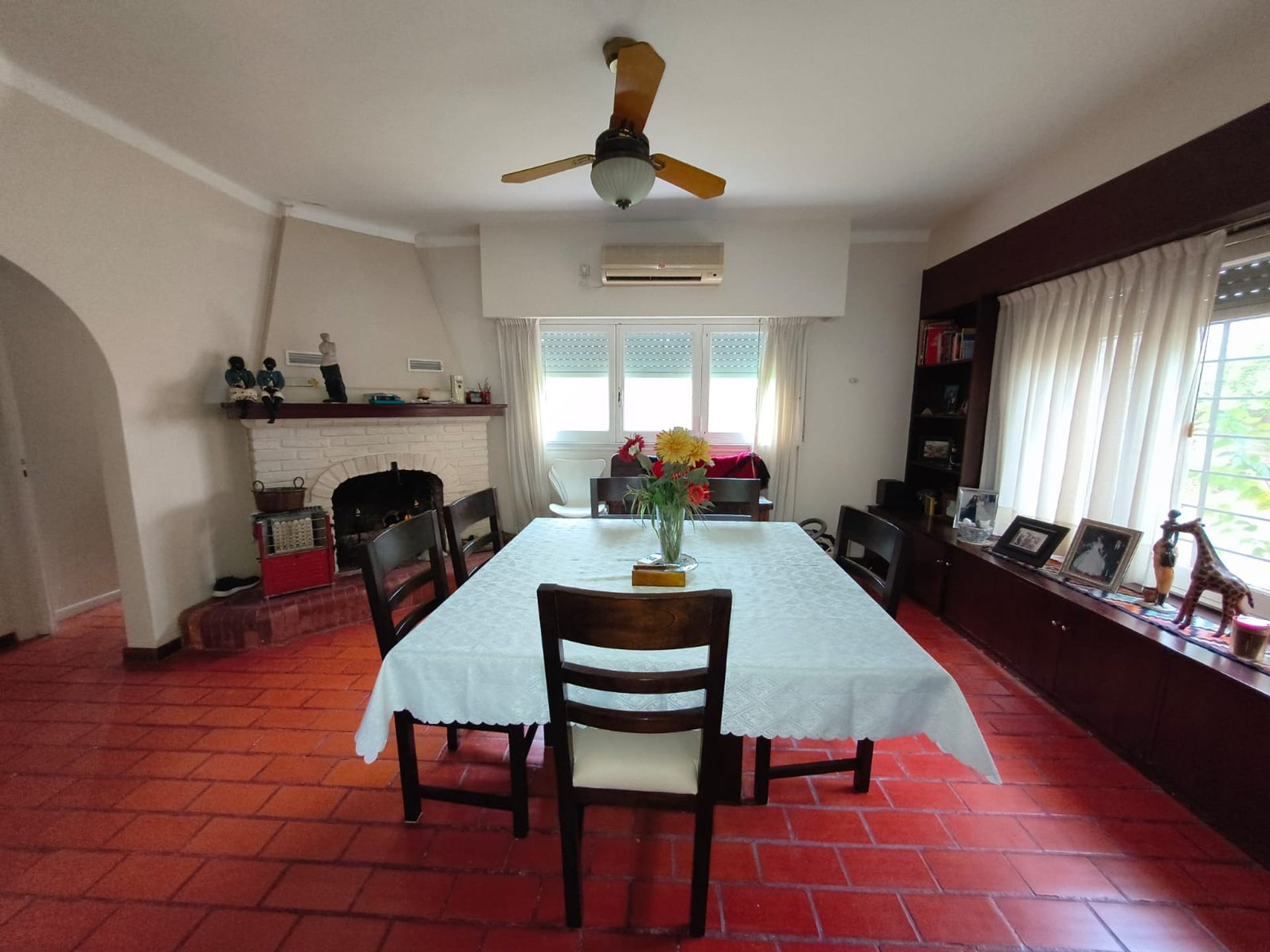
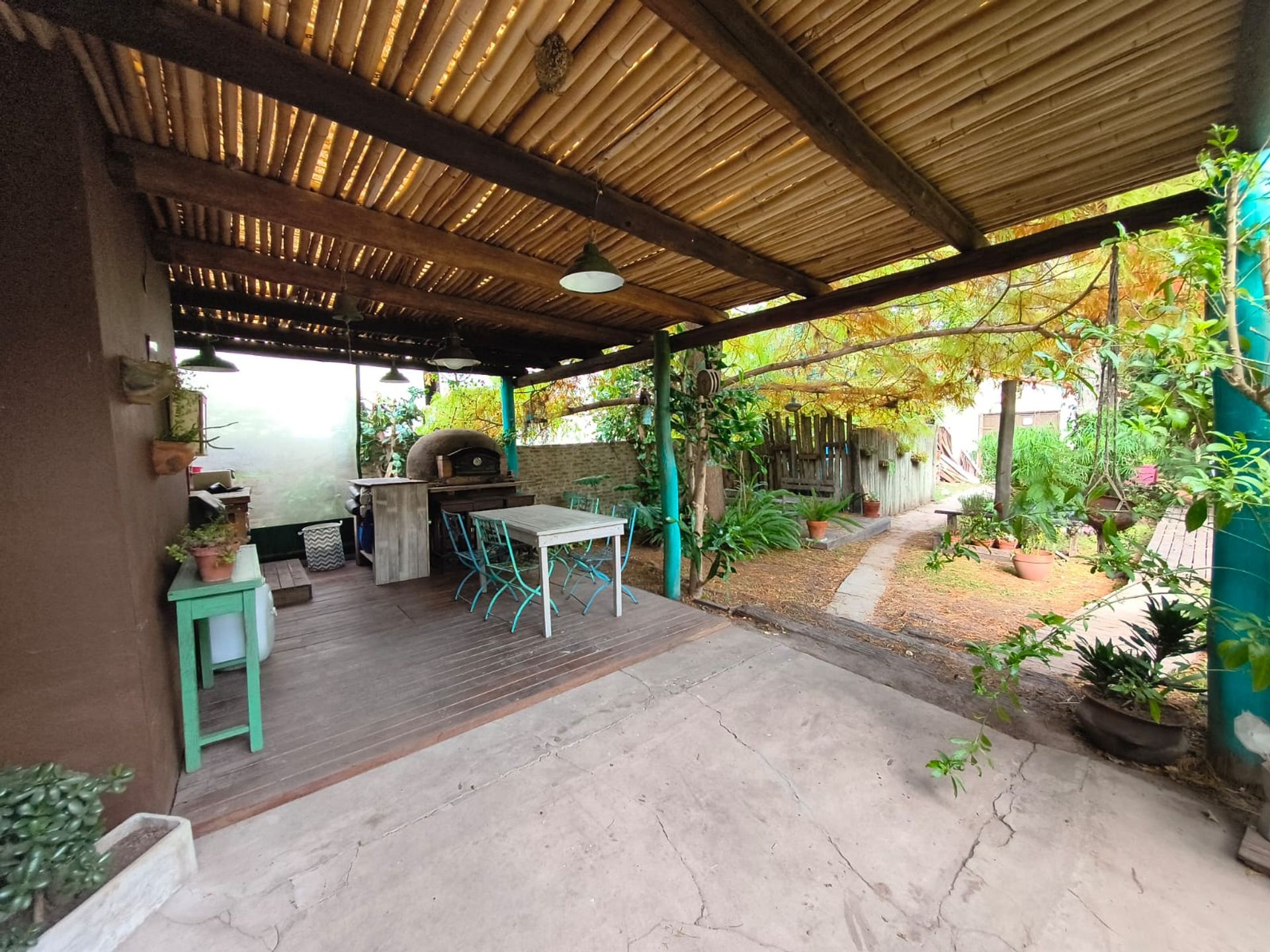
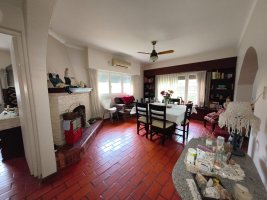
The second house is laid out on a single floor, although it has a concrete slab roof section prepared for a possible second-floor construction. Its layout includes a large living-dining room with a wood-burning fireplace and access to a gallery, a kitchen with daily dining area, three bedrooms, a full bathroom and a gallery with a grill and clay oven. It also has a laundry room and, in the garden area, a large tool room.
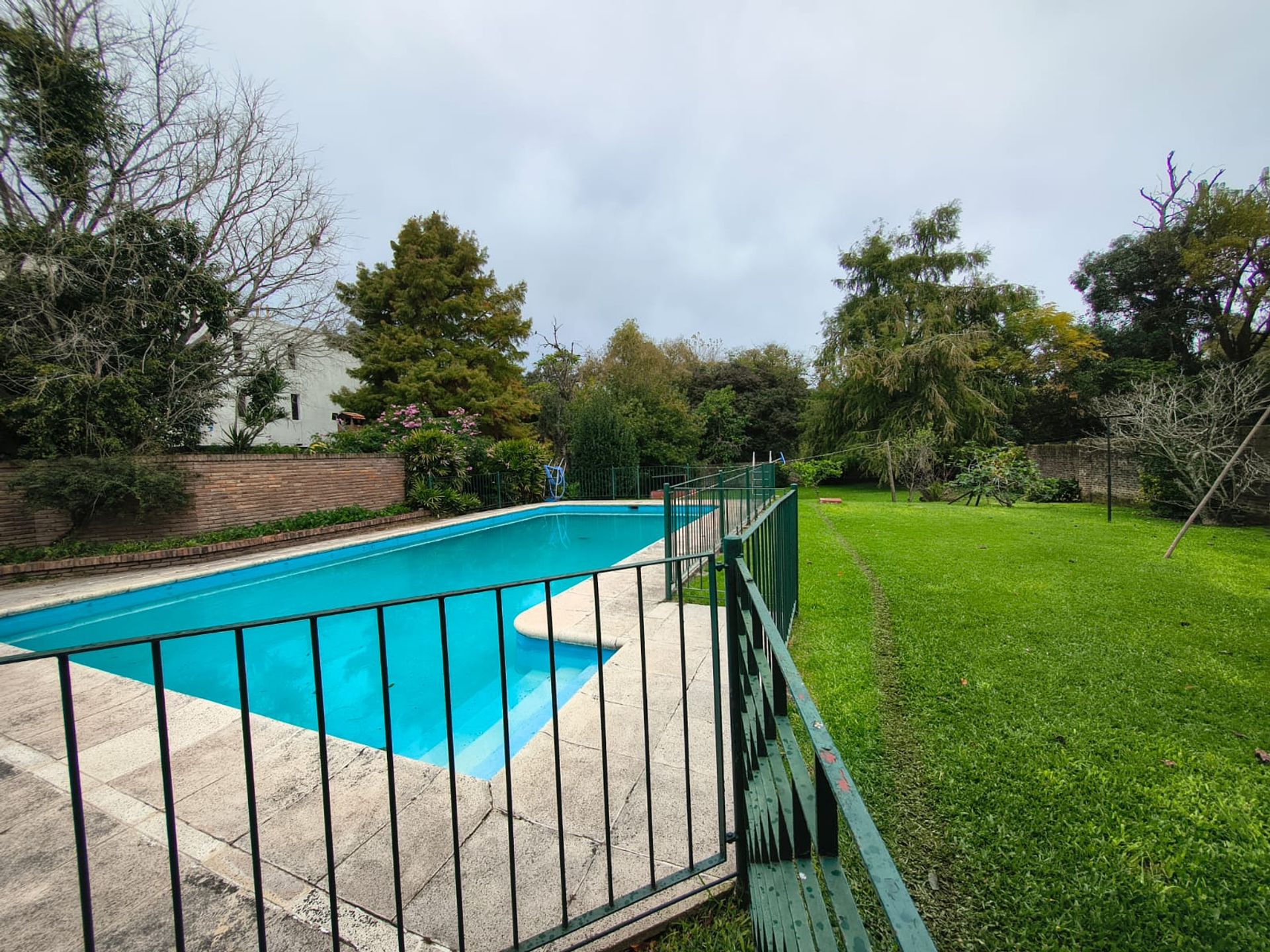
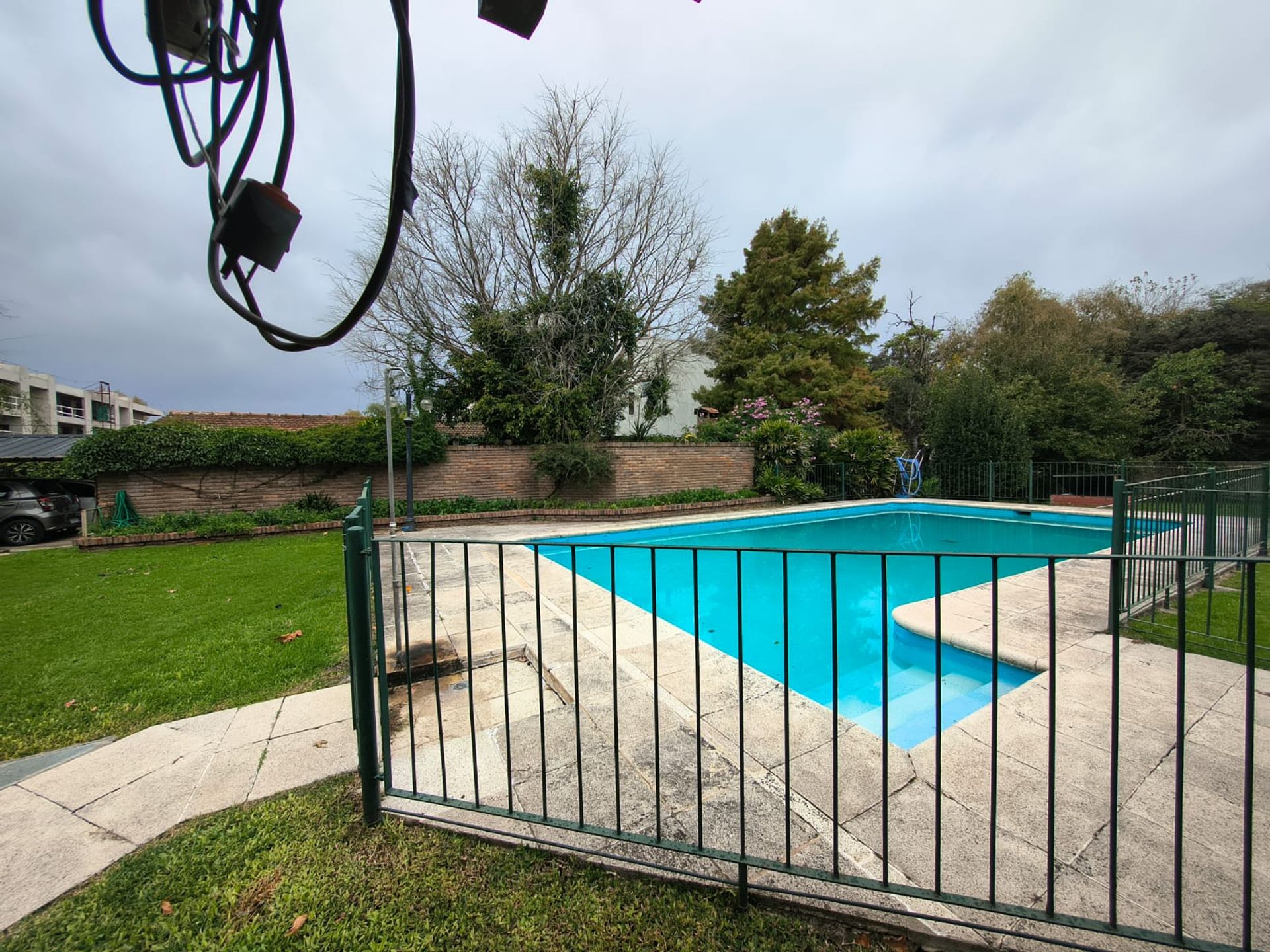
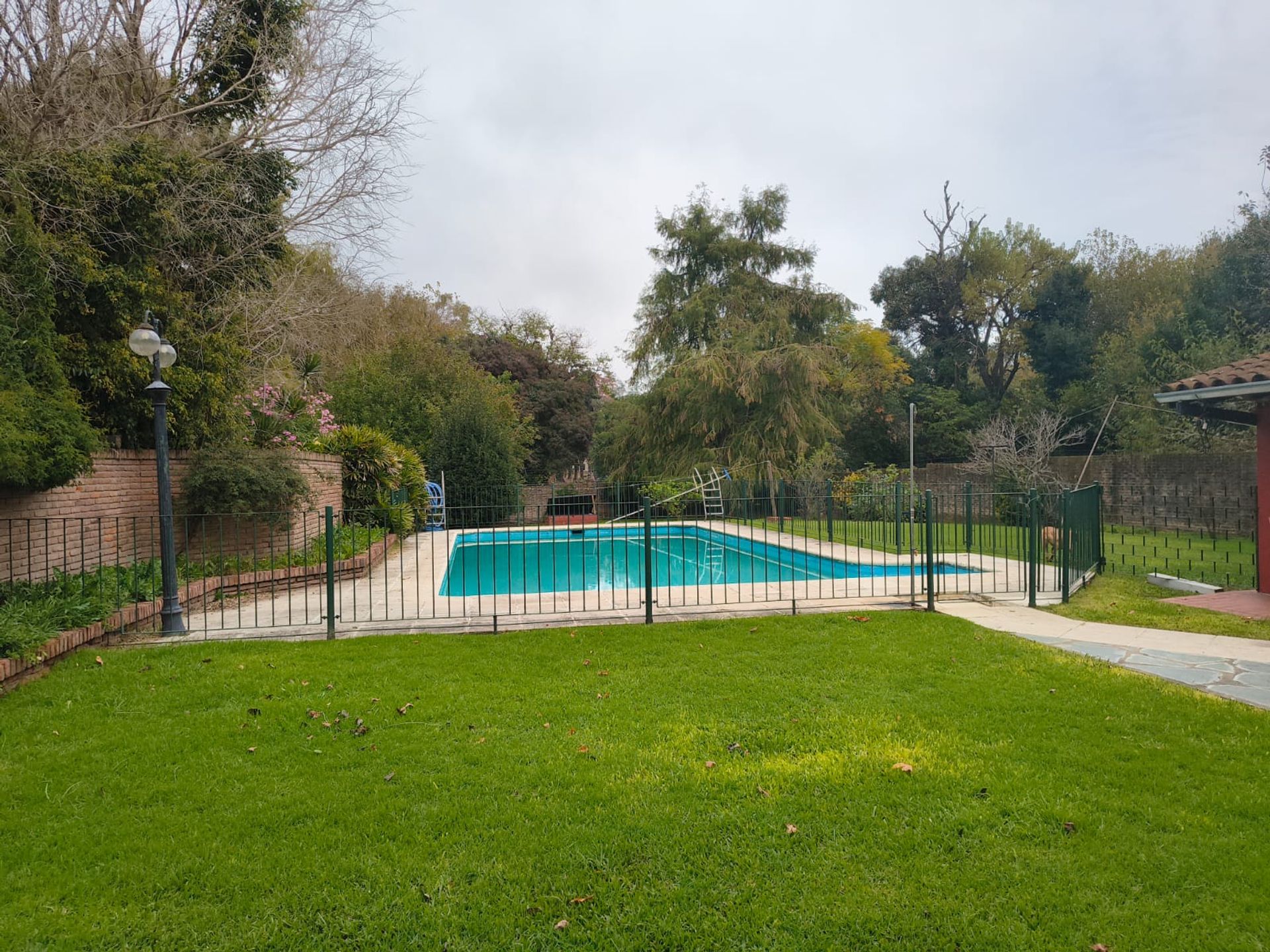
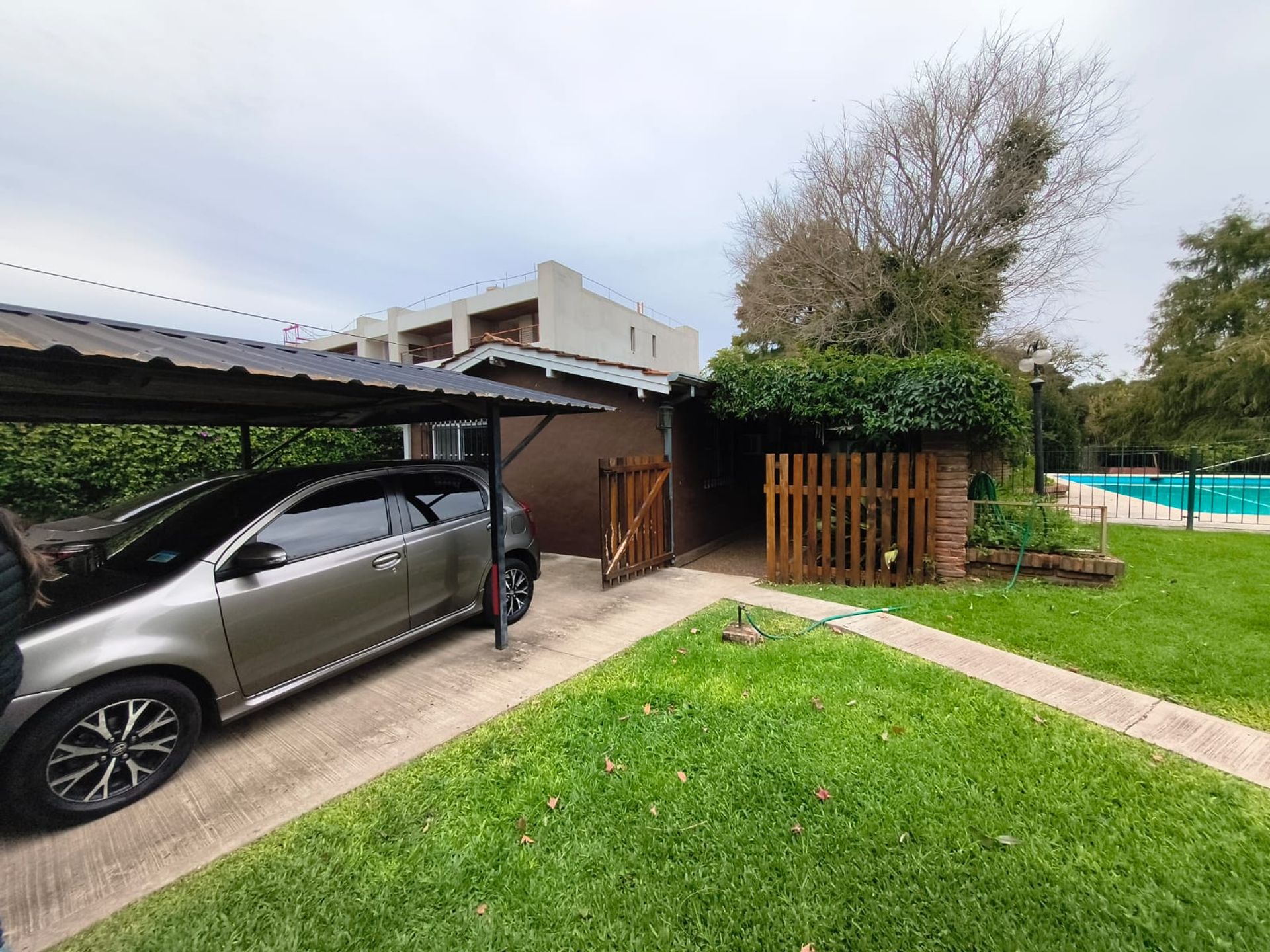
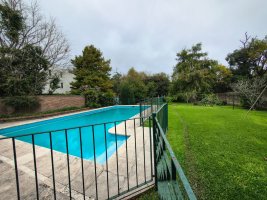
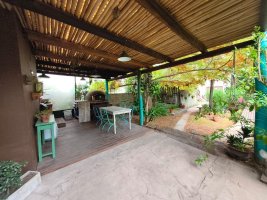
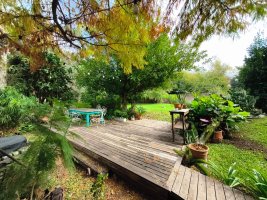
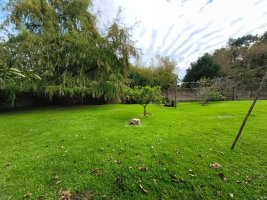
The lot has a large 2324-square-meter garden equipped with sprinkler irrigation. The pool is eighty square meters. The quincho is large and includes a clay oven, a large grill, a full bathroom and a kitchen. There is also a kennel, a semi-covered garage for two cars and an entrance for several vehicles. In turn, the property is equipped with a perimeter electric wire and security cameras.
The main house is distributed over two floors. On the ground floor it offers a large, bright living-dining room, a large main bedroom, a good-sized full bathroom, a kitchen with daily dining area, a laundry room and a storage room. On the upper floor there are two bedrooms, one of them en suite with a private bathroom. All the rooms are very bright and well ventilated.
The second house is laid out on a single floor, although it has a concrete slab roof section prepared for a possible second-floor construction. Its layout includes a large living-dining room with a wood-burning fireplace and access to a gallery, a kitchen with daily dining area, three bedrooms, a full bathroom and a gallery with a grill and clay oven. It also has a laundry room and, in the garden area, a large tool room.
The lot has a large 2324-square-meter garden equipped with sprinkler irrigation. The pool is eighty square meters. The quincho is large and includes a clay oven, a large grill, a full bathroom and a kitchen. There is also a kennel, a semi-covered garage for two cars and an entrance for several vehicles. In turn, the property is equipped with a perimeter electric wire and security cameras.
Location & Surroundings
El Talar · Tigre