The user wants me to translate an Argentine real estate description from Spanish to English. Let me analyze the requirements carefully:
1. Plain text, no markdown
2. Property context:
- Type: Apartment
- Operation: For Rent
- 2 bedroom(s) from 3 total rooms/ambientes. Use '2-bedroom apartment' when referring to size.
3. Glossary:
- pileta = pool
- cochera = parking/garage
- baulera = storage locker
- PH = penthouse
- expensas = HOA fees
- CABA = City of Buenos Aires
- con renta = income-producing
4. Translate only what is written. Do not add or infer missing data.
Original: "Se alquila departamento de tres ambientes con dos dormitorios en la exclusiva isla de Olivos, Vicente López. La propiedad se encuentra sobre la calle Comandante Rosales, a tan solo dos cuadras de Avenida Libertador."
Translation: "2-bedroom apartment for rent in the exclusive Olivos island, Vicente López. The property is located on Comandante Rosales street, just two blocks from Avenida Libertador."
Wait, the instruction says "Use '2-bedroom apartment' when referring to size." The original says "departamento de tres ambientes con dos dormitorios" - so it's a 3-room apartment with 2 bedrooms. But the context says to use '2-bedroom apartment' when referring to size. So I should translate it as "2-bedroom apartment for rent..." or "For rent: 2-bedroom apartment..."
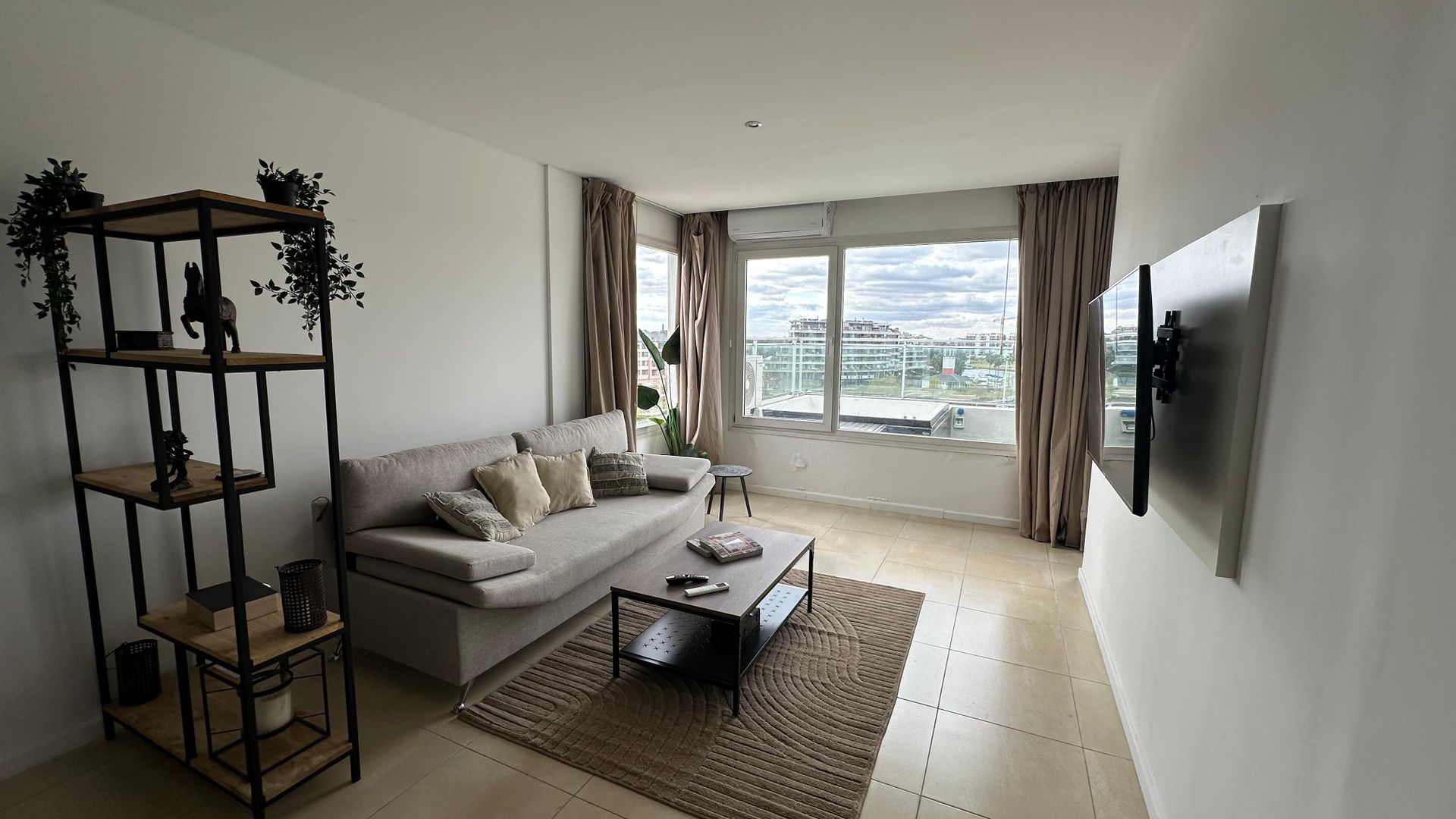
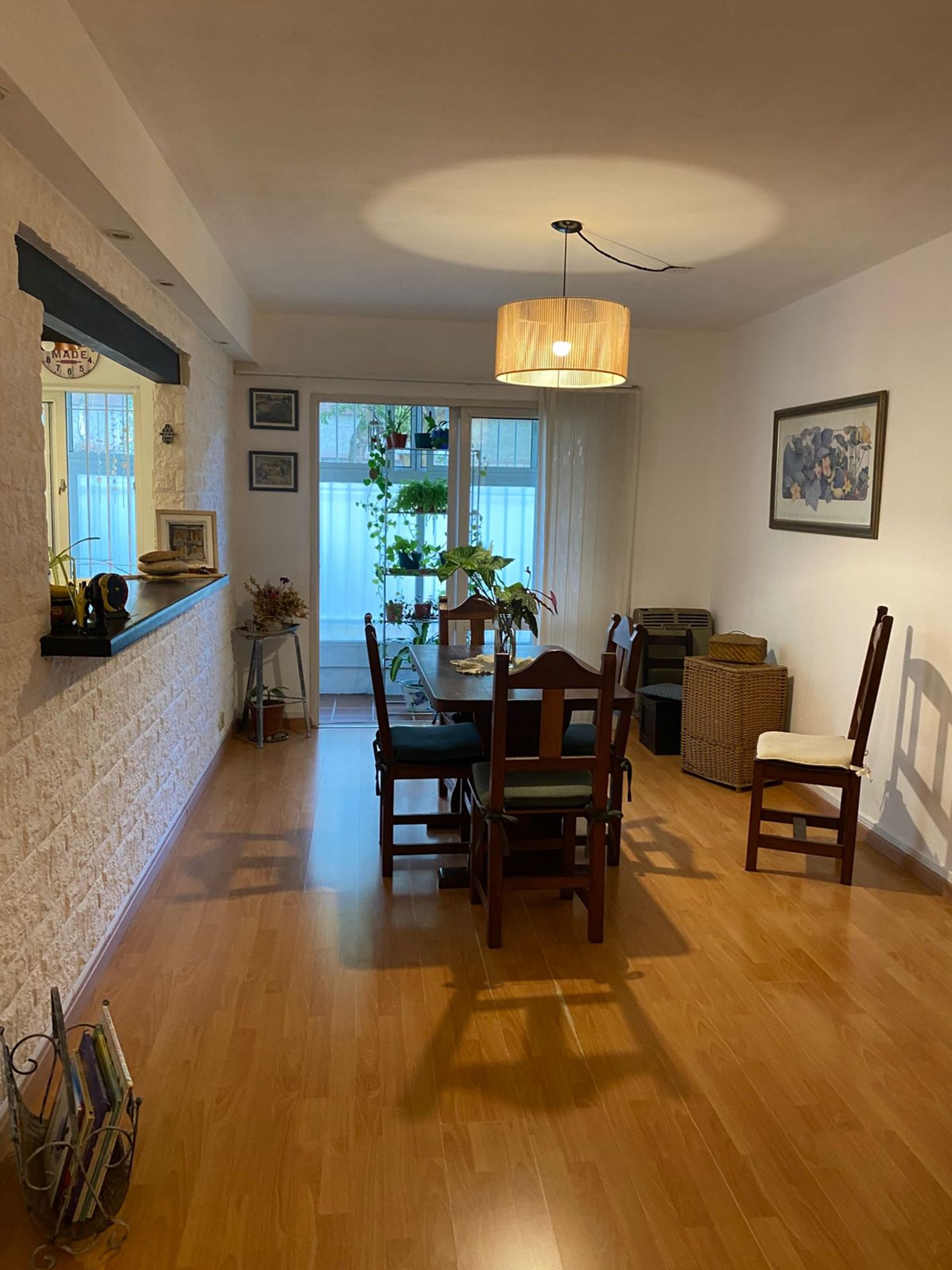
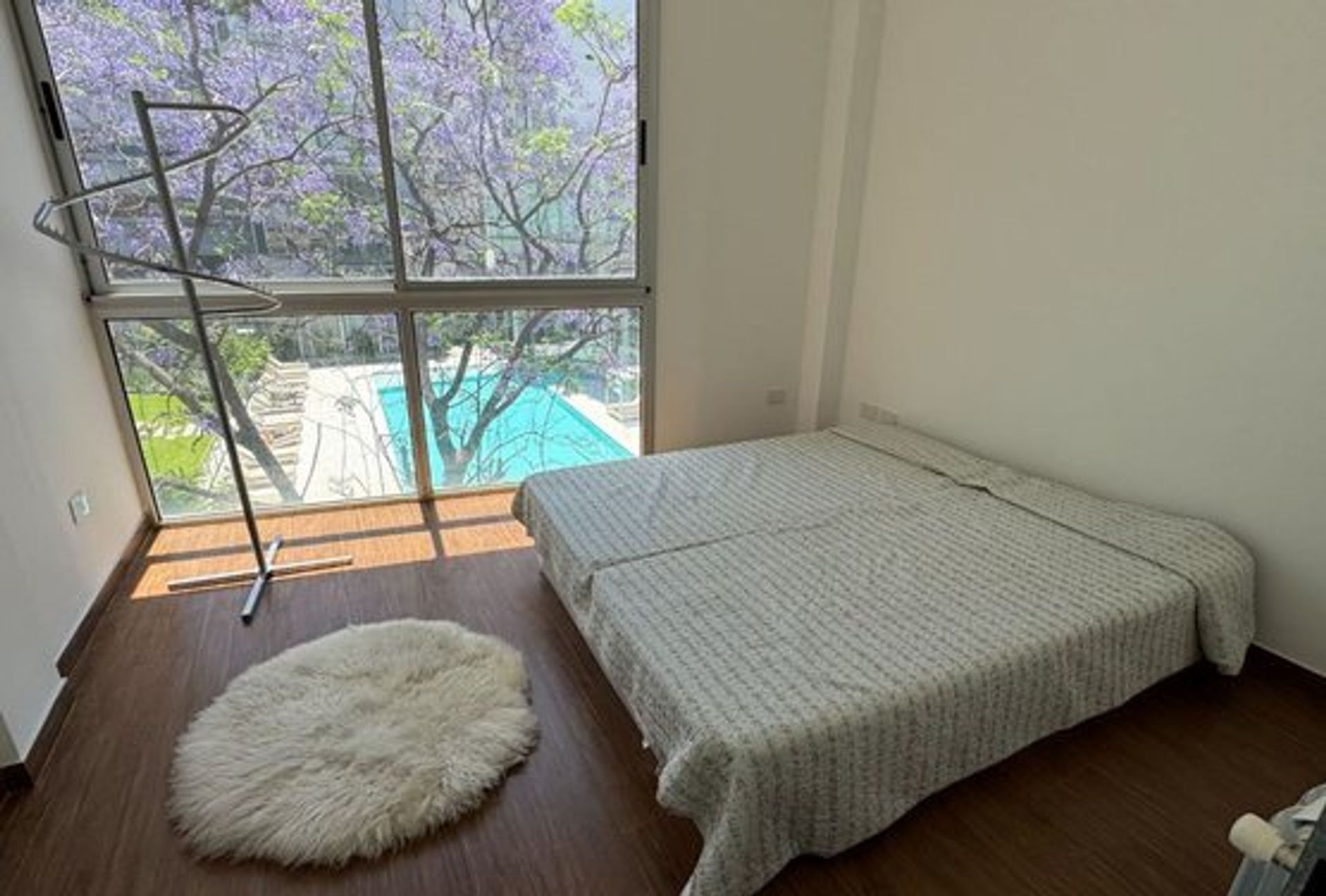
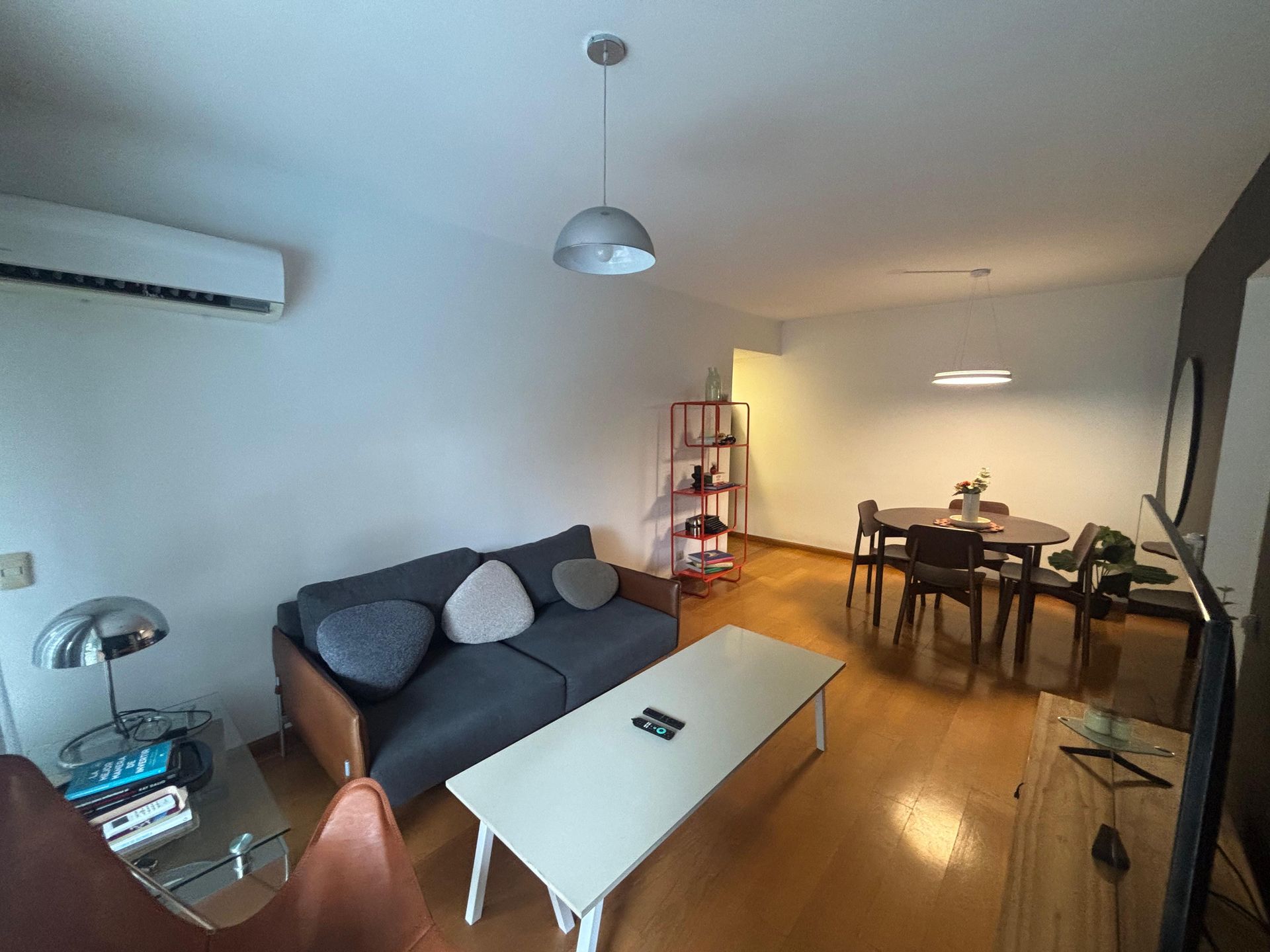
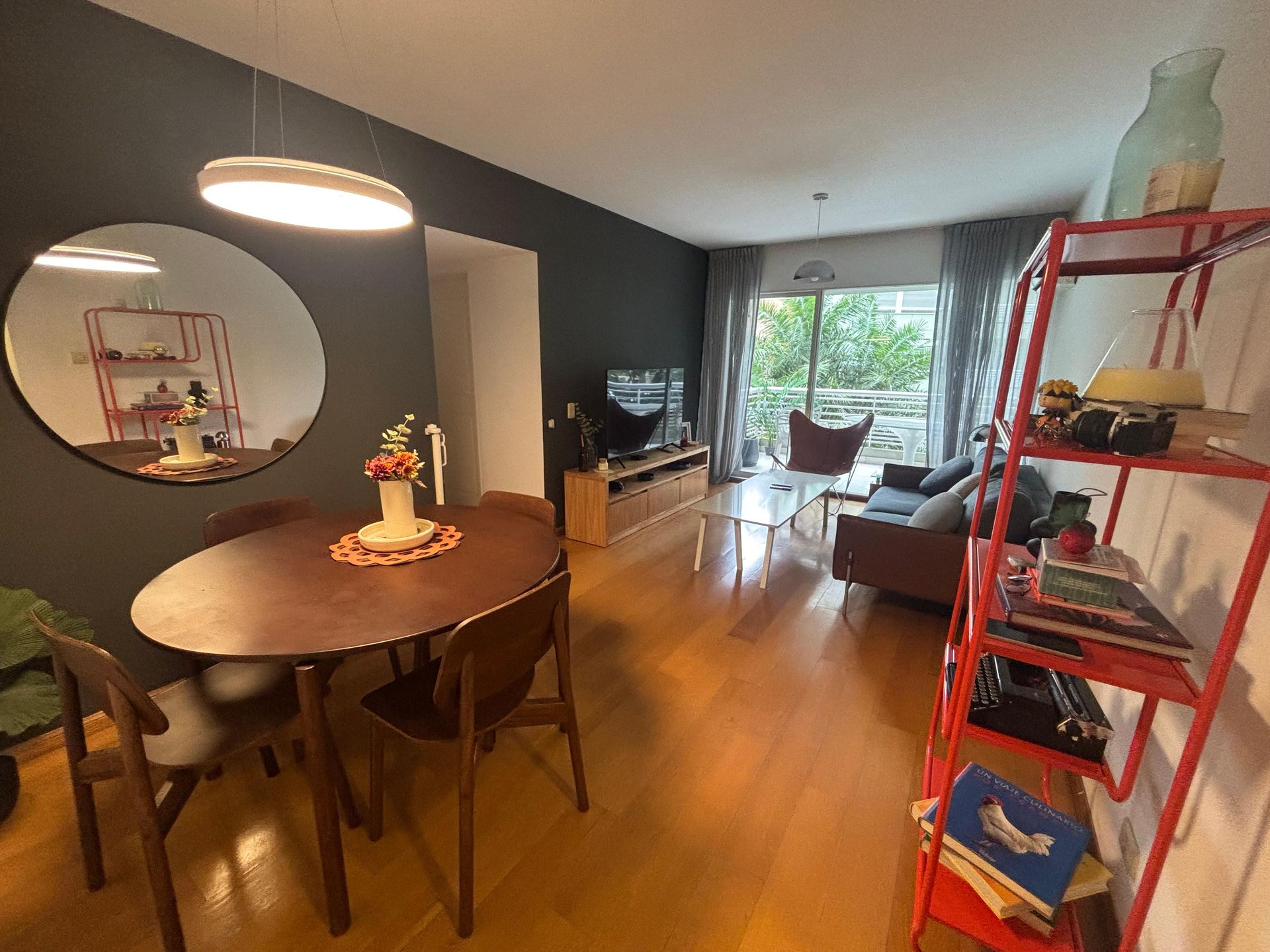
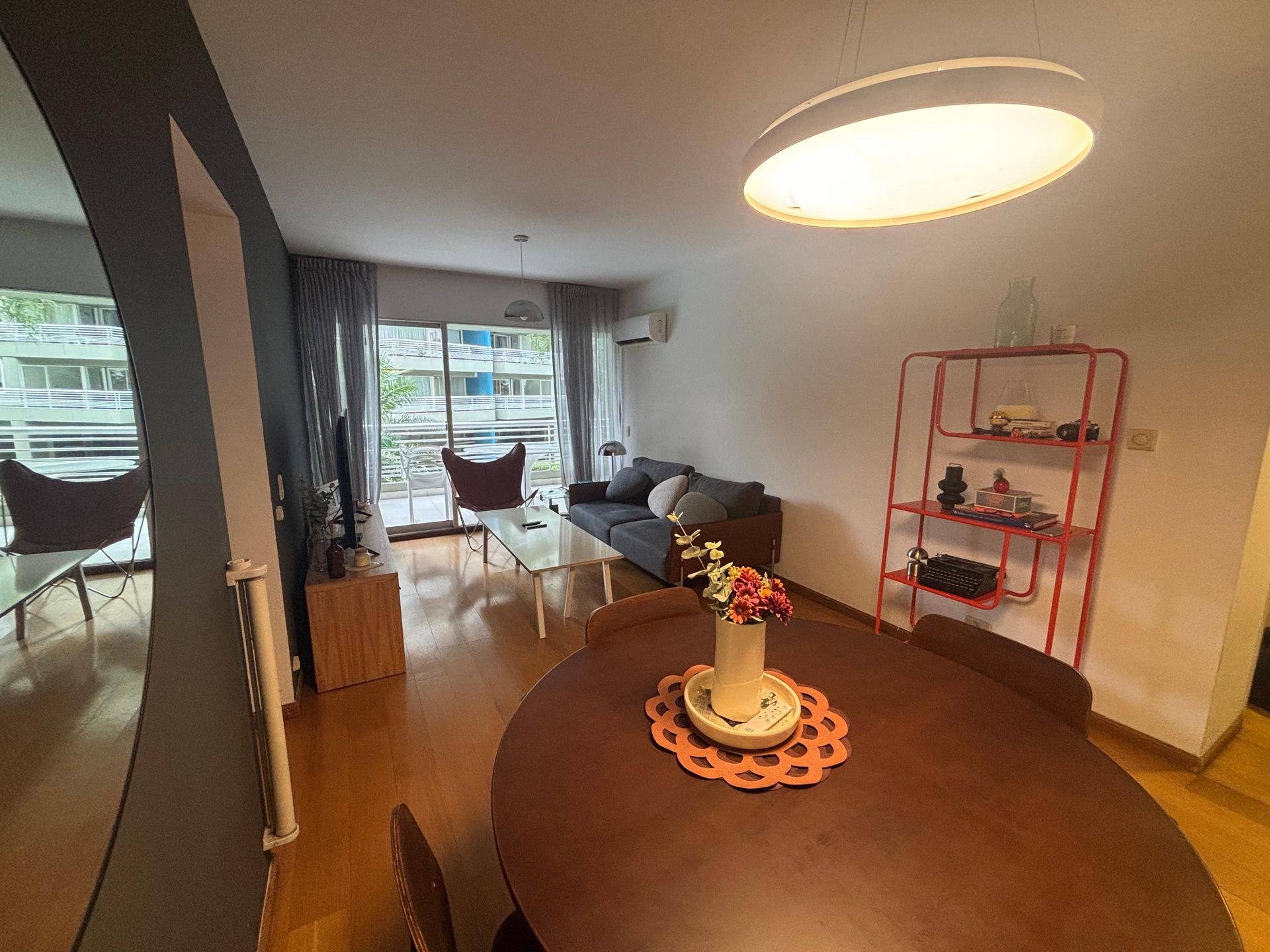
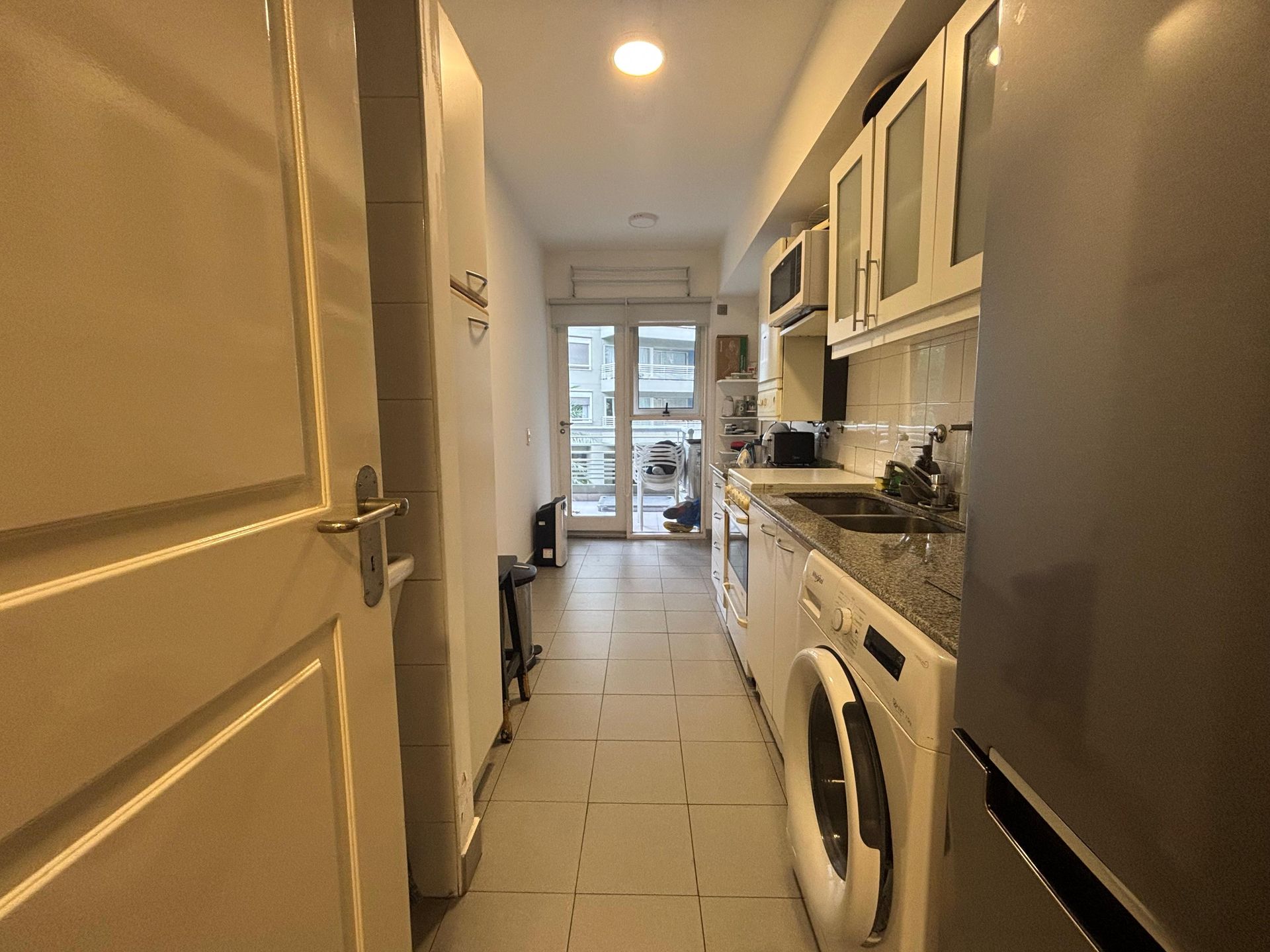
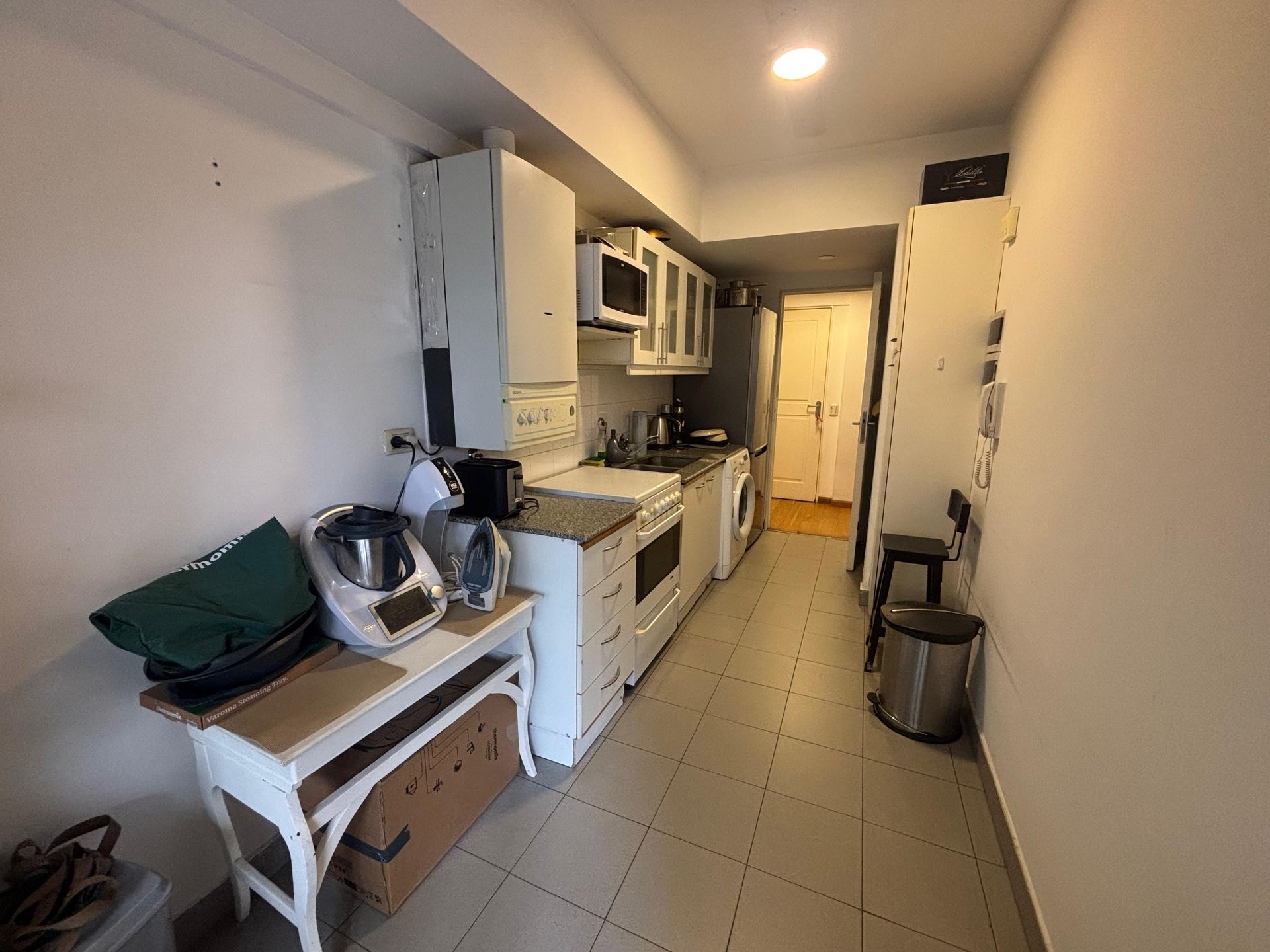
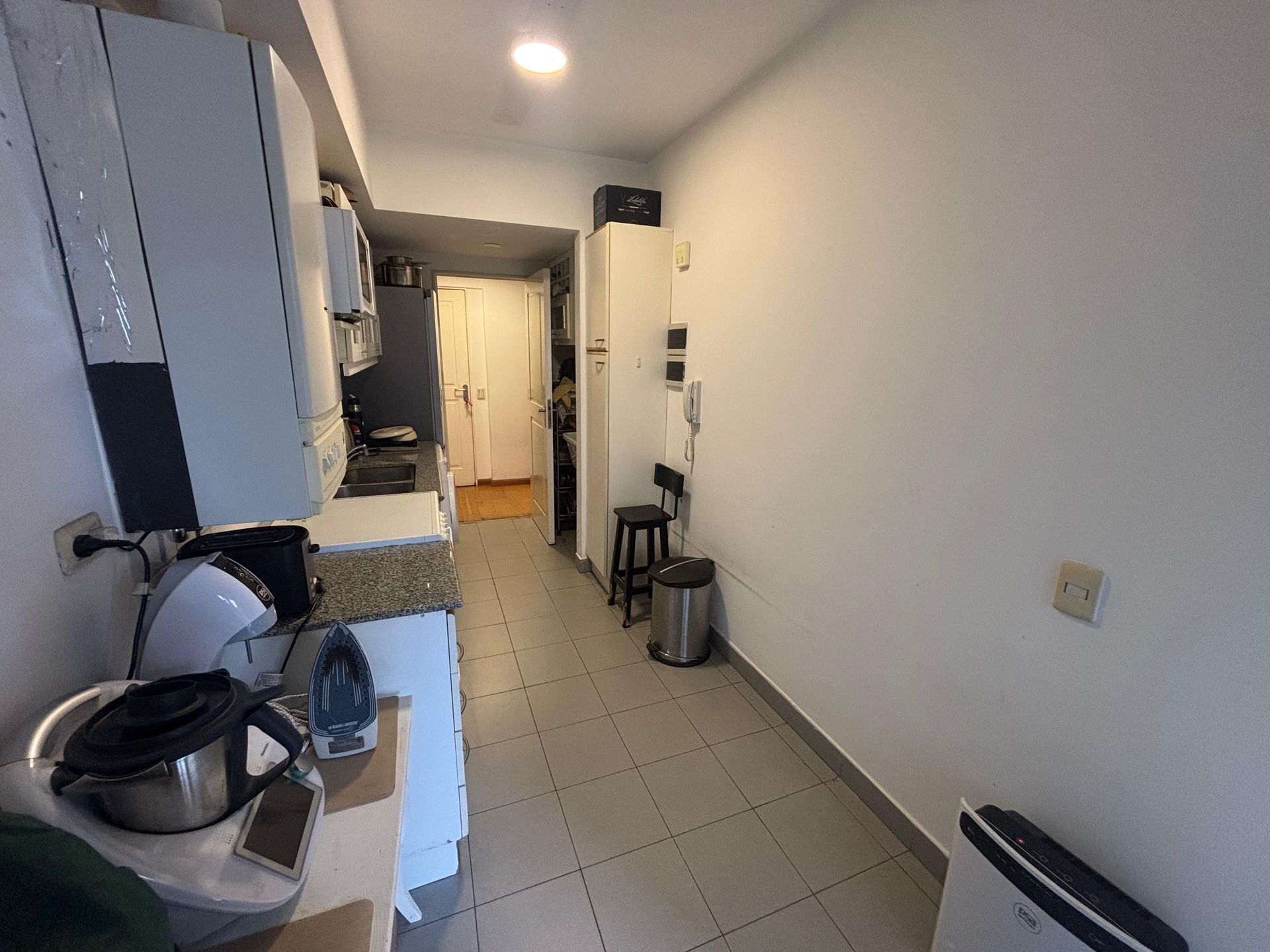
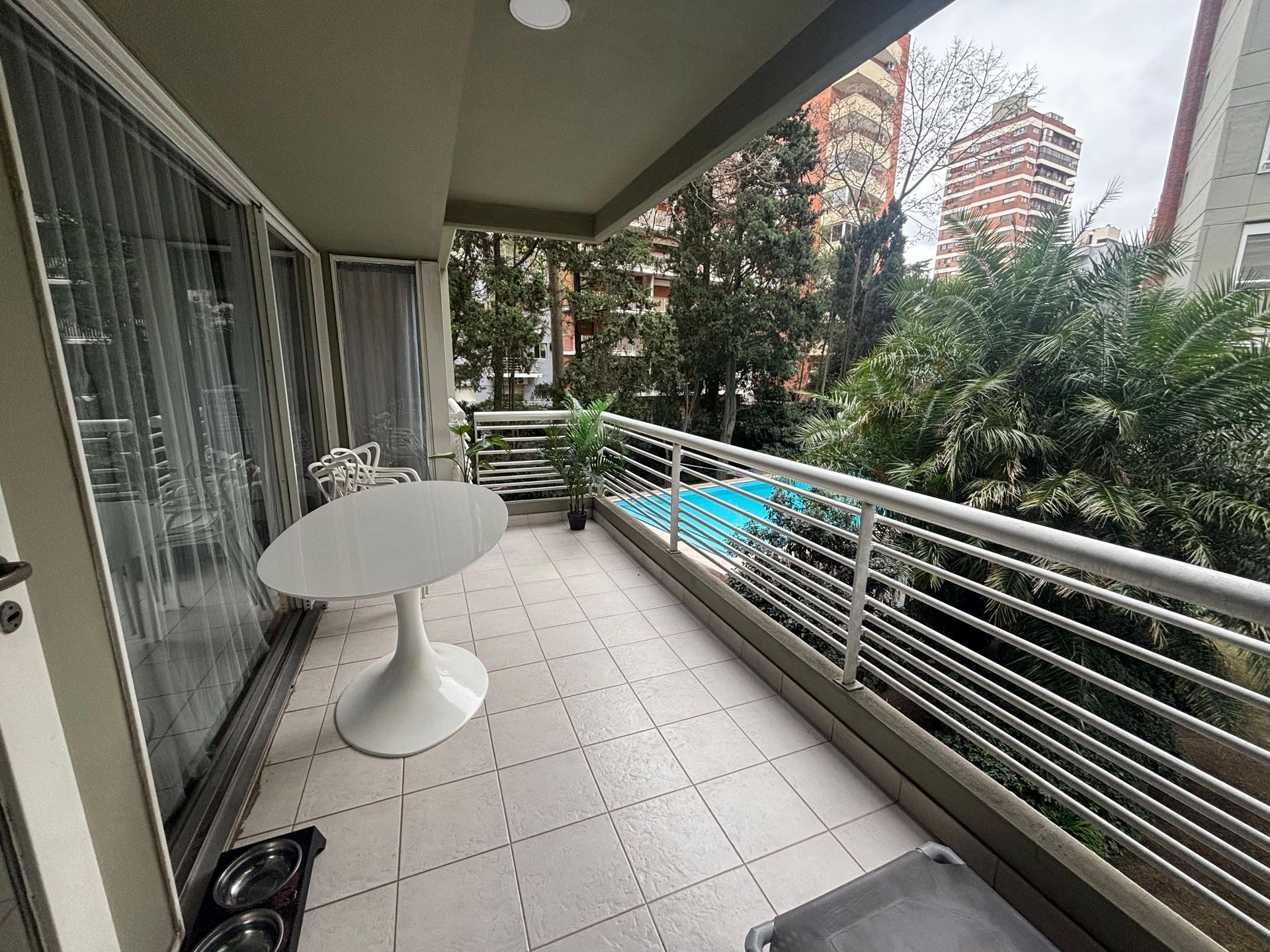
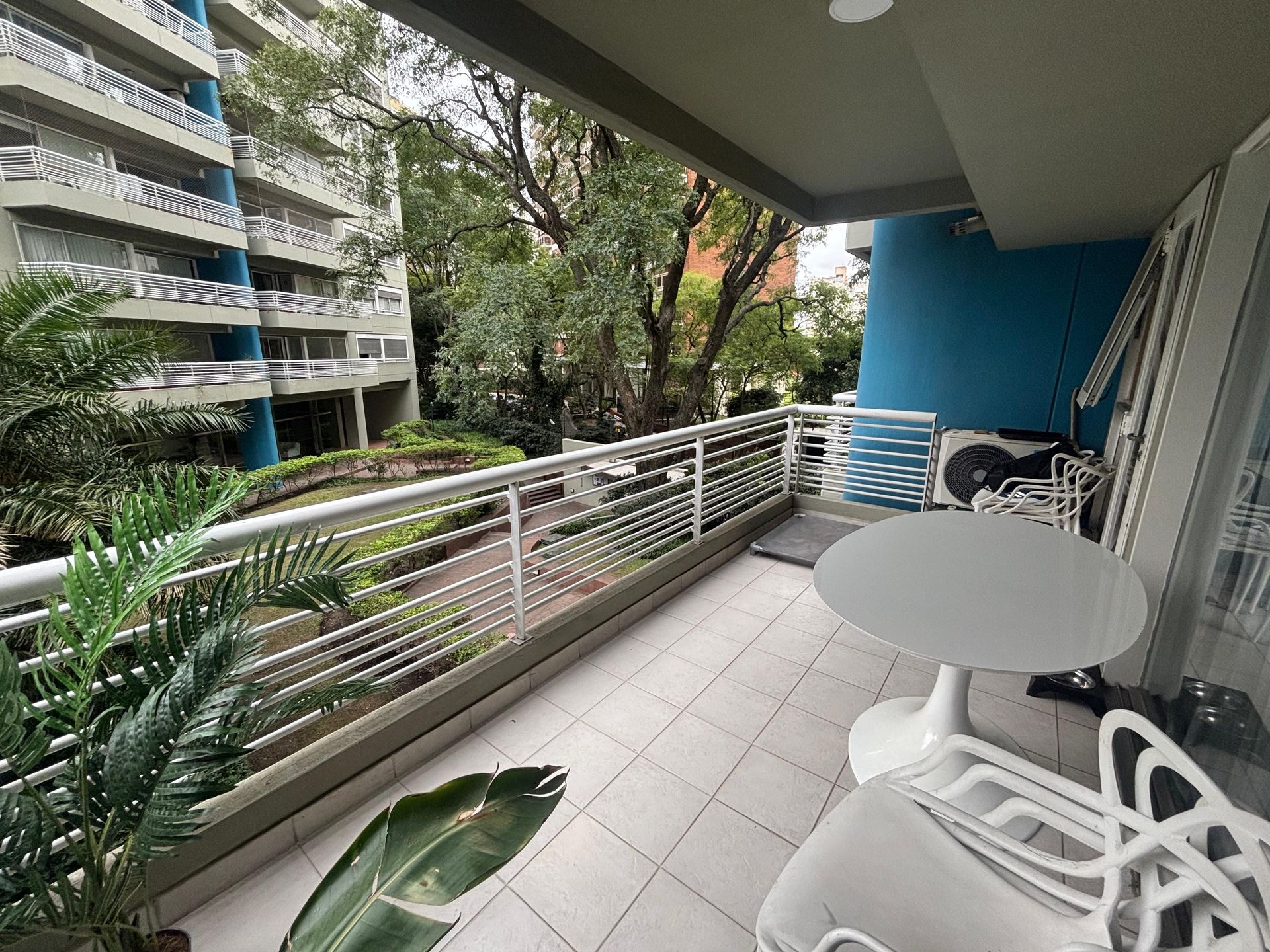
Original: "El departamento está compuesto por un living comedor con salida a balcón, una cocina que también accede al balcón, un dormitorio principal en suite con vestidor, un segundo dormitorio y un baño completo."
Translation: "The apartment comprises a living/dining room with access to a balcony, a kitchen that also accesses the balcony, a master suite with a walk-in closet, a second bedroom and a full bathroom."
Wait, "living comedor" - usually "living-dining room" or "living/dining room". "salida a balcón" = exit to balcony/access to balcony. "accede al balcón" = accesses the balcony. "dormitorio principal en suite con vestidor" = master suite with walk-in closet/dressing room. "baño completo" = full bathroom.
Original: "Entre sus principales características se destacan la losa radiante, las aberturas de primera calidad, una cochera cubierta y una baulera."
Translation: "Its main features include radiant floor heating, first-quality fixtures, a covered parking space and a storage locker."
Wait: "losa radiante" - radiant slab? Or radiant floor heating? In Argentina, "losa radiante" usually refers to radiant floor heating (heated floor). "aberturas de primera calidad" - first-rate openings/fixtures/windows and doors. "cochera cubierta" = covered parking/garage. "baulera" = storage locker.
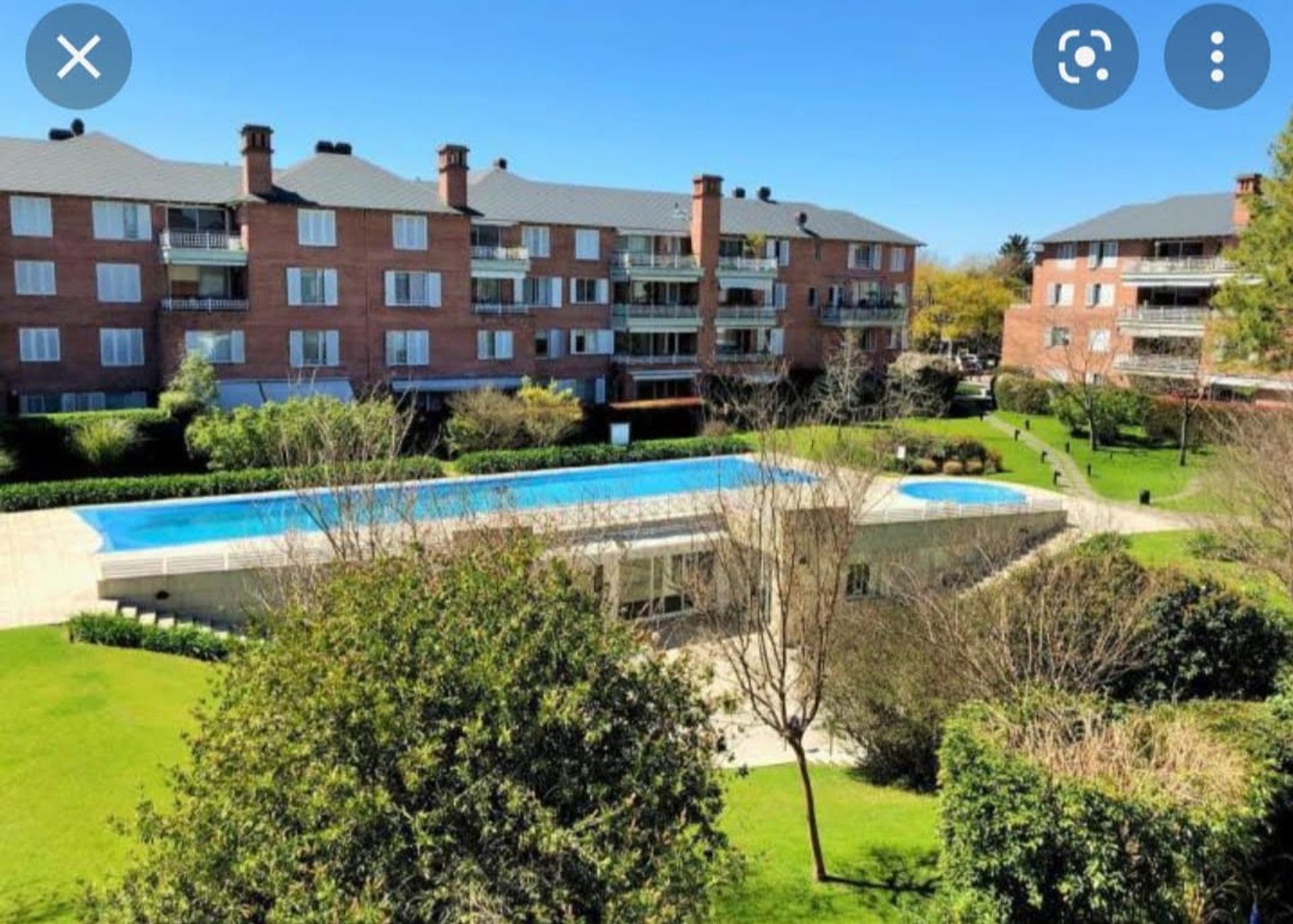
Original: "El edificio cuenta con seguridad privada las veinticuatro horas, pileta, SUM, gimnasio, laundry equipado con lavarropas y secadoras, y una plaza para niños."
Translation: "The building features private 24-hour security, a pool, a multipurpose room, a gym, a laundry room equipped with washers and dryers, and a children's playground."
Wait: "SUM" - this is a common acronym in Argentine real estate for "Salón de Usos Múltiples" which means multipurpose room/party room. Should I translate it? The instruction says "Translate only what is written. Do not add or infer missing data." But SUM is an acronym. Usually in translations for US/UK audiences, it's translated as "multipurpose room" or "function room" or left as SUM. But the instruction says translate only what is written. However, "SUM" is a Spanish acronym. If I leave it as SUM, English speakers won't understand. But the user said "Translate only what is written." I think I should translate the meaning. Actually, looking at the glossary, common terms are provided but SUM is not in the glossary. In Argentine real estate, SUM is standard but English readers need it translated. I'll translate it as "multipurpose room" since that's what it stands for, or should I keep it as is? The instruction says "Translate only what is written." This is tricky. If I translate "SUM" I'm not translating what's written literally. But if I don't, it's meaningless. Let me look at the glossary again - it doesn't include SUM. I think "multipurpose room" is the standard translation. Or I could say "multipurpose room (SUM)". But the instruction says "Do not add or infer missing data." Hmm. Actually, keeping it as SUM might be acceptable in some markets, but it's better to translate it. Wait, let me reconsider. The user said "Translate only what is written." This likely means don't add information that isn't in the text (like "beautiful views" if not mentioned). But translating an acronym to its meaning is still translation. I'll use "multipurpose room" or keep SUM? Let me think... In professional real estate translation, SUM is usually translated as "multipurpose room" or "party room." I'll go with "multipurpose room."
"lavarropas y secadoras" = washers and dryers (or washing machines and dryers).
"
Vicente Lopez · Olivos · Buenos Aires