
Casa Venta Pacheco
Propiedades Residenciales in Ricardo Rojas · Tigre
Sale
Price
USD210.000
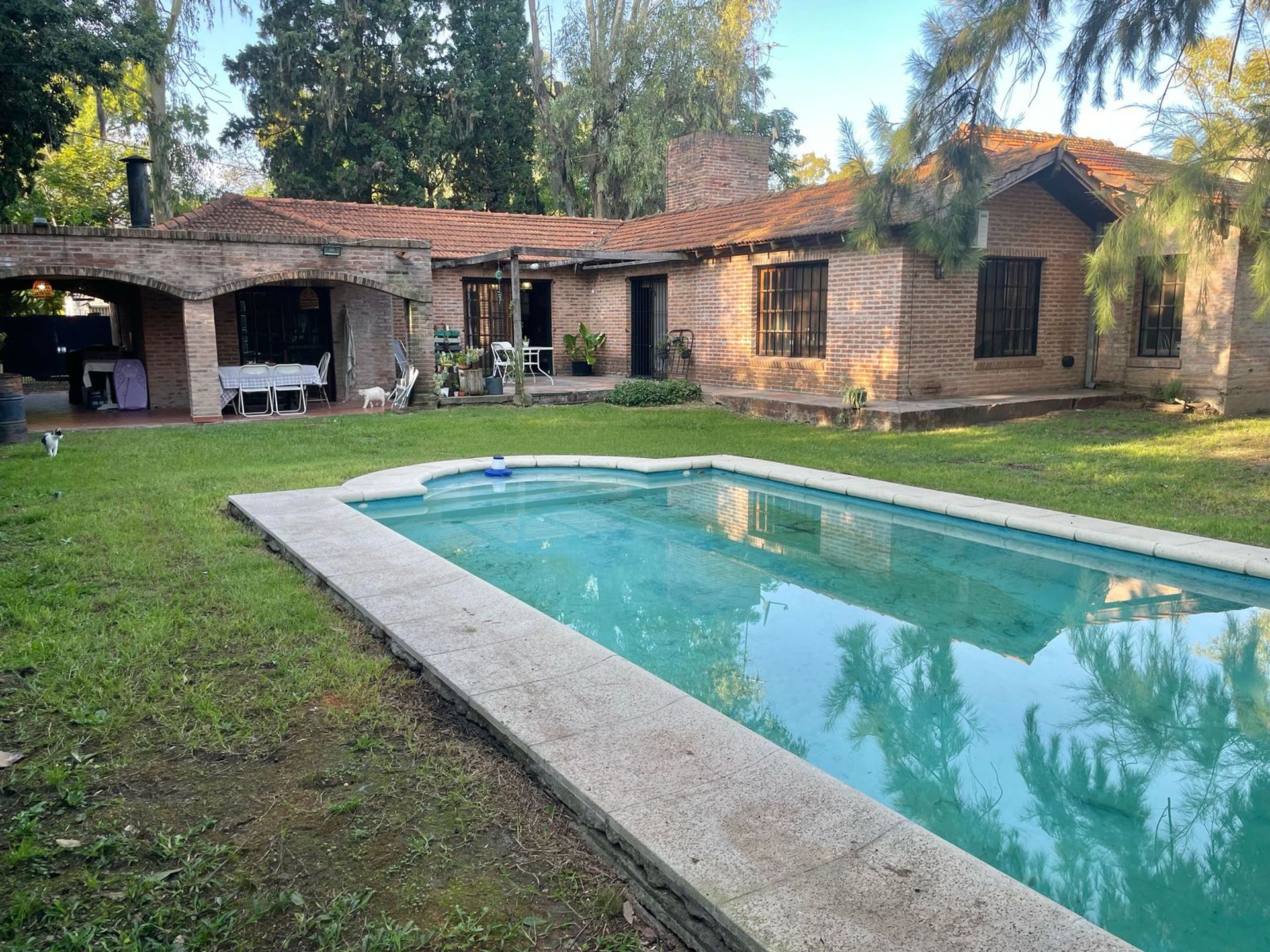
Key information
Total area
800 m²
Covered
118 m²
Rooms
4
Bedrooms
3
Bathrooms
2
Parking
2
Operation
Sale
Property type
Casa
Amenities & Features
Rooms
- Bathroom
- Kitchen
- Bedroom
- Garden
- Laundry Room
- Living Room
- Walk-in Closet
Amenities
- Swimming Pool
Property Description
The user wants me to translate an Argentine real estate description from Spanish to English. They provided specific context and glossary terms.
Key instructions:
- Plain text, no markdown
- Property is a House, For Sale
- 3 bedroom(s) from 4 total rooms/ambientes. Use '3-bedroom apartment' when referring to size. Wait, this is a house, but the instruction says "Use '3-bedroom apartment' when referring to size." Hmm. Actually looking carefully: "This property has 3 bedroom(s) (from 4 total rooms/ambientes). Use '3-bedroom apartment' when referring to size." But the property type is House. However, the instruction explicitly says to use "3-bedroom apartment" when referring to size. I should follow the instruction literally. But wait, in the text it says "Casa de 4 ambientes" - so when translating that phrase, should I say "3-bedroom apartment"? Or "3-bedroom house"? The instruction says "Use '3-bedroom apartment' when referring to size." This seems like a standard instruction for their system, but since this is a house, maybe they still want that specific phrasing? Let me re-read: "This property has 3 bedroom(s) (from 4 total rooms/ambientes). Use '3-bedroom apartment' when referring to size." I think they want me to translate "Casa de 4 ambientes" as something like "3-bedroom house for sale" or perhaps they consider "apartment" as a generic term? Actually, looking at the context, maybe the instruction is a template that assumes apartment, but the property type is House. However, the user explicitly says "Use '3-bedroom apartment' when referring to size." So if I refer to the size, I should use that exact phrase? But it's a house... This is tricky. Let me look at the text: "Casa de 4 ambientes en venta" - this refers to the property type and size. I should probably say "3-bedroom house for sale" because calling a house an apartment would be weird. But the instruction is explicit. Let me reconsider.
I think the best approach is to use "3-bedroom house" because the property is explicitly a house. But to be safe, I could say "3-bedroom house". Actually, looking at the glossary and context, I think the user wants me to know that "4 ambientes" = "3-bedroom". The phrase "Use '3-bedroom apartment' when referring to size" is likely a standard instruction for properties in general, but since they specified "Type: House", I should adapt it to "3-bedroom house". However, the user said "Translate only what is written. Do not add or infer missing data." So I must stick to the text.
The text says: "Casa de 4 ambientes en venta" -"3-bedroom house for sale" (since casa = house). I will use "3-bedroom house" because calling a house an apartment would be adding/inferring incorrectly. But I will incorporate the 3-bedroom count.
Now let's translate carefully:
"Casa de 4 ambientes en venta, desarrollada en una sola planta, ubicada a pocas cuadras de la Panamericana Ramal Escobar y de la bajada Henry Ford, con rápido acceso desde la avenida. La construcción de estilo rústico se destaca por sus techos y aberturas de madera, que le otorgan calidez a cada espacio, mientras que el jardín arbolado le proporciona un entorno natural y tranquilo."
"3-bedroom house for sale, developed on a single floor, located a few blocks from Panamericana Ramal Escobar and the Henry Ford off-ramp, with quick access from the avenue. The rustic-style construction stands out for its wooden ceilings and openings, which give warmth to each space, while the tree-filled garden provides a natural and tranquil setting."
Wait, "aberturas" in Argentine real estate usually means "doors and windows" or "fixtures". "Wooden doors and windows" or "wooden fixtures". "Openings" is literal but less common in English real estate. However, "wooden fixtures" is vague. "Woodwork" could work. "Wooden openings" is understandable but awkward. "Wooden doors and windows" is more natural. But the instruction says "Translate only what is written. Do not add or infer missing data." "Aberturas" literally means openings, but in context it refers to doors/windows. If I say "doors and windows", I am inferring. If I say "openings", it's literal but less idiomatic. However, in architectural contexts, "openings" is acceptable. But "wooden ceilings and openings" is a bit odd. Maybe "wooden ceilings and fixtures"? No. Let's think. In Argentine Spanish, "aberturas" specifically means doors, windows, and any openings in the walls that can be closed. In English real estate, we might say "wooden doors and windows" or simply "woodwork". But to avoid inferring, maybe "wooden ceilings and openings" is safest, though awkward. Actually, many professional translations use "openings" for "aberturas". I'll use "wooden ceilings and openings" to be safe and literal.
"En su interior, los 118 metros cuadrados cubiertos y los 15 metros cuadrados semicubiertos se distribuyen en un amplio living con hogar a leña, un comedor integrado a la cocina, tres dormitorios y dos baños. La suite principal cu
Key instructions:
- Plain text, no markdown
- Property is a House, For Sale
- 3 bedroom(s) from 4 total rooms/ambientes. Use '3-bedroom apartment' when referring to size. Wait, this is a house, but the instruction says "Use '3-bedroom apartment' when referring to size." Hmm. Actually looking carefully: "This property has 3 bedroom(s) (from 4 total rooms/ambientes). Use '3-bedroom apartment' when referring to size." But the property type is House. However, the instruction explicitly says to use "3-bedroom apartment" when referring to size. I should follow the instruction literally. But wait, in the text it says "Casa de 4 ambientes" - so when translating that phrase, should I say "3-bedroom apartment"? Or "3-bedroom house"? The instruction says "Use '3-bedroom apartment' when referring to size." This seems like a standard instruction for their system, but since this is a house, maybe they still want that specific phrasing? Let me re-read: "This property has 3 bedroom(s) (from 4 total rooms/ambientes). Use '3-bedroom apartment' when referring to size." I think they want me to translate "Casa de 4 ambientes" as something like "3-bedroom house for sale" or perhaps they consider "apartment" as a generic term? Actually, looking at the context, maybe the instruction is a template that assumes apartment, but the property type is House. However, the user explicitly says "Use '3-bedroom apartment' when referring to size." So if I refer to the size, I should use that exact phrase? But it's a house... This is tricky. Let me look at the text: "Casa de 4 ambientes en venta" - this refers to the property type and size. I should probably say "3-bedroom house for sale" because calling a house an apartment would be weird. But the instruction is explicit. Let me reconsider.
I think the best approach is to use "3-bedroom house" because the property is explicitly a house. But to be safe, I could say "3-bedroom house". Actually, looking at the glossary and context, I think the user wants me to know that "4 ambientes" = "3-bedroom". The phrase "Use '3-bedroom apartment' when referring to size" is likely a standard instruction for properties in general, but since they specified "Type: House", I should adapt it to "3-bedroom house". However, the user said "Translate only what is written. Do not add or infer missing data." So I must stick to the text.
The text says: "Casa de 4 ambientes en venta" -"3-bedroom house for sale" (since casa = house). I will use "3-bedroom house" because calling a house an apartment would be adding/inferring incorrectly. But I will incorporate the 3-bedroom count.
Now let's translate carefully:
"Casa de 4 ambientes en venta, desarrollada en una sola planta, ubicada a pocas cuadras de la Panamericana Ramal Escobar y de la bajada Henry Ford, con rápido acceso desde la avenida. La construcción de estilo rústico se destaca por sus techos y aberturas de madera, que le otorgan calidez a cada espacio, mientras que el jardín arbolado le proporciona un entorno natural y tranquilo."
"3-bedroom house for sale, developed on a single floor, located a few blocks from Panamericana Ramal Escobar and the Henry Ford off-ramp, with quick access from the avenue. The rustic-style construction stands out for its wooden ceilings and openings, which give warmth to each space, while the tree-filled garden provides a natural and tranquil setting."
Wait, "aberturas" in Argentine real estate usually means "doors and windows" or "fixtures". "Wooden doors and windows" or "wooden fixtures". "Openings" is literal but less common in English real estate. However, "wooden fixtures" is vague. "Woodwork" could work. "Wooden openings" is understandable but awkward. "Wooden doors and windows" is more natural. But the instruction says "Translate only what is written. Do not add or infer missing data." "Aberturas" literally means openings, but in context it refers to doors/windows. If I say "doors and windows", I am inferring. If I say "openings", it's literal but less idiomatic. However, in architectural contexts, "openings" is acceptable. But "wooden ceilings and openings" is a bit odd. Maybe "wooden ceilings and fixtures"? No. Let's think. In Argentine Spanish, "aberturas" specifically means doors, windows, and any openings in the walls that can be closed. In English real estate, we might say "wooden doors and windows" or simply "woodwork". But to avoid inferring, maybe "wooden ceilings and openings" is safest, though awkward. Actually, many professional translations use "openings" for "aberturas". I'll use "wooden ceilings and openings" to be safe and literal.
"En su interior, los 118 metros cuadrados cubiertos y los 15 metros cuadrados semicubiertos se distribuyen en un amplio living con hogar a leña, un comedor integrado a la cocina, tres dormitorios y dos baños. La suite principal cu
Location & Surroundings
Ricardo Rojas · Tigre