
2-Bedroom Apartment for Sale in Olivos with Garage and Terrace
Propiedades Residenciales in Olivos · Vicente Lopez
Sale
Price
USD235.000


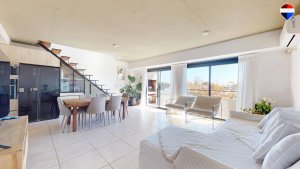
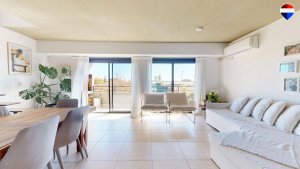
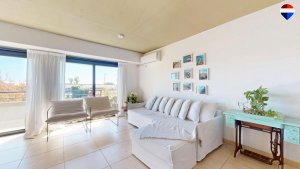
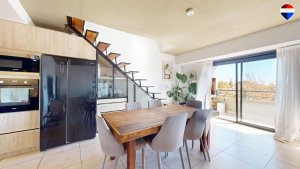
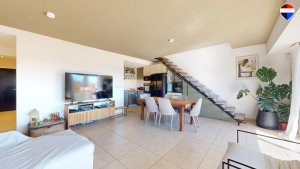
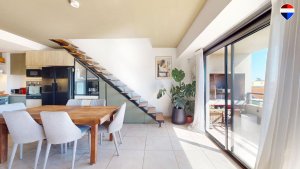
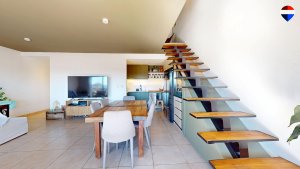
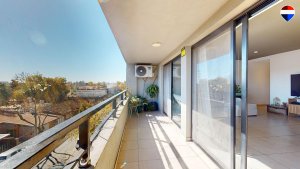


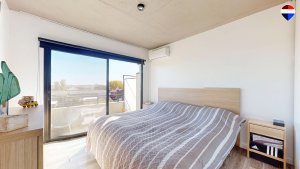


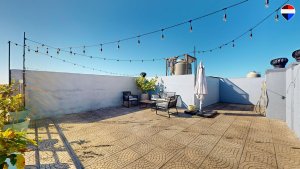


Key information
Total area
102 m²
Covered
83 m²
Rooms
3
Bedrooms
2
Bathrooms
1
Parking
1
Operation
Sale
Property type
Departamento Dúplex
Amenities & Features
Rooms
- Balcony
- Bathroom
- Kitchen
- Kitchen/Dining Room
- Dining Room
- Bedroom
- Living Room
- Living/Dining Room
- Guest Toilet
Amenities
- Swimming Pool
Services
- Water
- Electricity
Property Description
The user wants me to translate an Argentine real estate description from Spanish to English. I need to follow specific instructions:
1. Plain text, no markdown
2. Property context: Duplex Apartment, For Sale, 2-bedroom apartment (from 3 total rooms/ambientes)
3. Glossary provided: pileta=pool, cochera=parking/garage, baulera=storage locker, PH=penthouse, expensas=HOA fees, CABA=City of Buenos Aires, con renta=income-producing
4. Translate only what is written. Do not add or infer missing data.
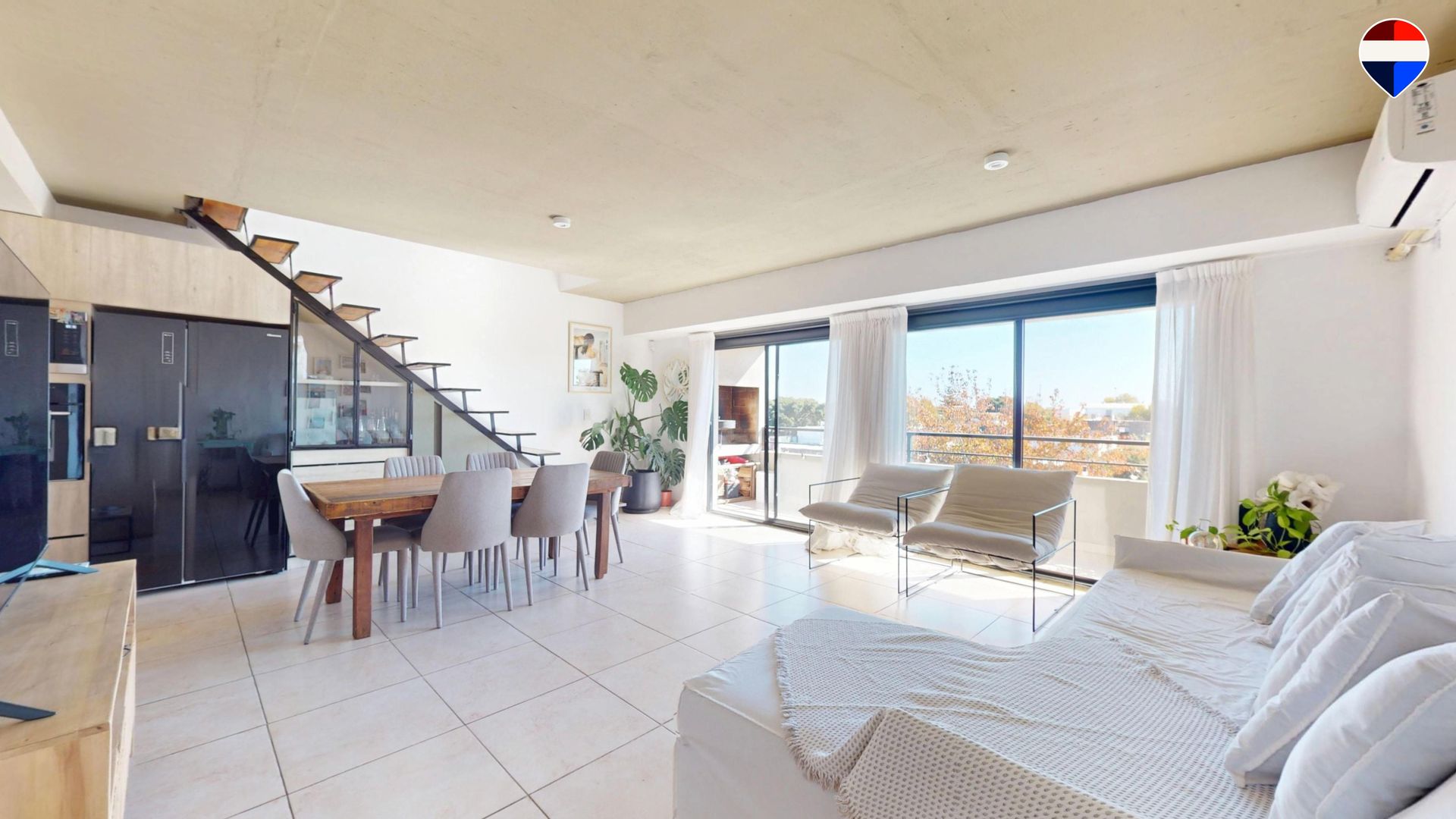
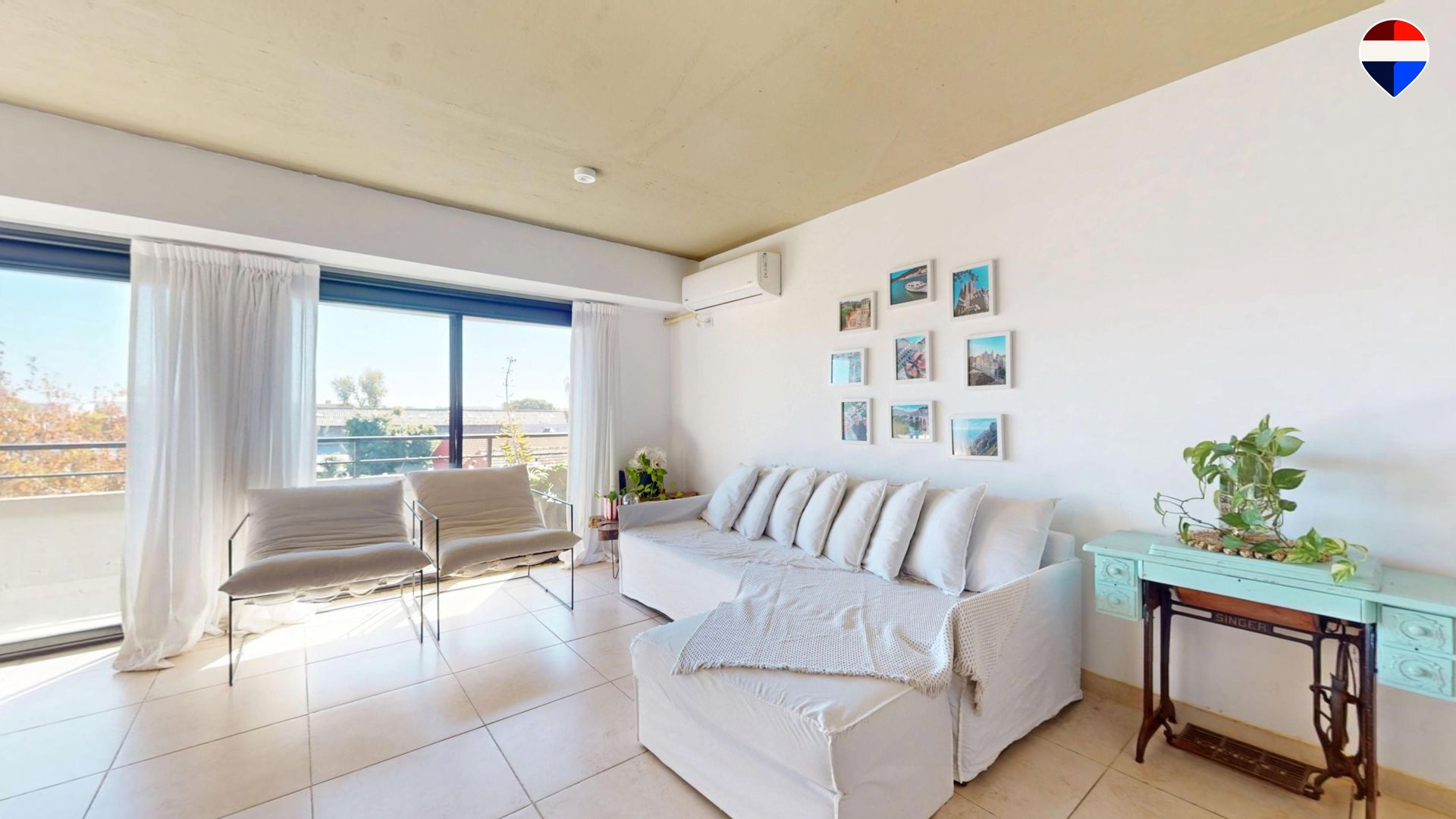
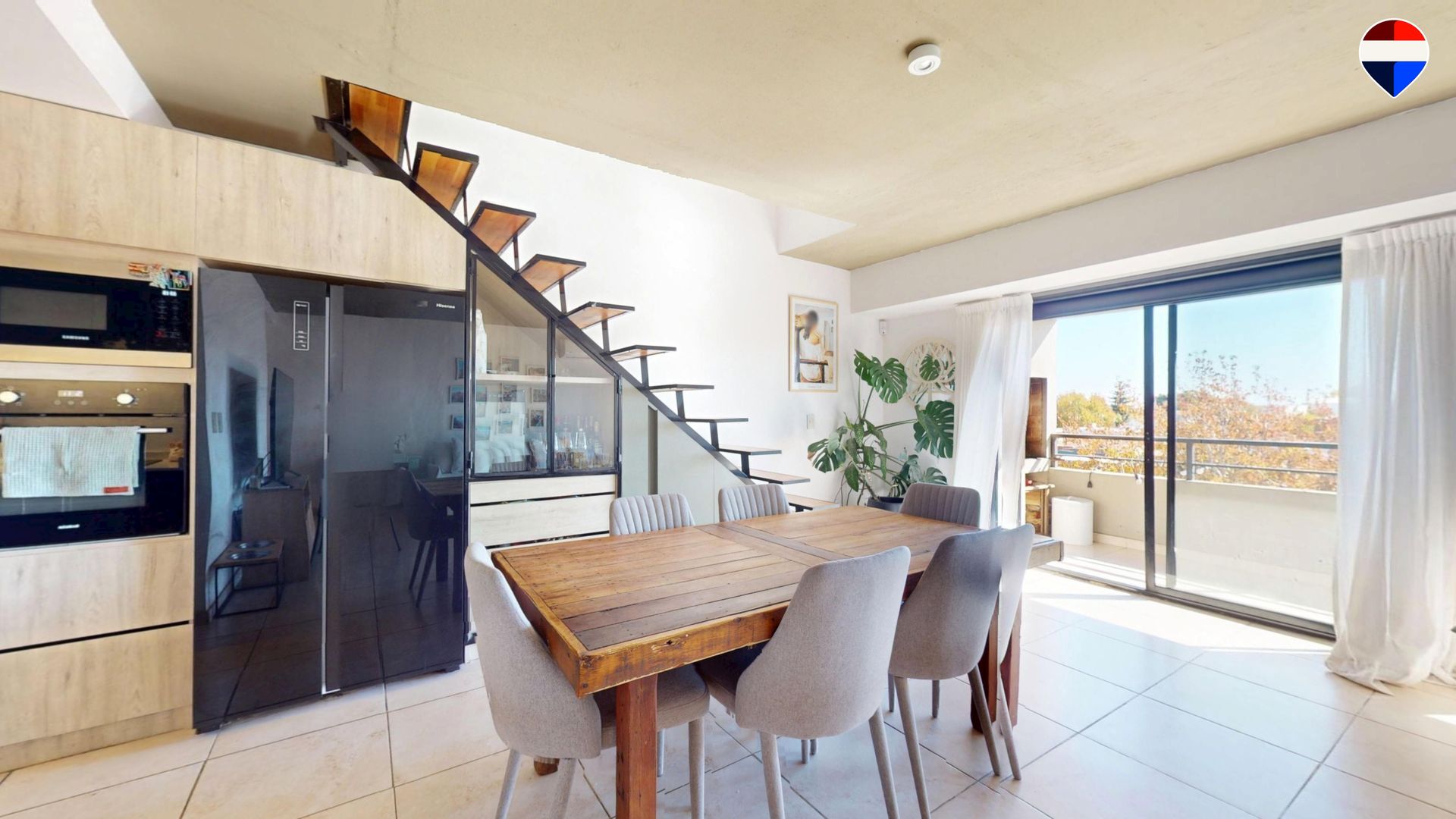
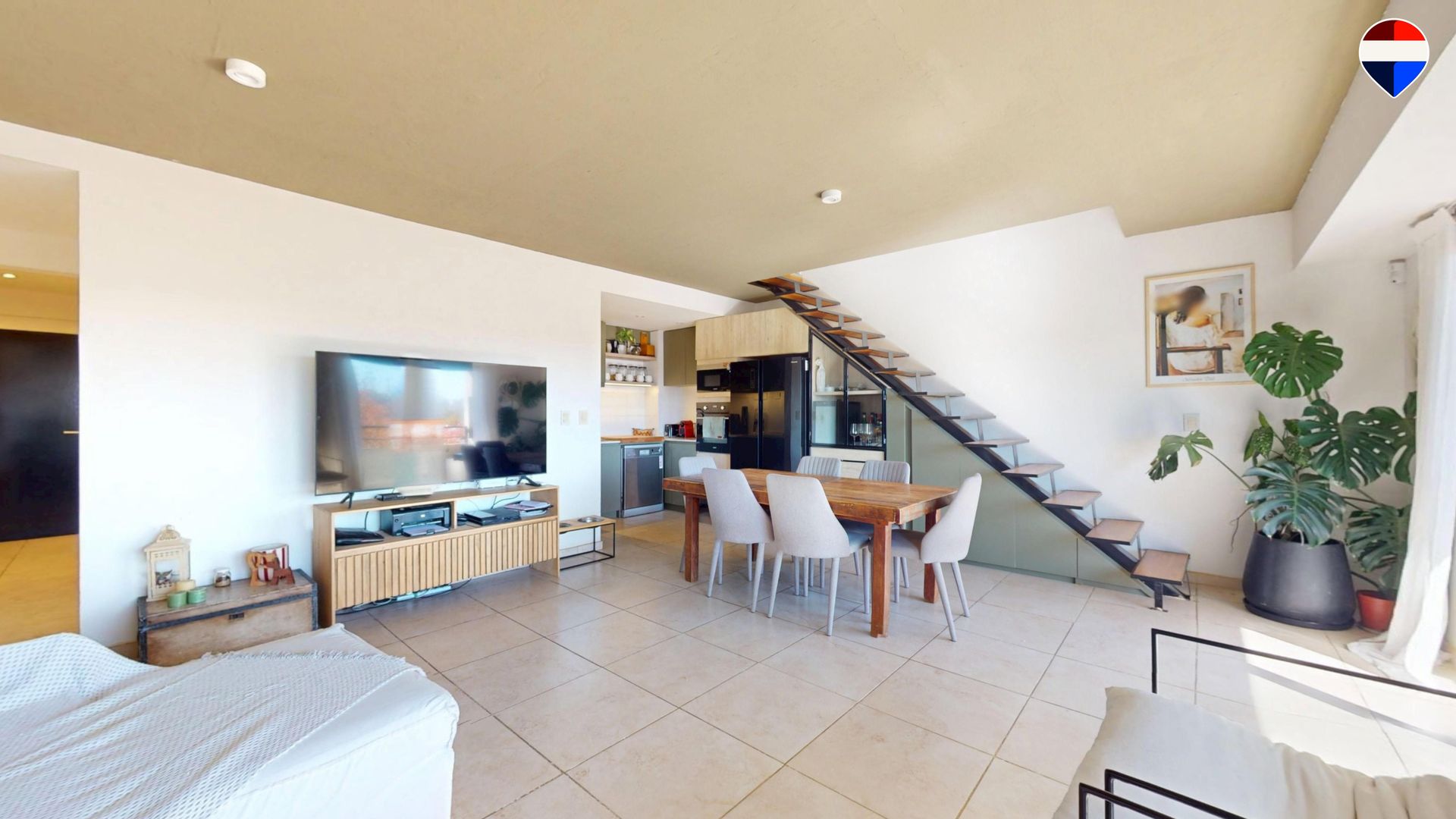
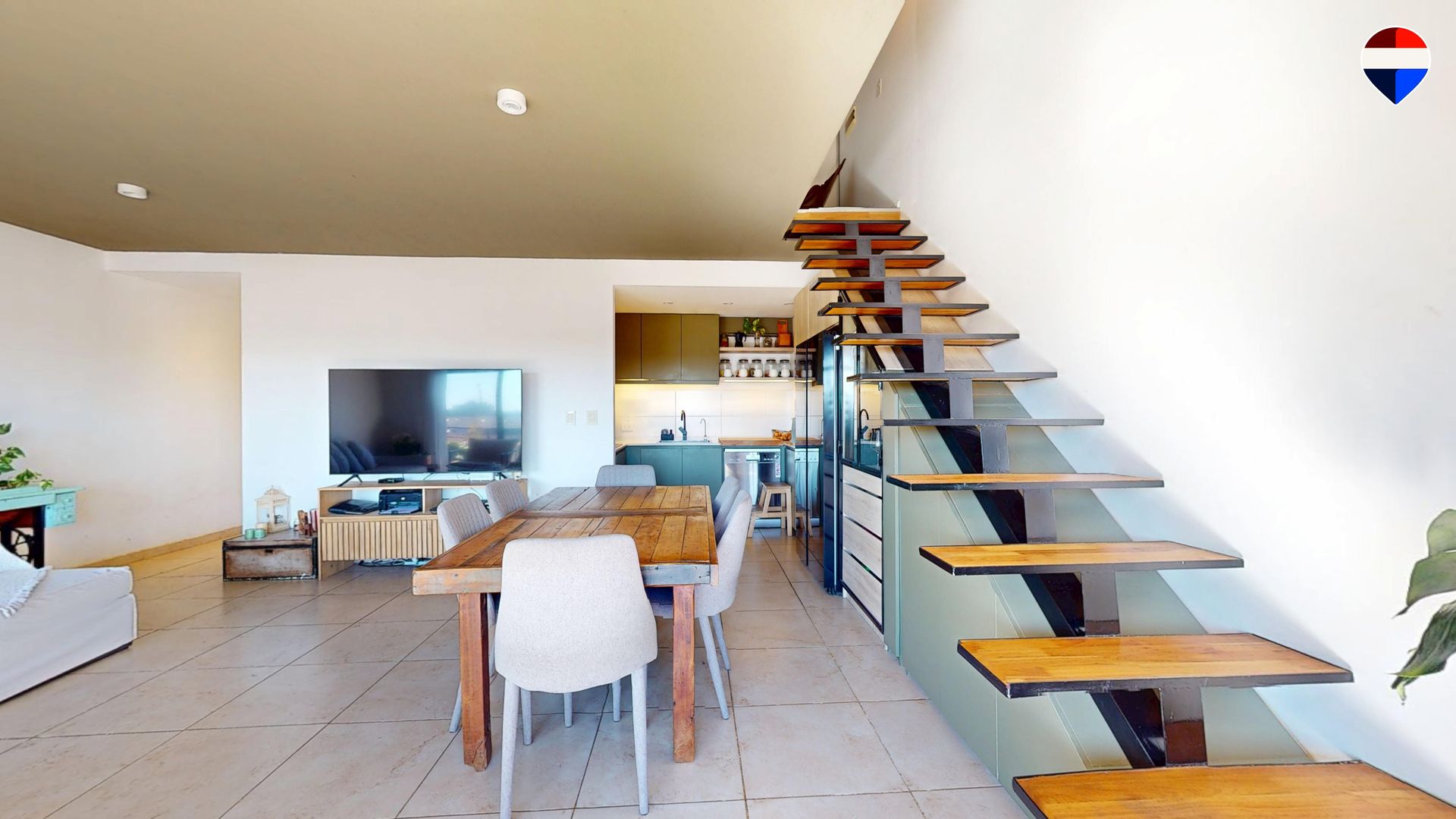
"Departamento dúplex de tres ambientes en Olivos, ubicado al frente en el tercer piso, con espacios amplios, muy luminosos y una distribución moderna y funcional."
-Duplex apartment of three rooms in Olivos, located facing the street on the third floor, with spacious spaces, very bright and a modern and functional layout.
Wait, the context says "This property has 2 bedroom(s) (from 3 total rooms/ambientes). Use '2-bedroom apartment' when referring to size."
So "Departamento dúplex de tres ambientes" should be translated as "2-bedroom duplex apartment" or similar? The instruction says "Use '2-bedroom apartment' when referring to size." But it says "Translate only what is written." Hmm. The context says it has 2 bedrooms from 3 total rooms. "Tres ambientes" literally means 3 rooms. But the instruction says to use '2-bedroom apartment' when referring to size. However, it also says "Translate only what is written. Do not add or infer missing data."
Wait, the context says: "This property has 2 bedroom(s) (from 3 total rooms/ambientes). Use '2-bedroom apartment' when referring to size." This seems to be a style guide instruction. So "Departamento dúplex de tres ambientes" -"2-bedroom duplex apartment" because that's the standard way to refer to size in English real estate. But "tres ambientes" specifically means 3 rooms. In Argentina, "ambientes" counts living/dining as one, plus bedrooms. So 3 ambientes = 2 bedrooms + living room. The instruction explicitly says to use '2-bedroom apartment' when referring to size. But should I translate "de tres ambientes" as "2-bedroom"? The instruction says "Use '2-bedroom apartment' when referring to size." So yes, I should convert the size description to the English equivalent.
But the text says "Departamento dúplex de tres ambientes". If I translate literally: "Duplex apartment of three rooms". But the instruction says use '2-bedroom apartment' when referring to size. I think the intent is to translate "tres ambientes" as "2-bedroom" because that's the functional equivalent. Let me follow the instruction: "Use '2-bedroom apartment' when referring to size."
"ubicado al frente en el tercer piso" -located facing the street on the third floor / located to the front on the third floor. "Al frente" in Argentine real estate means facing the street (as opposed to contrafrente, facing the back). So "street-facing on the third floor" or "facing the front on the third floor". I'll use "facing the street on the third floor" or simply "to the front on the third floor". Actually, "located to the front on the third floor" is a bit awkward. "Located facing the street on the third floor" is clearer but is it inferring? "Al frente" means front-facing. In real estate English, "front-facing" or "facing the street" works. I'll use "facing the street" or keep it literal. Actually, "al frente" is standard terminology. Let's use "located street-facing on the third floor" or "at the front on the third floor". I'll go with "located at the front on the third floor" but that's ambiguous. In Argentine listings, "al frente" = facing the street. But the instruction says don't infer missing data. Hmm. "Al frente" literally means "at the front". But in context of apartments, it means facing the street. However, to be safe and literal: "located at the front on the third floor". Actually, I think "facing the street" is a direct translation of the meaning. But let's stick closer: "located to the front on the third floor" is awkward. "Located at the front on the third floor" is better. Or "front-facing on the third floor". I'll use "front-facing on the third floor".
"con espacios amplios, muy luminosos y una distribución moderna y funcional."
-with spacious areas, very bright, and a modern and functional layout.
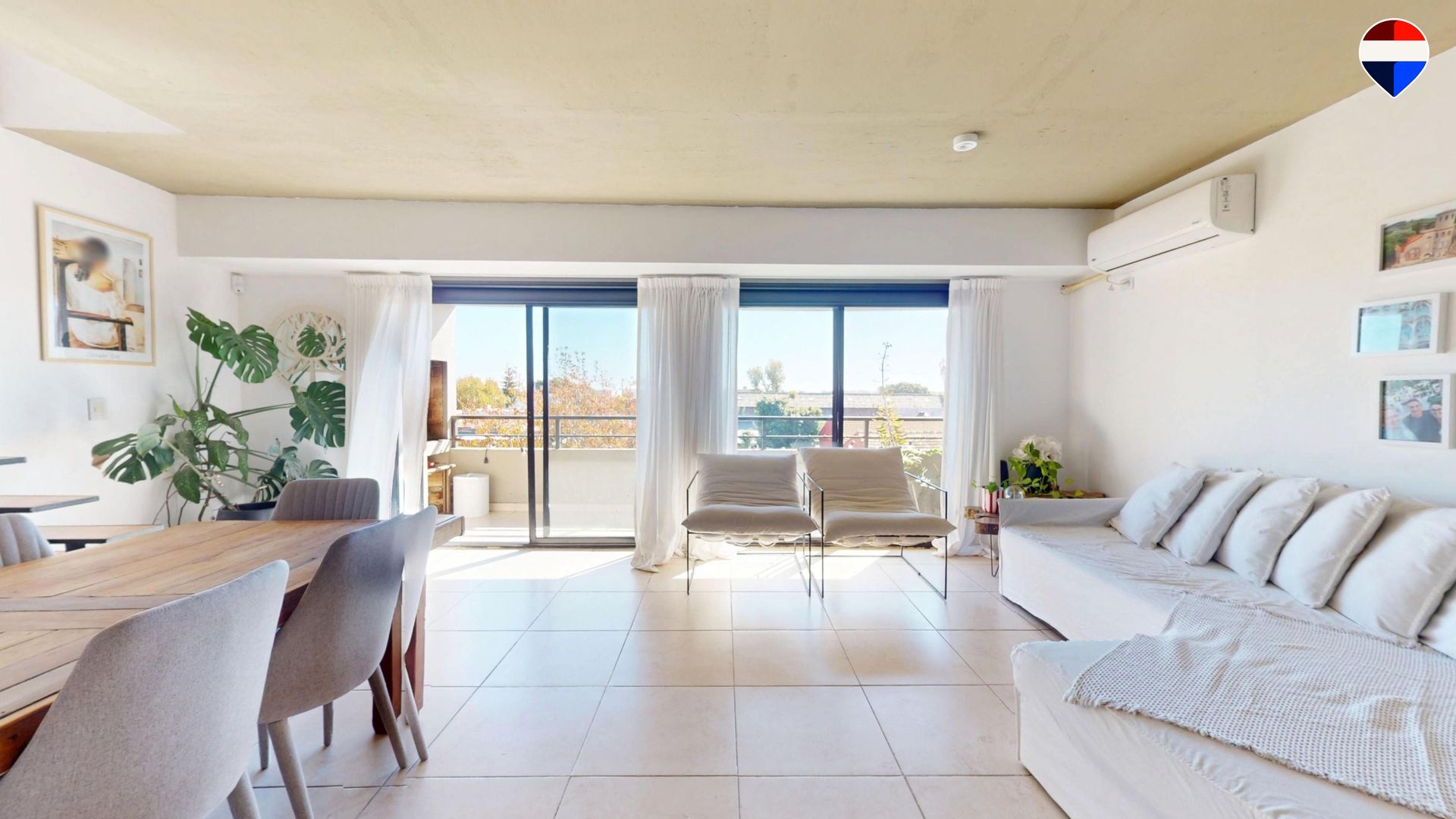
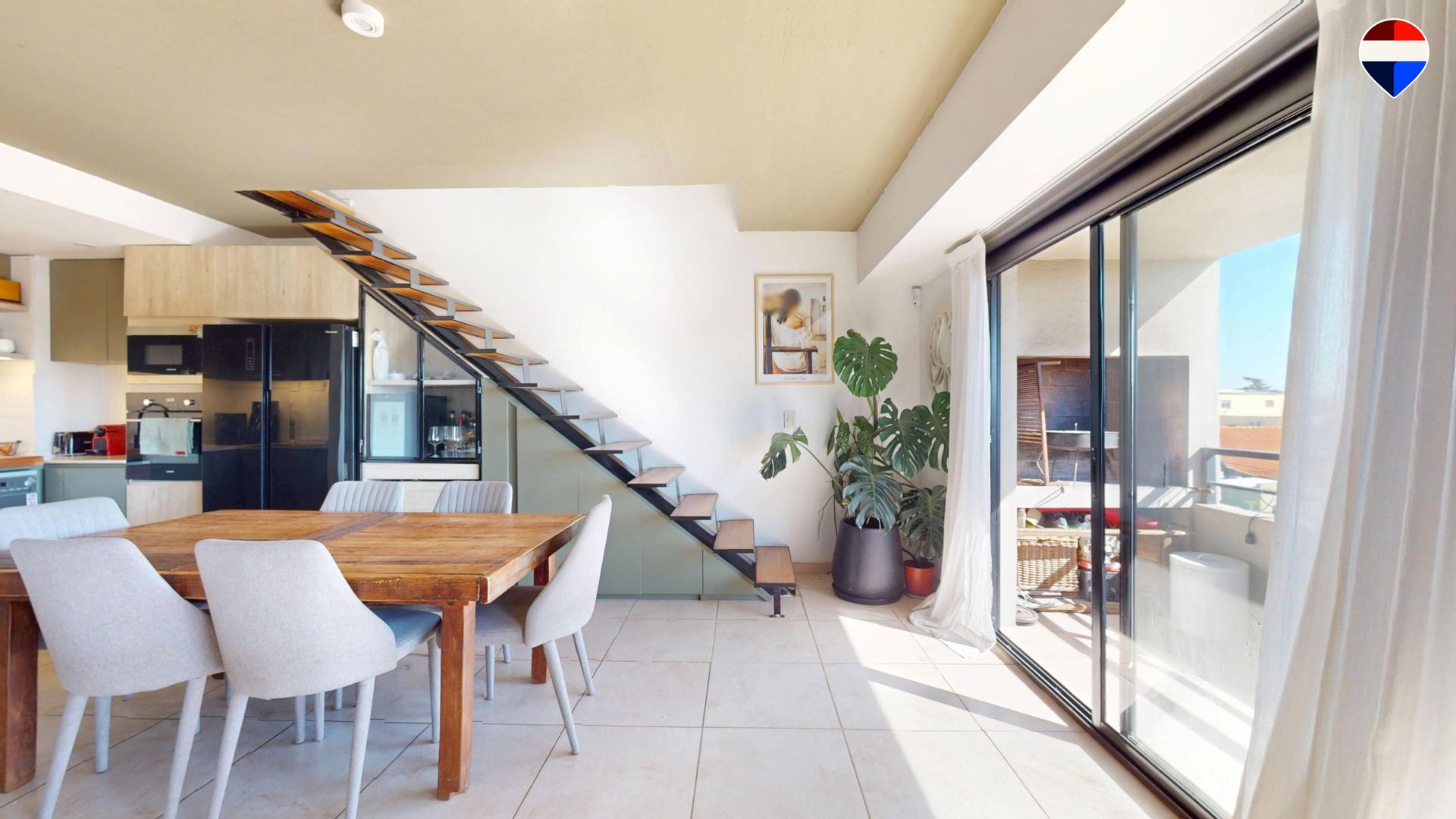
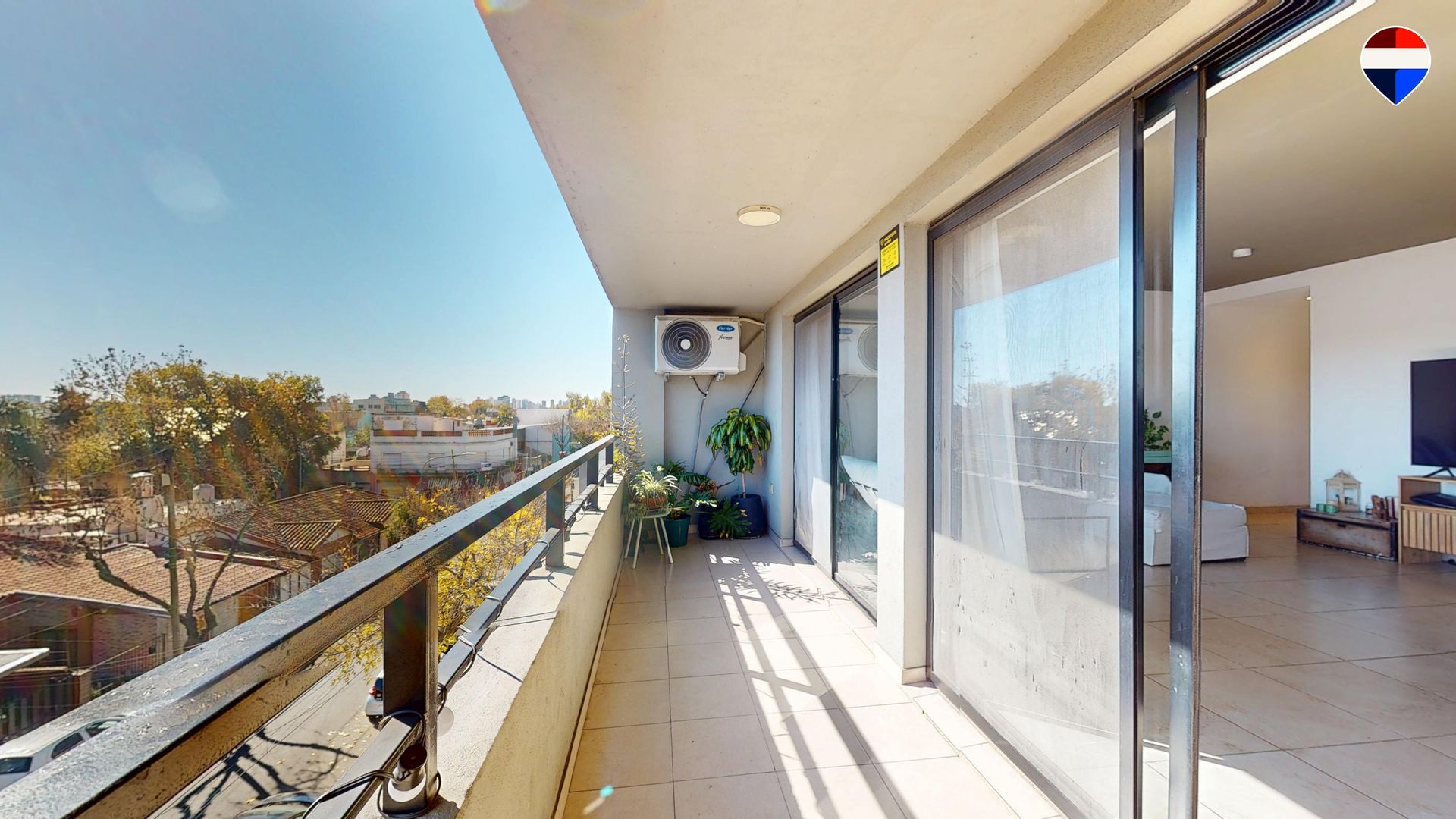
"En el primer nivel se desarrolla un amplio living comedor con gran ingreso de luz natural y salida a un balcón corrido con parrilla."
-On the first level there is a spacious living-dining room with abundant natural light and access to a continuous balcony with a grill.
Wait, "balcón corrido" = continuous balcony / wraparound balcony / run-on balcony. In Argentine real estate, "balcón corrido" usually means a balcony that runs along the length of the apartment, continuous. I'll translate as "continuous balcony" or "full-length balcony". Let's use "continuous balcony".
"parrilla" = grill / barbecue grill. In Argentina, parrilla is specifically a barbecue grill. I'll use "grill" or "barbecue gril
1. Plain text, no markdown
2. Property context: Duplex Apartment, For Sale, 2-bedroom apartment (from 3 total rooms/ambientes)
3. Glossary provided: pileta=pool, cochera=parking/garage, baulera=storage locker, PH=penthouse, expensas=HOA fees, CABA=City of Buenos Aires, con renta=income-producing
4. Translate only what is written. Do not add or infer missing data.
"Departamento dúplex de tres ambientes en Olivos, ubicado al frente en el tercer piso, con espacios amplios, muy luminosos y una distribución moderna y funcional."
-Duplex apartment of three rooms in Olivos, located facing the street on the third floor, with spacious spaces, very bright and a modern and functional layout.
Wait, the context says "This property has 2 bedroom(s) (from 3 total rooms/ambientes). Use '2-bedroom apartment' when referring to size."
So "Departamento dúplex de tres ambientes" should be translated as "2-bedroom duplex apartment" or similar? The instruction says "Use '2-bedroom apartment' when referring to size." But it says "Translate only what is written." Hmm. The context says it has 2 bedrooms from 3 total rooms. "Tres ambientes" literally means 3 rooms. But the instruction says to use '2-bedroom apartment' when referring to size. However, it also says "Translate only what is written. Do not add or infer missing data."
Wait, the context says: "This property has 2 bedroom(s) (from 3 total rooms/ambientes). Use '2-bedroom apartment' when referring to size." This seems to be a style guide instruction. So "Departamento dúplex de tres ambientes" -"2-bedroom duplex apartment" because that's the standard way to refer to size in English real estate. But "tres ambientes" specifically means 3 rooms. In Argentina, "ambientes" counts living/dining as one, plus bedrooms. So 3 ambientes = 2 bedrooms + living room. The instruction explicitly says to use '2-bedroom apartment' when referring to size. But should I translate "de tres ambientes" as "2-bedroom"? The instruction says "Use '2-bedroom apartment' when referring to size." So yes, I should convert the size description to the English equivalent.
But the text says "Departamento dúplex de tres ambientes". If I translate literally: "Duplex apartment of three rooms". But the instruction says use '2-bedroom apartment' when referring to size. I think the intent is to translate "tres ambientes" as "2-bedroom" because that's the functional equivalent. Let me follow the instruction: "Use '2-bedroom apartment' when referring to size."
"ubicado al frente en el tercer piso" -located facing the street on the third floor / located to the front on the third floor. "Al frente" in Argentine real estate means facing the street (as opposed to contrafrente, facing the back). So "street-facing on the third floor" or "facing the front on the third floor". I'll use "facing the street on the third floor" or simply "to the front on the third floor". Actually, "located to the front on the third floor" is a bit awkward. "Located facing the street on the third floor" is clearer but is it inferring? "Al frente" means front-facing. In real estate English, "front-facing" or "facing the street" works. I'll use "facing the street" or keep it literal. Actually, "al frente" is standard terminology. Let's use "located street-facing on the third floor" or "at the front on the third floor". I'll go with "located at the front on the third floor" but that's ambiguous. In Argentine listings, "al frente" = facing the street. But the instruction says don't infer missing data. Hmm. "Al frente" literally means "at the front". But in context of apartments, it means facing the street. However, to be safe and literal: "located at the front on the third floor". Actually, I think "facing the street" is a direct translation of the meaning. But let's stick closer: "located to the front on the third floor" is awkward. "Located at the front on the third floor" is better. Or "front-facing on the third floor". I'll use "front-facing on the third floor".
"con espacios amplios, muy luminosos y una distribución moderna y funcional."
-with spacious areas, very bright, and a modern and functional layout.
"En el primer nivel se desarrolla un amplio living comedor con gran ingreso de luz natural y salida a un balcón corrido con parrilla."
-On the first level there is a spacious living-dining room with abundant natural light and access to a continuous balcony with a grill.
Wait, "balcón corrido" = continuous balcony / wraparound balcony / run-on balcony. In Argentine real estate, "balcón corrido" usually means a balcony that runs along the length of the apartment, continuous. I'll translate as "continuous balcony" or "full-length balcony". Let's use "continuous balcony".
"parrilla" = grill / barbecue grill. In Argentina, parrilla is specifically a barbecue grill. I'll use "grill" or "barbecue gril
Location & Surroundings
Olivos · Vicente Lopez