
Venta depto 3 amb en Tigre c/cochera-Apto Crédito
Propiedades Residenciales in Tigre · Tigre
Sale
Credit Eligible
Price
USD179.000
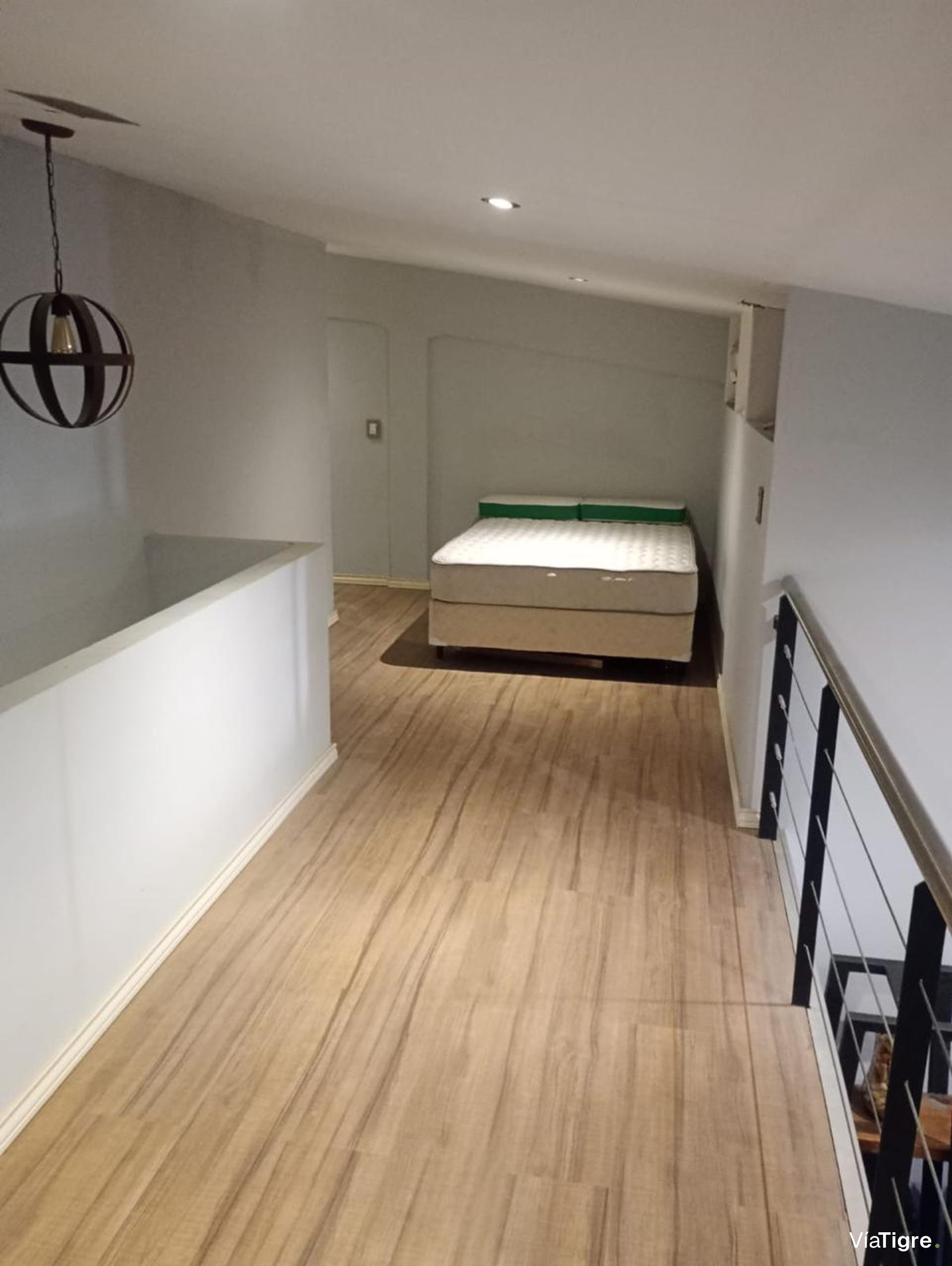
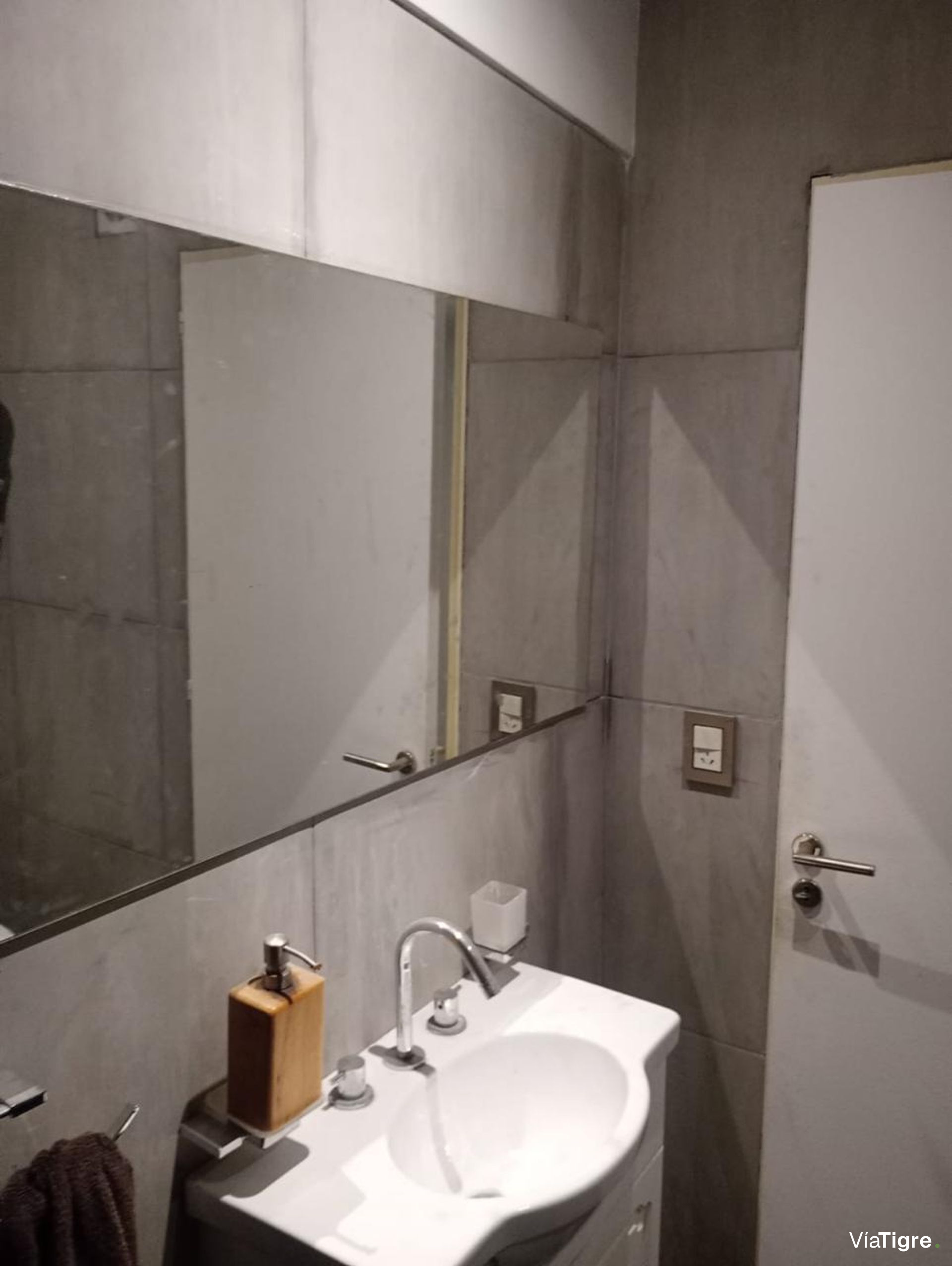
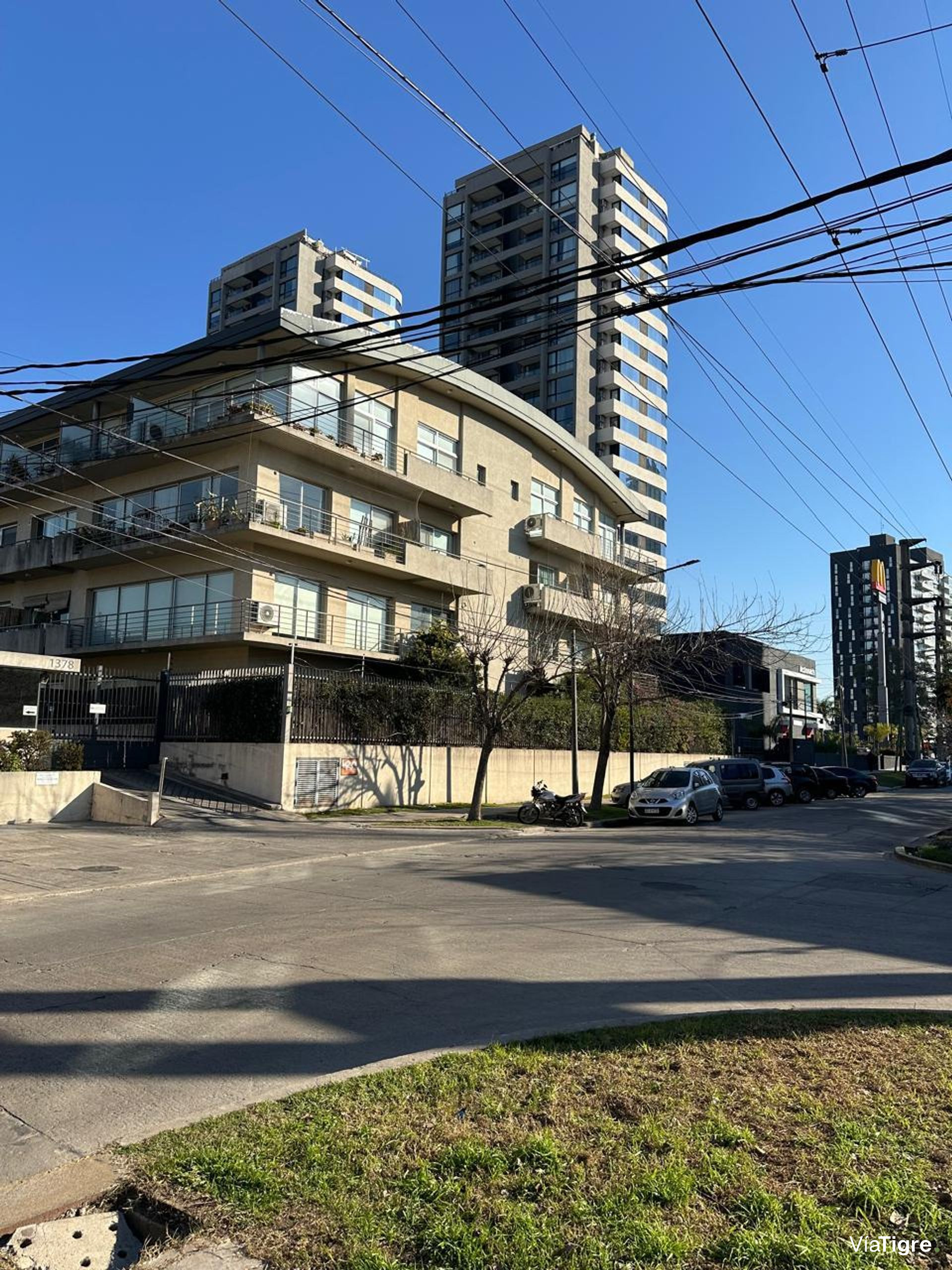
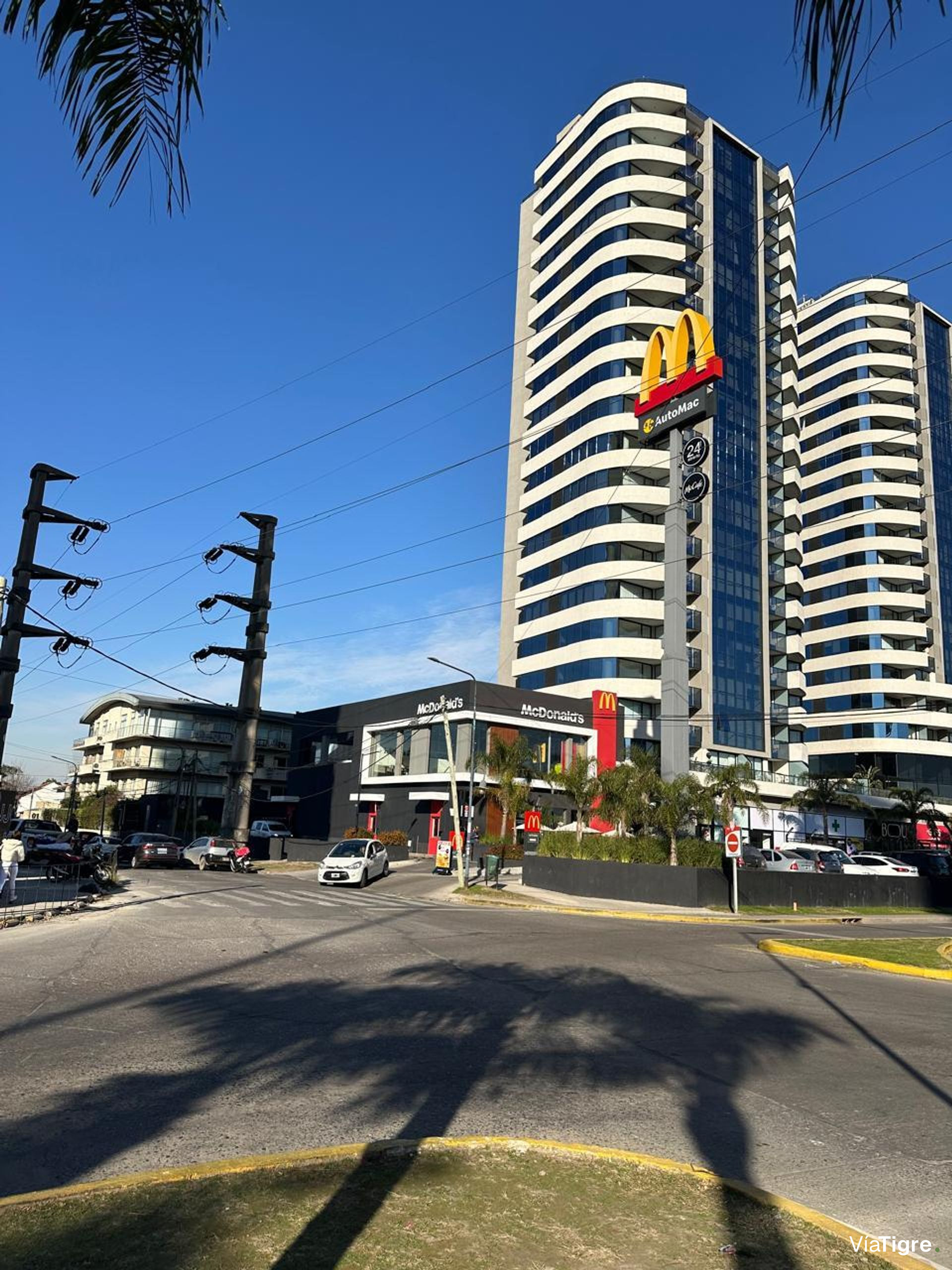
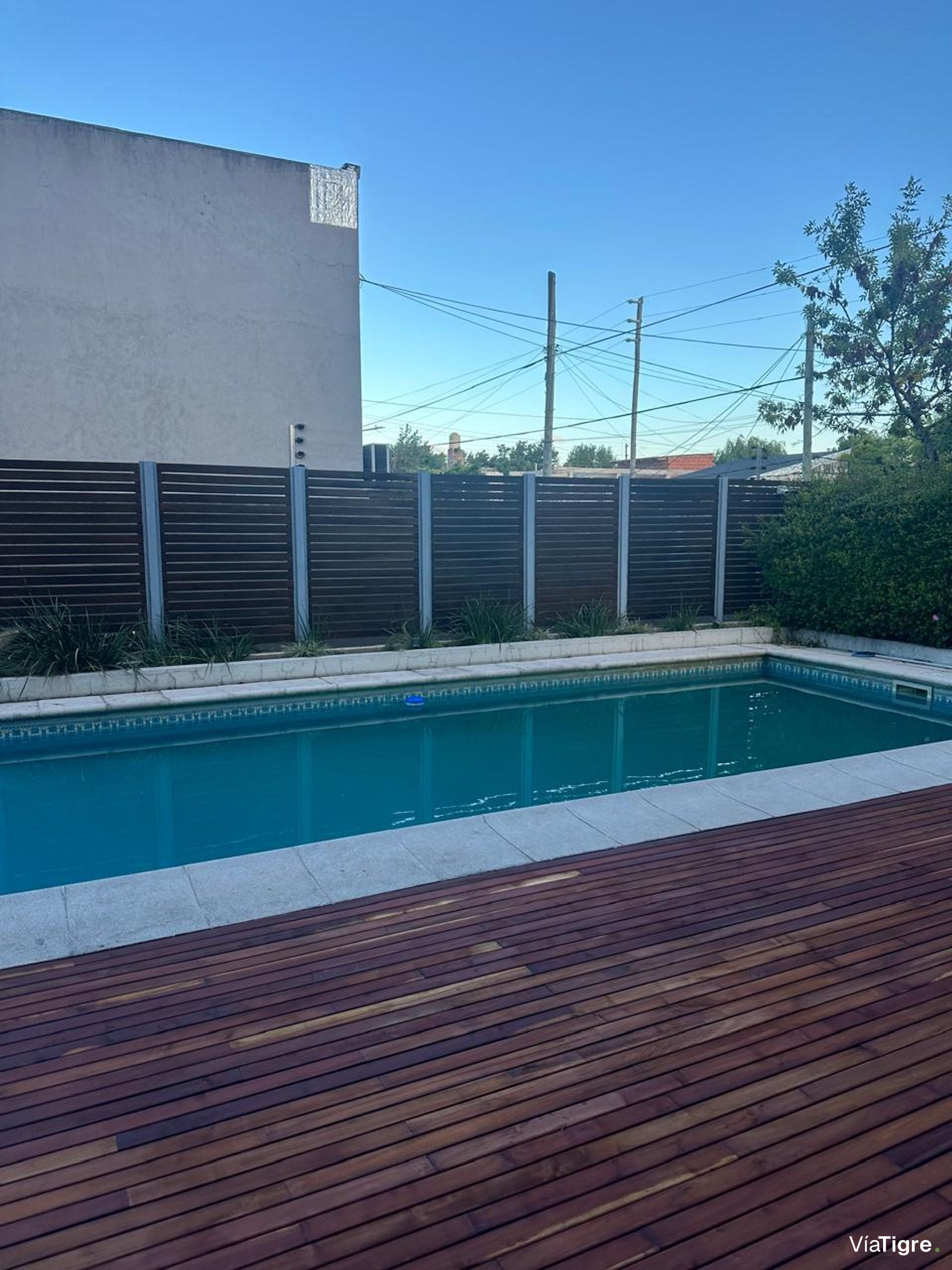
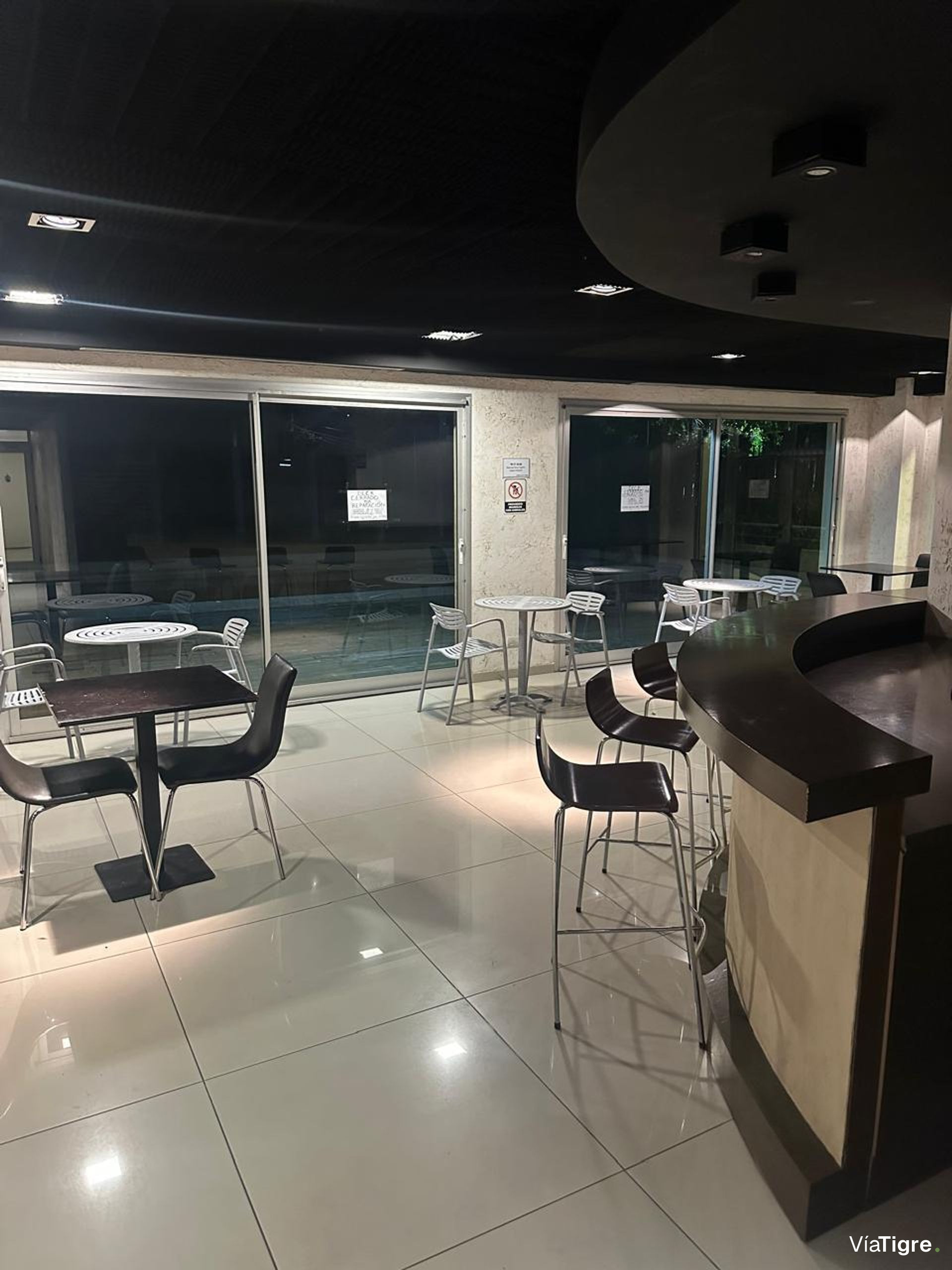

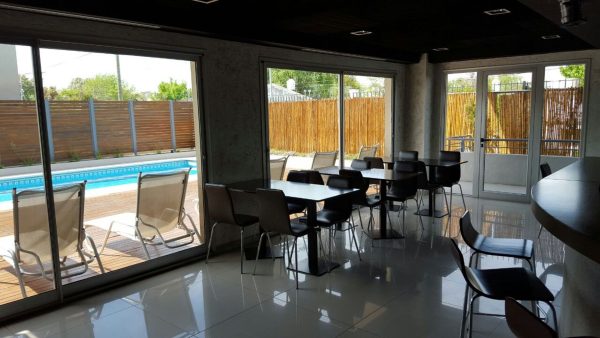
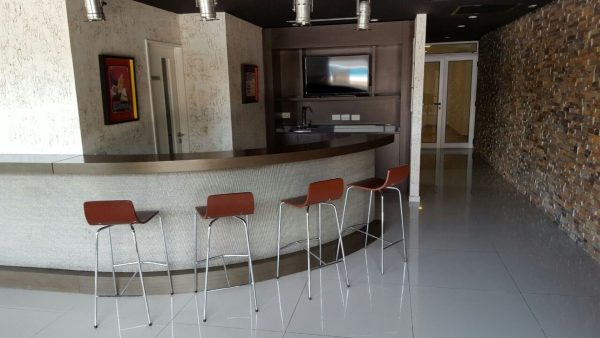
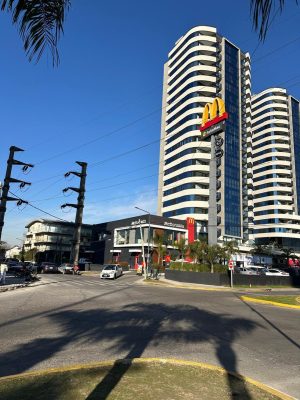
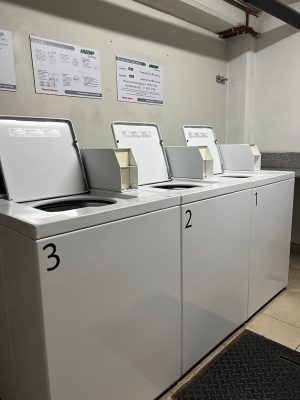
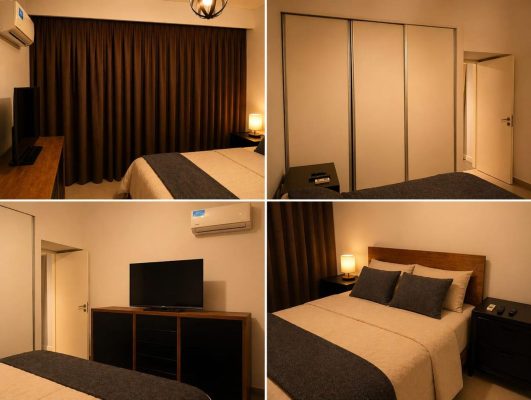
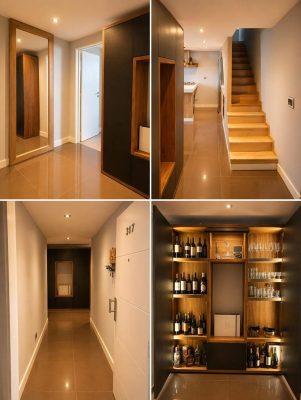
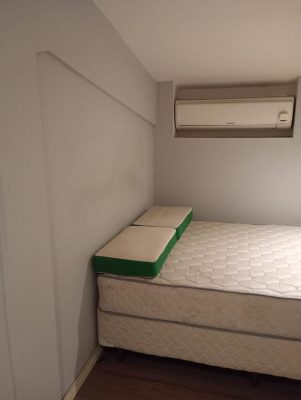
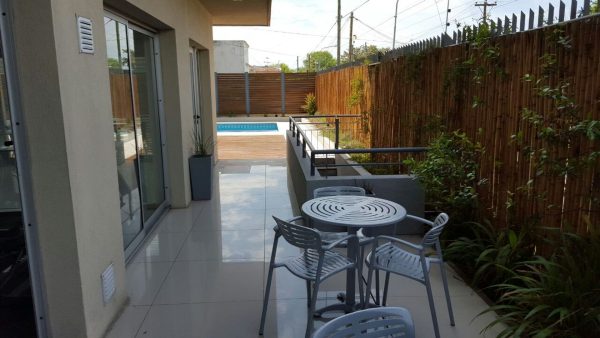
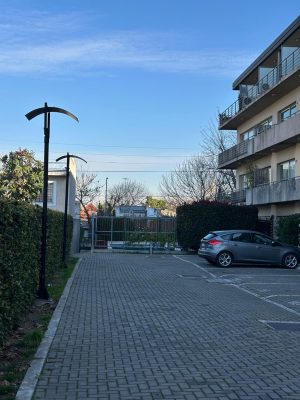

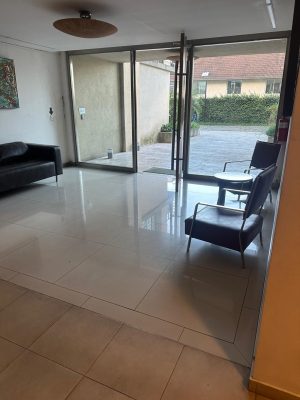
Key information
Total area
120 m²
Covered
100 m²
Rooms
3
Bedrooms
2
Bathrooms
2
Parking
1
Operation
Sale
Property type
Departamento Estándar
Credit Eligible
Yes
Professional Use
Yes
Commercial Use
Yes
Accessible
Yes
Amenities & Features
Rooms
- Balcony
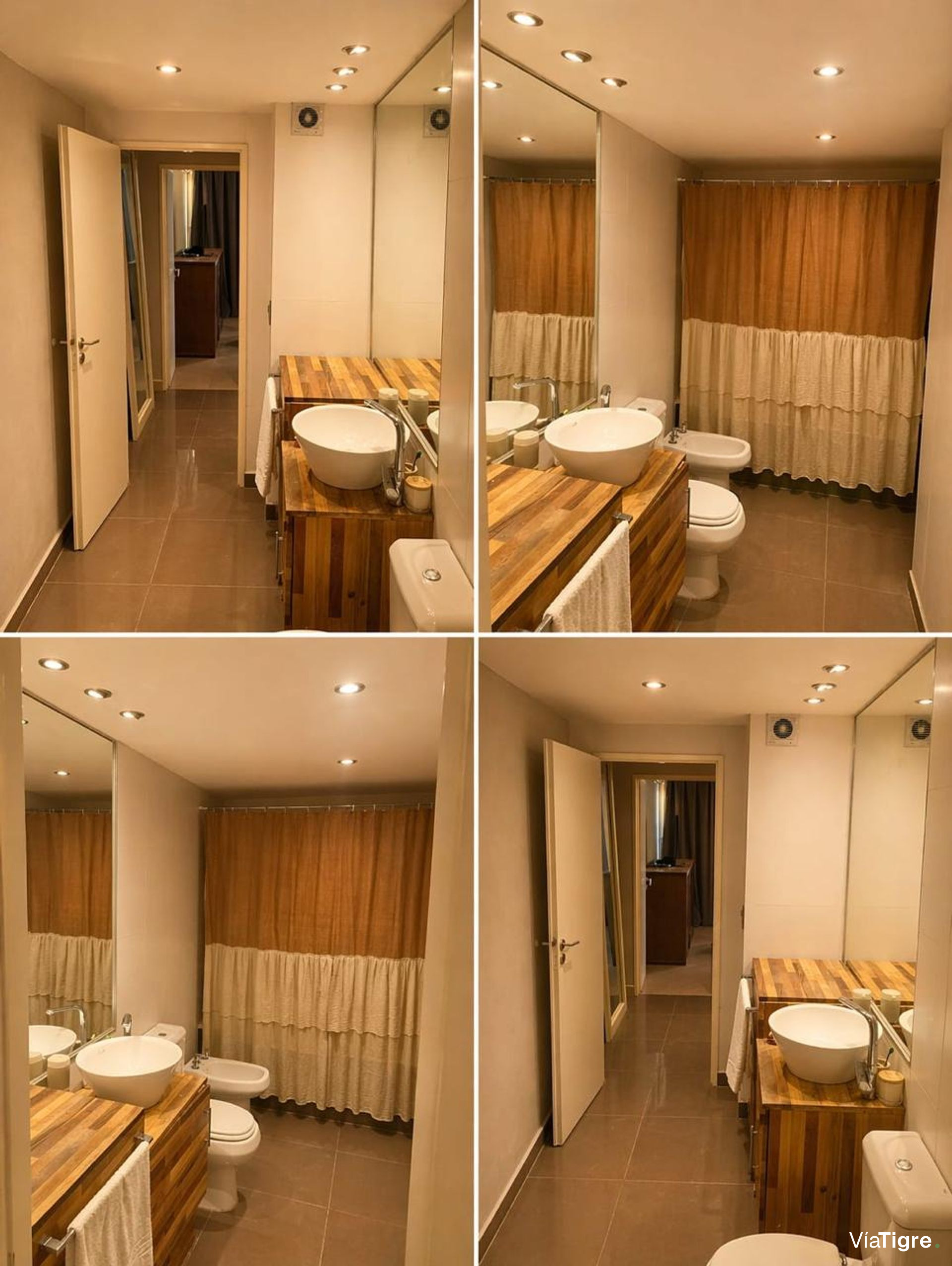
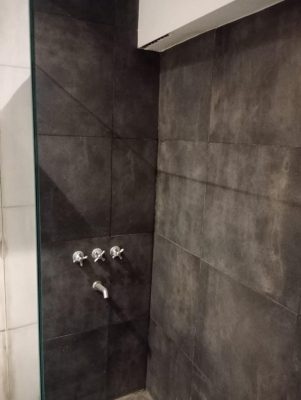
- Bathroom
- Kitchen
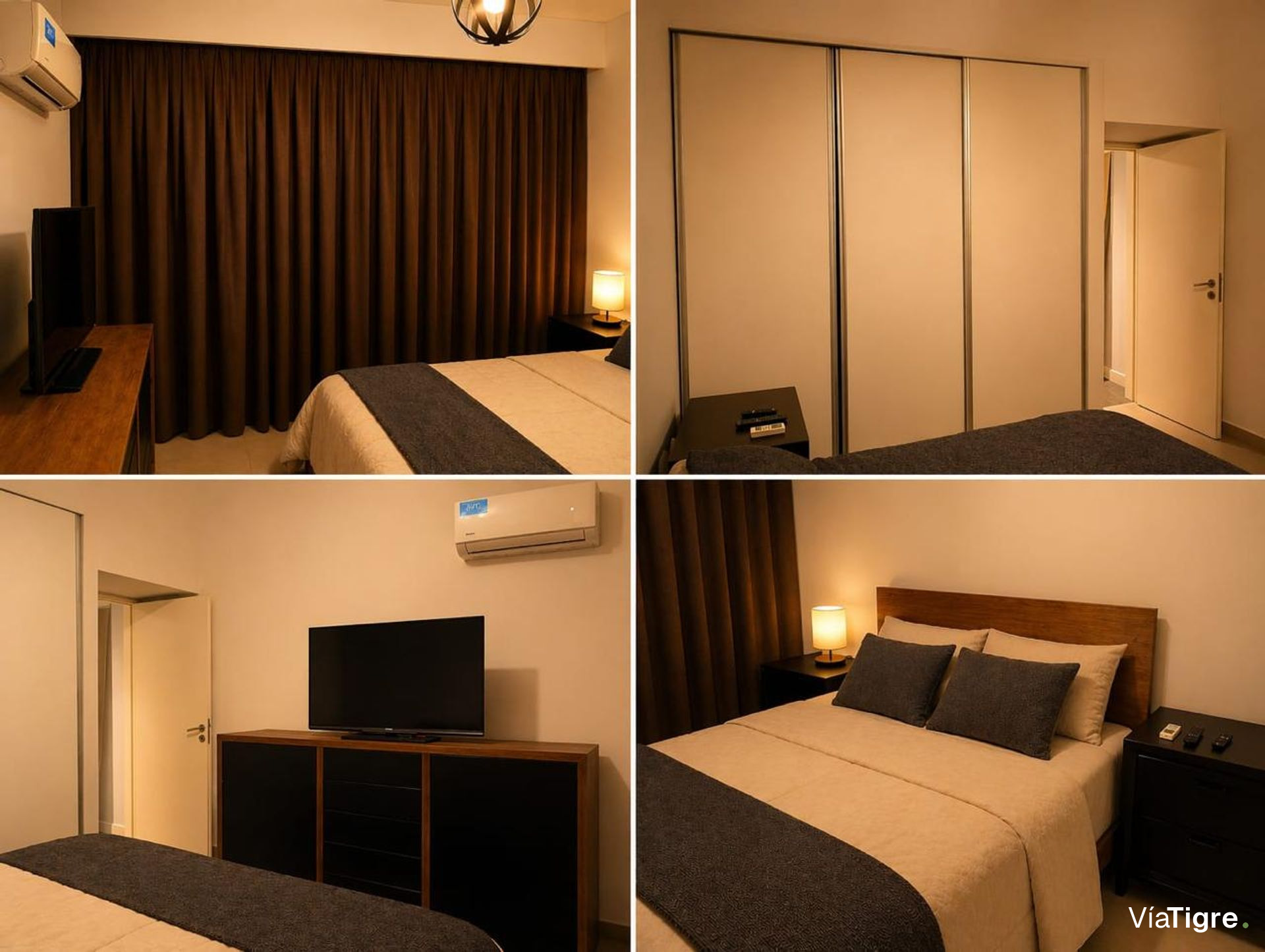
- Bedroom
- Playroom
Features
- Garage Access, Fixed Ramp
- West Facing
- Closets
Amenities
- Air Conditioning
- Elevator
- Boiler
- Water Tank
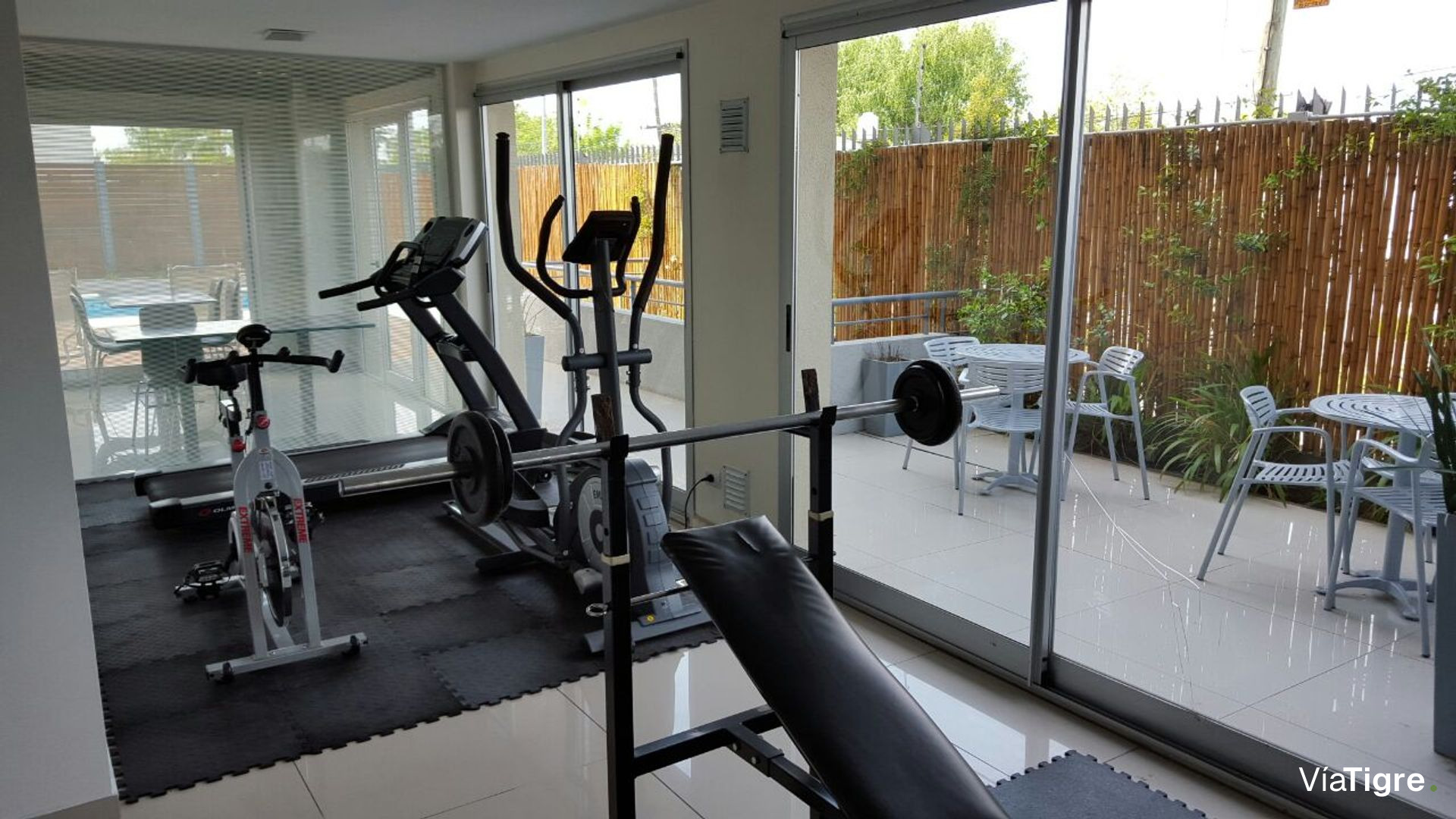
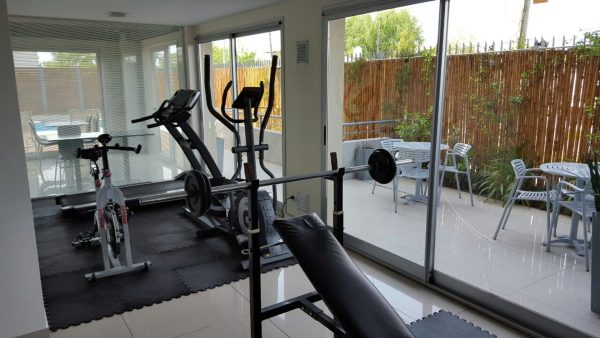
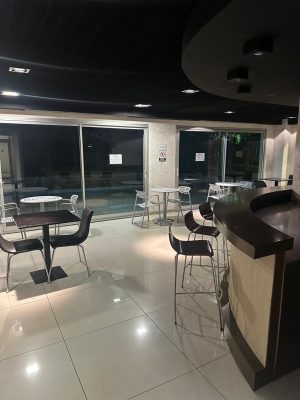
- Gym
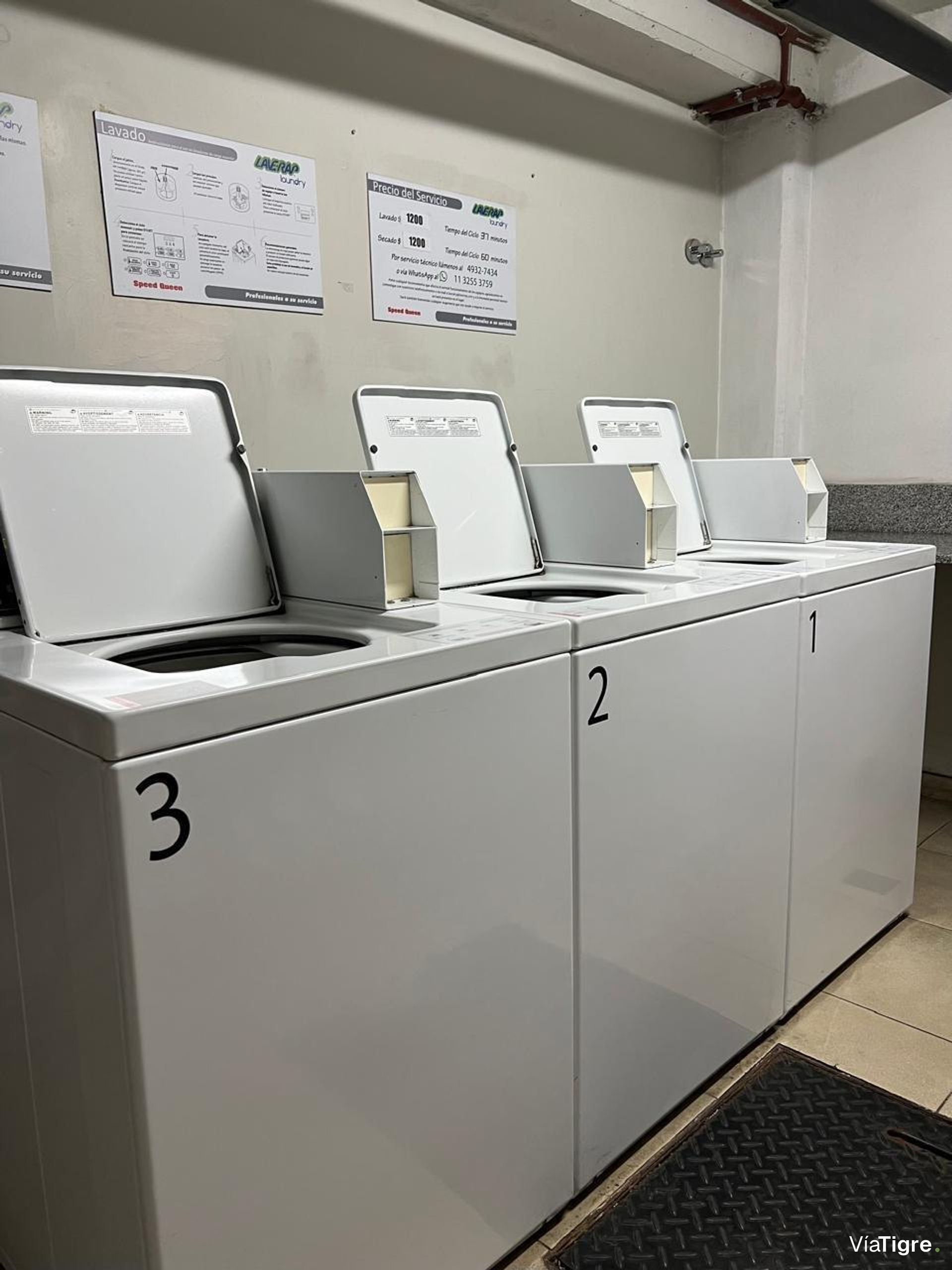
- Laundry
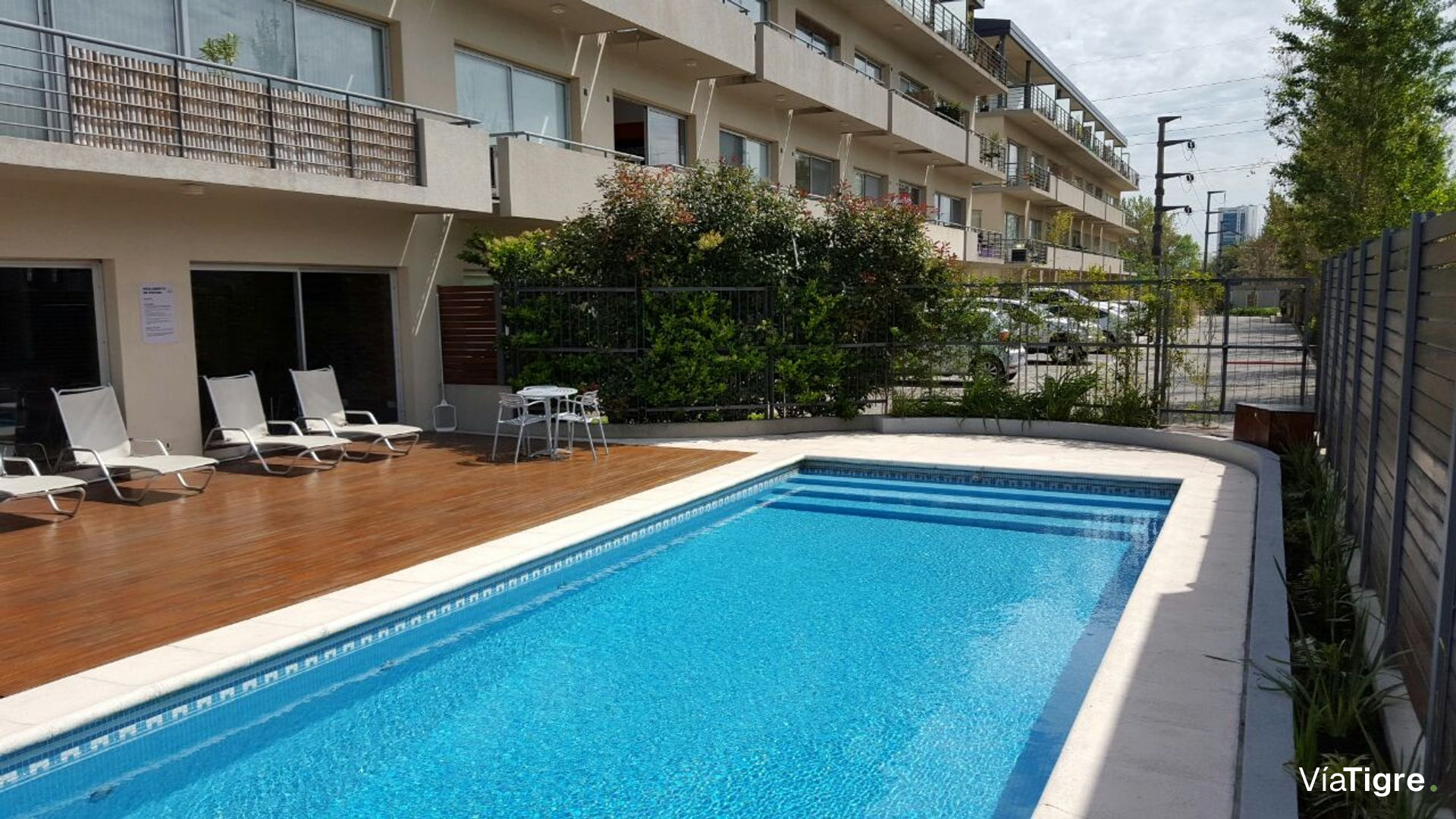
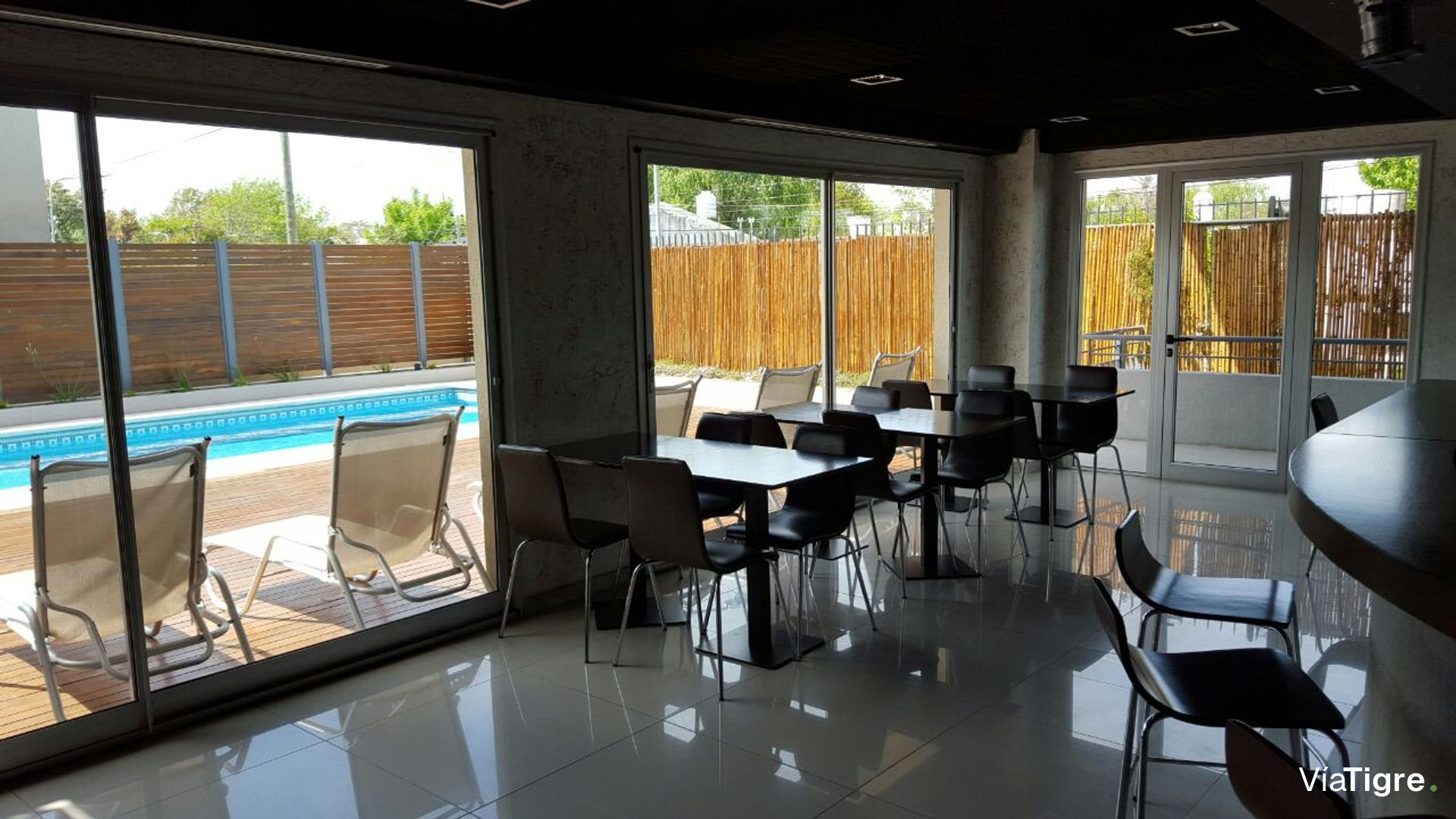
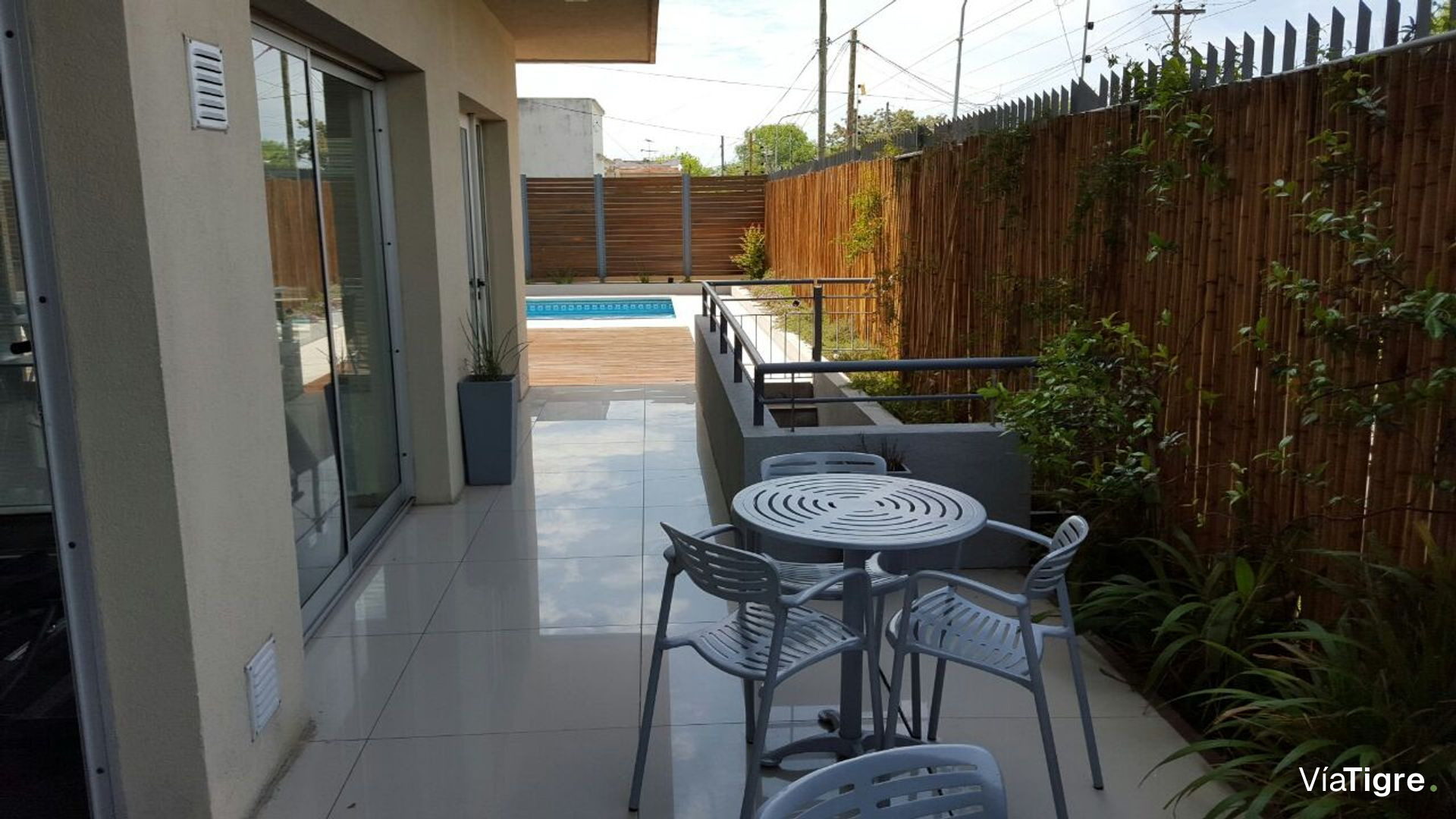
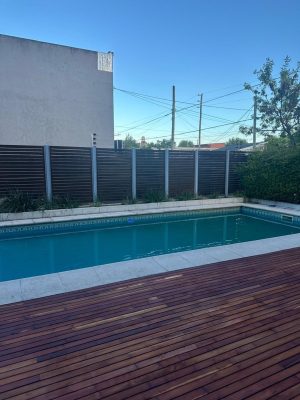
- Swimming Pool
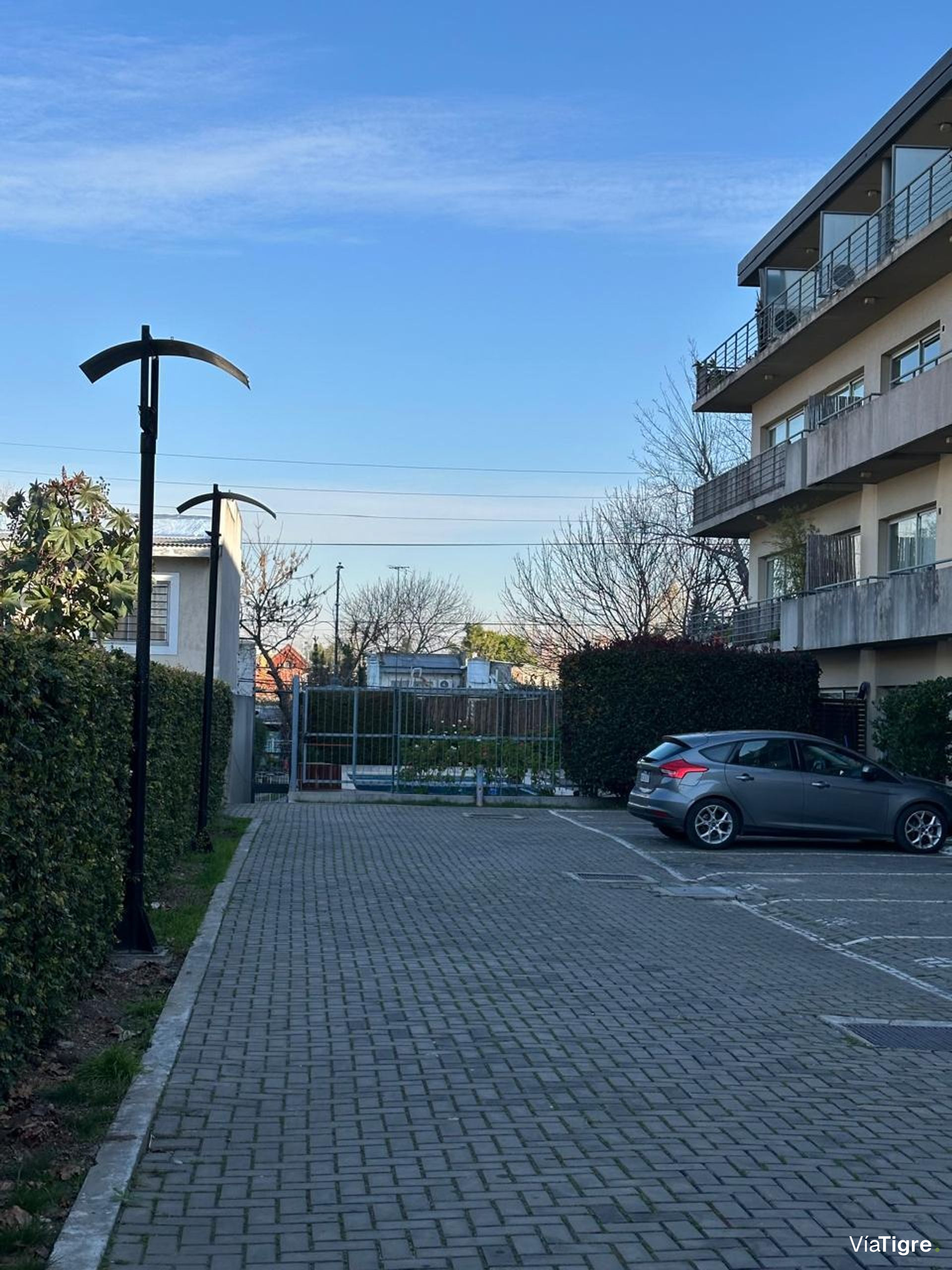
- Automatic Gate
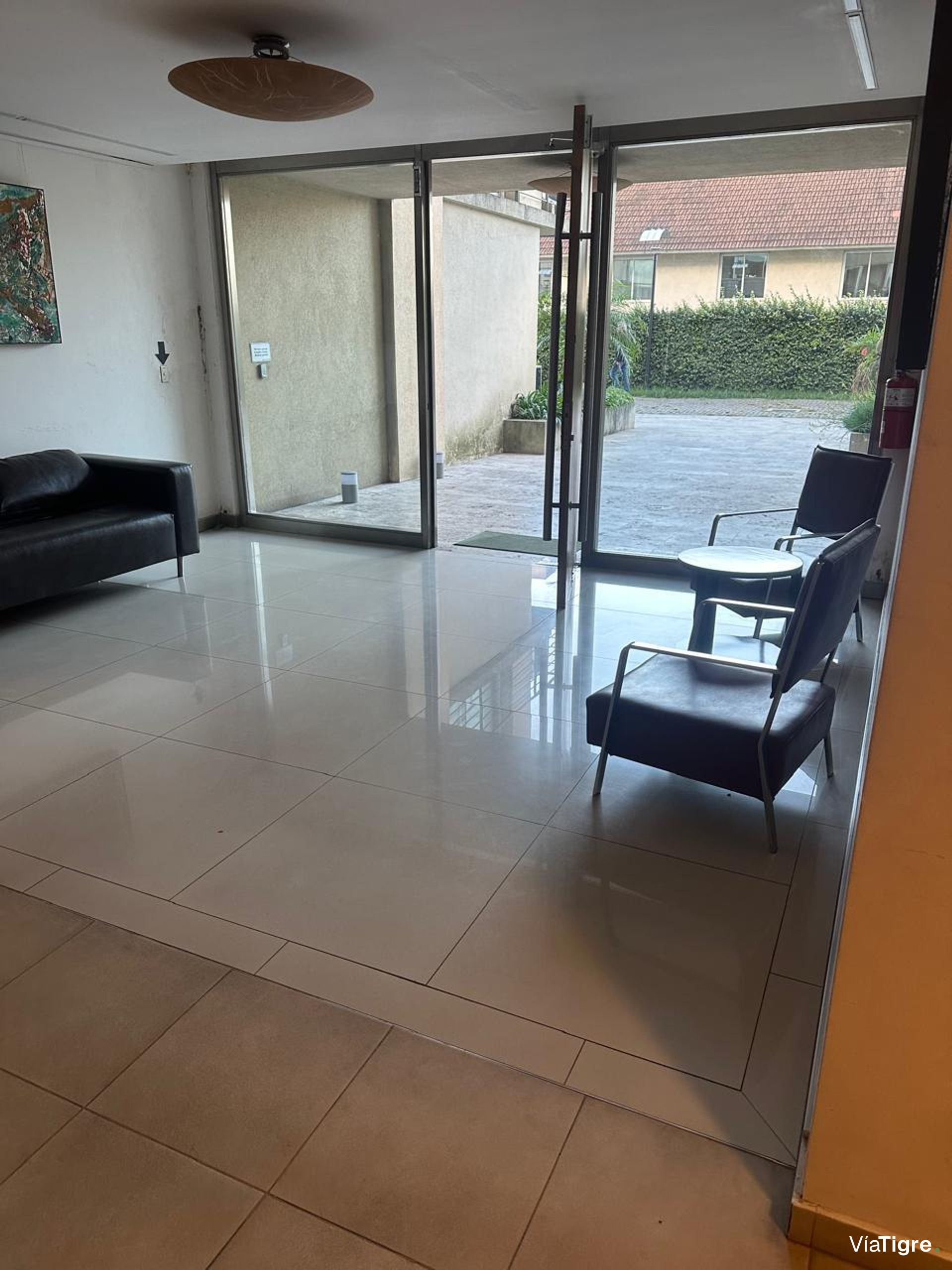
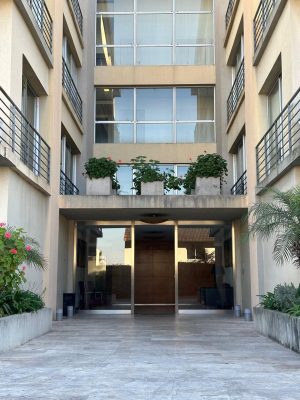
- Reception
- Security
Services
- Water
- Running Water
- Sewage
- Electricity
- Gas
- Internet
Property Description
The user wants me to translate an Argentine real estate description from Spanish to English. Let me analyze the requirements:
1. Plain text, no markdown
2. Property context: Apartment, For Sale, 2-bedroom apartment (from 3 total rooms/ambientes)
3. Glossary provided: pileta=pool, cochera=parking/garage, baulera=storage locker, PH=penthouse, expensas=HOA fees, CABA=City of Buenos Aires, con renta=income-producing
4. Translate only what is written. Do not add or infer missing data.
5. The text describes a 120 sqm apartment in Tigre Centro, on Montevideo street, 3rd floor of 4-level building built in 2012, good condition, quality finishes, contemporary design.
6. 3 rooms/ambientes with 2 bedrooms and 2 full bathrooms. Bright and spacious, integrated kitchen to living/dining room. Master bedroom and second versatile room. Balcony terrace approx 20 sqm. West orientation.
7. Building amenities: gym, pool, laundry, 24-hour security, elevator, reception, automatic gate. Property includes covered parking. Services: electricity, water, natural gas, internet, sewer drainage. Unit is suitable for mortgage/credit.
8. Location: privileged, meters from main access of Tigre, growing area, high real estate demand.
Important notes:
- "tres ambientes" should be handled carefully. The context says "This property has 2 bedroom(s) (from 3 total rooms/ambientes). Use '2-bedroom apartment' when referring to size." So I should refer to it as a 2-bedroom apartment, but the text says "se distribuye en tres ambientes" - I should translate this accurately. "Three rooms" or "three living spaces" but given the context, maybe "distributed across three rooms" or keep the concept. Actually, the instruction says "Use '2-bedroom apartment' when referring to size" - but also "Translate only what is written. Do not add or infer missing data." This is slightly contradictory. However, looking at the context, when the text refers to the size/type, I should use the specified terminology. But the text literally says "tres ambientes" - in Argentine real estate, "ambientes" means rooms (including living room). So "three rooms" is accurate. But the context note says to use "2-bedroom apartment" when referring to size. I think the safest approach is to translate "tres ambientes" as "three rooms" since that's what it literally says, but the overall property type is already given as 2-bedroom apartment in the context. Wait, the user says "This property has 2 bedroom(s) (from 3 total rooms/ambientes). Use '2-bedroom apartment' when referring to size." This might mean that if I were to describe the property type, use that phrase. But since I'm translating the text, I should translate what it says. However, the text itself says "se distribuye en tres ambientes" - I should translate this as "is distributed across three rooms" or "spans three rooms". I should not change "tres ambientes" to "2-bedroom" because that would be changing the text. The context note might just be informing me about the terminology for my understanding, or perhaps they want me to use "2-bedroom apartment" in the translation if there's a direct reference to the unit type. But the text doesn't explicitly say "es un departamento de dos dormitorios" as a standalone noun phrase describing the type; it says the distribution. Let me re-read carefully.
Wait, looking at the context again: "This property has 2 bedroom(s) (from 3 total rooms/ambientes). Use '2-bedroom apartment' when referring to size." This might mean that if the text says "departamento de tres ambientes" I should translate as "2-bedroom apartment" because in Argentine real estate, a 3-ambiente is typically a 2-bedroom. But the instruction also says "Translate only what is written. Do not add or infer missing data." Hmm. Actually, the property context says it has 2 bedrooms from 3 total rooms. This is just context for me. The text says "tres ambientes". If I translate "tres ambientes" as "three rooms", that's accurate. If I translate it as "2-bedroom", I'm inferring. But the context explicitly tells me to use "2-bedroom apartment" when referring to size. This is tricky.
Now for other terms:
- pileta = pool (in amenities: pileta ? pool)
- cochera = parking/garage (cochera cubierta ? covered parking space / covered garage spot / covered parking. The glossary says parking/garage. "covered parking" or "covered garage space". I'll use "covered parking space" or just "covered parking". The text says "una cochera cubierta dentro del predio" ? "a covered parking space within the property" or "covered parking".
- baulera = storage locker (not in text)
- PH = penthouse (not in text)
- expensas = HOA fees (not in text)
- CABA = City of Buenos Aires (not in text, though "Tigre" is not in CABA anyway)
- con renta = income-producing (not in text)
Other translation notes:
- "Tigre Centro" ? Tigre Centro (proper noun, keep as is, or "downtown Tigre"? The user said translate what is written. "Tigre Centro" is the neighborhood name.
1. Plain text, no markdown
2. Property context: Apartment, For Sale, 2-bedroom apartment (from 3 total rooms/ambientes)
3. Glossary provided: pileta=pool, cochera=parking/garage, baulera=storage locker, PH=penthouse, expensas=HOA fees, CABA=City of Buenos Aires, con renta=income-producing
4. Translate only what is written. Do not add or infer missing data.
5. The text describes a 120 sqm apartment in Tigre Centro, on Montevideo street, 3rd floor of 4-level building built in 2012, good condition, quality finishes, contemporary design.
6. 3 rooms/ambientes with 2 bedrooms and 2 full bathrooms. Bright and spacious, integrated kitchen to living/dining room. Master bedroom and second versatile room. Balcony terrace approx 20 sqm. West orientation.
7. Building amenities: gym, pool, laundry, 24-hour security, elevator, reception, automatic gate. Property includes covered parking. Services: electricity, water, natural gas, internet, sewer drainage. Unit is suitable for mortgage/credit.
8. Location: privileged, meters from main access of Tigre, growing area, high real estate demand.
Important notes:
- "tres ambientes" should be handled carefully. The context says "This property has 2 bedroom(s) (from 3 total rooms/ambientes). Use '2-bedroom apartment' when referring to size." So I should refer to it as a 2-bedroom apartment, but the text says "se distribuye en tres ambientes" - I should translate this accurately. "Three rooms" or "three living spaces" but given the context, maybe "distributed across three rooms" or keep the concept. Actually, the instruction says "Use '2-bedroom apartment' when referring to size" - but also "Translate only what is written. Do not add or infer missing data." This is slightly contradictory. However, looking at the context, when the text refers to the size/type, I should use the specified terminology. But the text literally says "tres ambientes" - in Argentine real estate, "ambientes" means rooms (including living room). So "three rooms" is accurate. But the context note says to use "2-bedroom apartment" when referring to size. I think the safest approach is to translate "tres ambientes" as "three rooms" since that's what it literally says, but the overall property type is already given as 2-bedroom apartment in the context. Wait, the user says "This property has 2 bedroom(s) (from 3 total rooms/ambientes). Use '2-bedroom apartment' when referring to size." This might mean that if I were to describe the property type, use that phrase. But since I'm translating the text, I should translate what it says. However, the text itself says "se distribuye en tres ambientes" - I should translate this as "is distributed across three rooms" or "spans three rooms". I should not change "tres ambientes" to "2-bedroom" because that would be changing the text. The context note might just be informing me about the terminology for my understanding, or perhaps they want me to use "2-bedroom apartment" in the translation if there's a direct reference to the unit type. But the text doesn't explicitly say "es un departamento de dos dormitorios" as a standalone noun phrase describing the type; it says the distribution. Let me re-read carefully.
Wait, looking at the context again: "This property has 2 bedroom(s) (from 3 total rooms/ambientes). Use '2-bedroom apartment' when referring to size." This might mean that if the text says "departamento de tres ambientes" I should translate as "2-bedroom apartment" because in Argentine real estate, a 3-ambiente is typically a 2-bedroom. But the instruction also says "Translate only what is written. Do not add or infer missing data." Hmm. Actually, the property context says it has 2 bedrooms from 3 total rooms. This is just context for me. The text says "tres ambientes". If I translate "tres ambientes" as "three rooms", that's accurate. If I translate it as "2-bedroom", I'm inferring. But the context explicitly tells me to use "2-bedroom apartment" when referring to size. This is tricky.
Now for other terms:
- pileta = pool (in amenities: pileta ? pool)
- cochera = parking/garage (cochera cubierta ? covered parking space / covered garage spot / covered parking. The glossary says parking/garage. "covered parking" or "covered garage space". I'll use "covered parking space" or just "covered parking". The text says "una cochera cubierta dentro del predio" ? "a covered parking space within the property" or "covered parking".
- baulera = storage locker (not in text)
- PH = penthouse (not in text)
- expensas = HOA fees (not in text)
- CABA = City of Buenos Aires (not in text, though "Tigre" is not in CABA anyway)
- con renta = income-producing (not in text)
Other translation notes:
- "Tigre Centro" ? Tigre Centro (proper noun, keep as is, or "downtown Tigre"? The user said translate what is written. "Tigre Centro" is the neighborhood name.
Location & Surroundings
Tigre · Tigre