
1-Bedroom With Patio Florida Station
Propiedades Residenciales in Florida · Vicente Lopez
Sale
Credit Eligible
Price
USD99.500
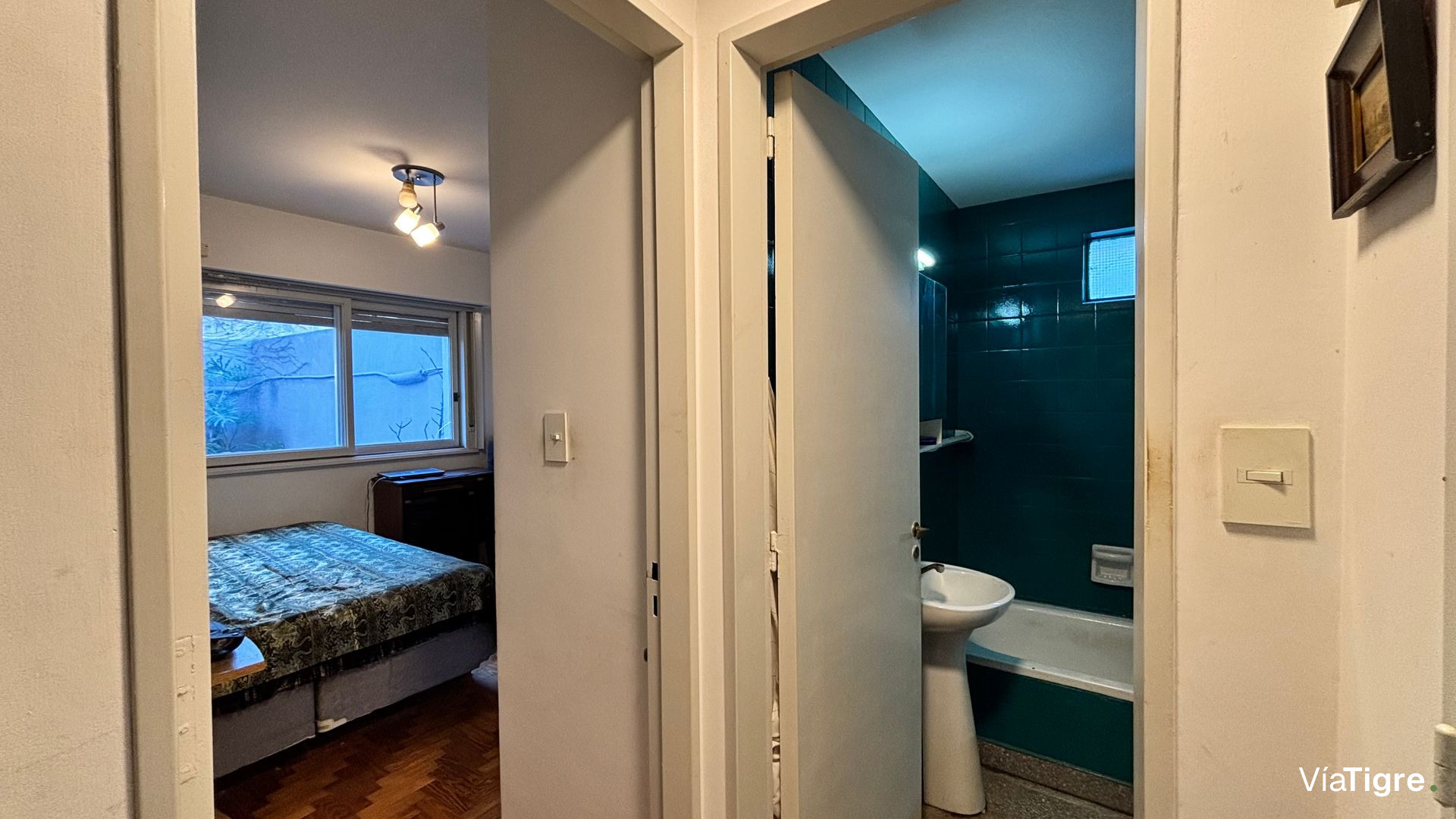
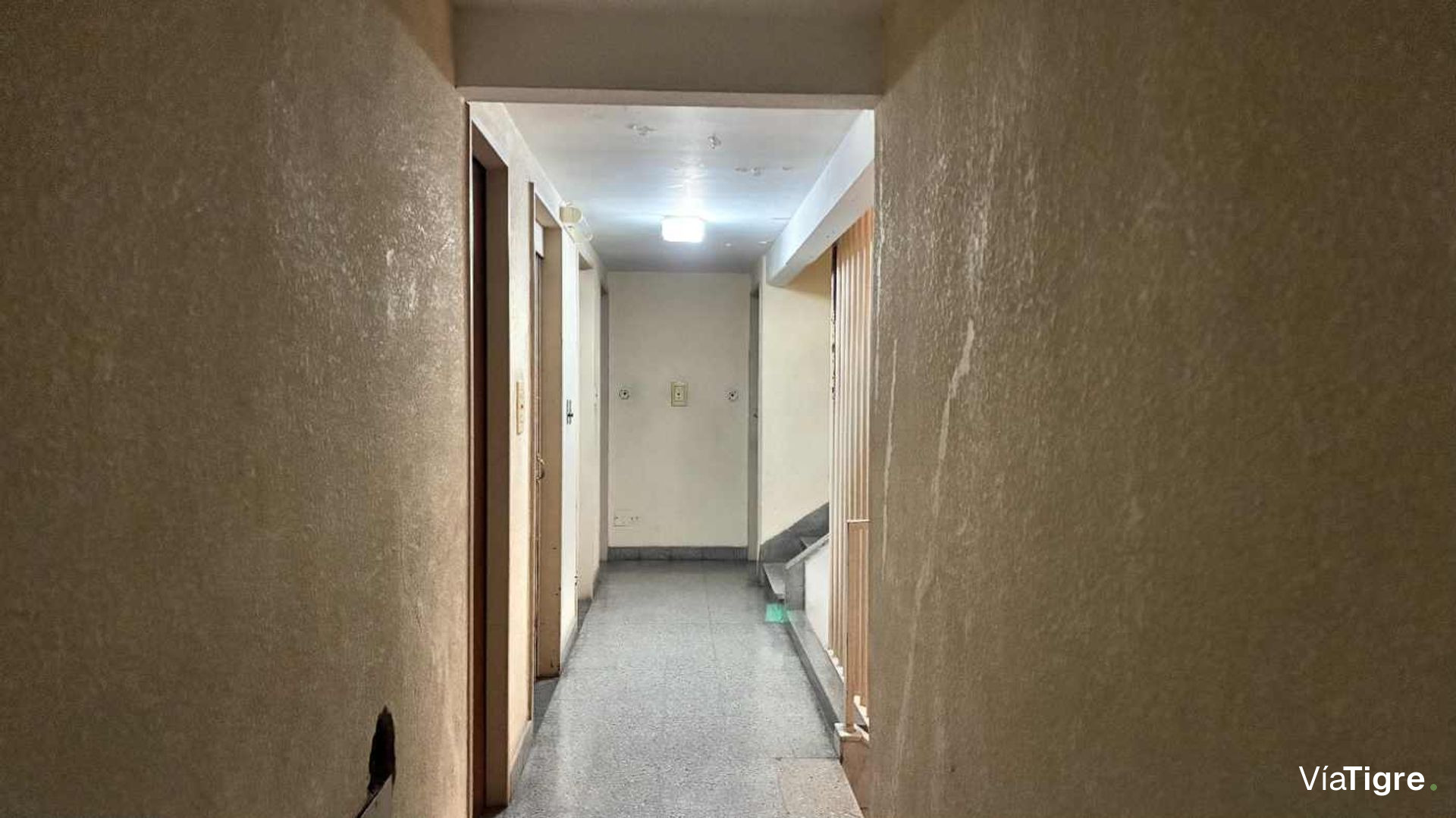
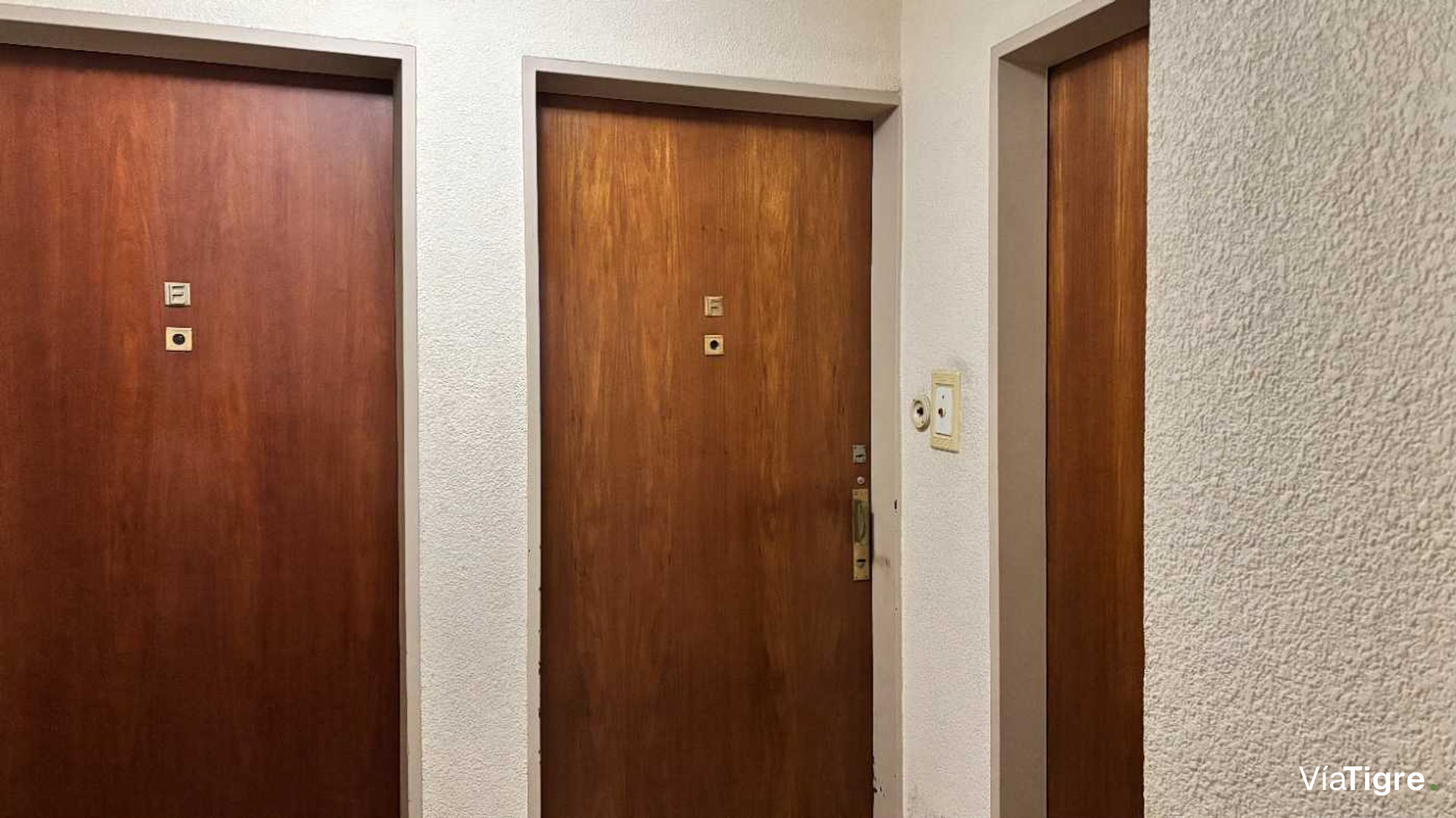
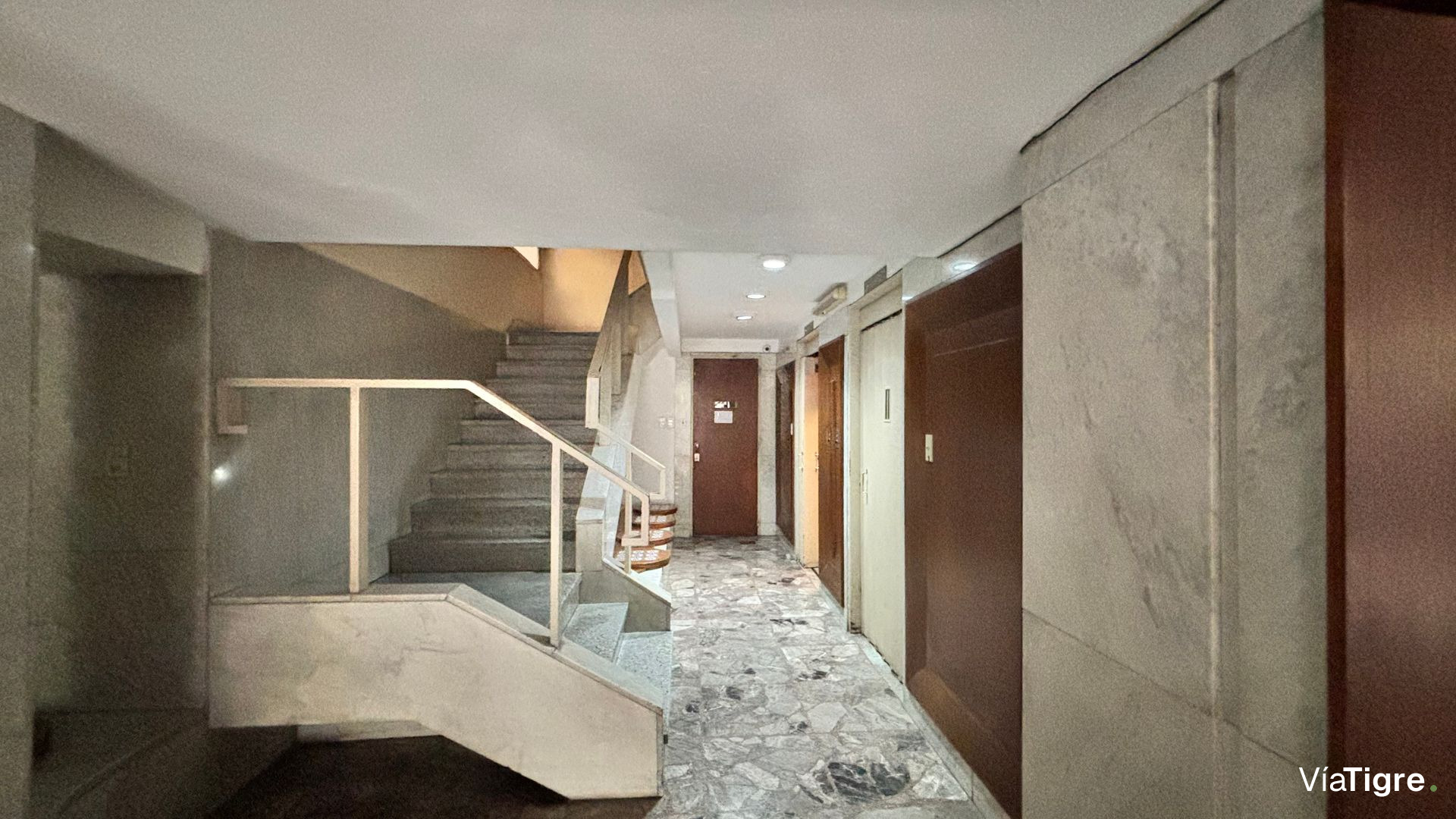
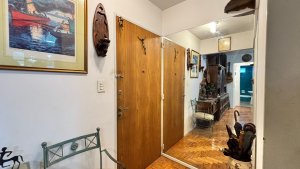
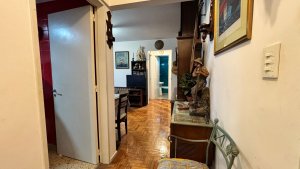
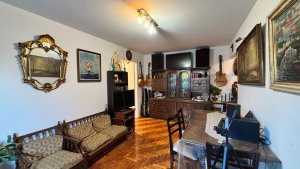
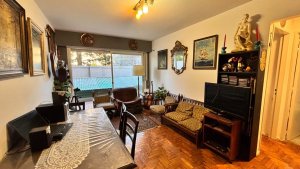
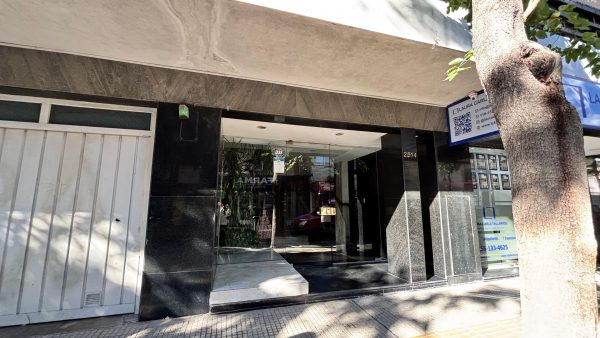
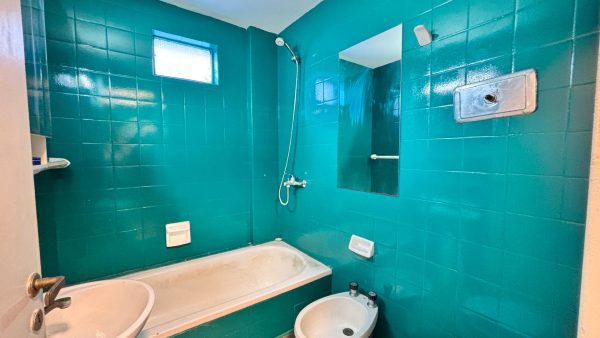
Key information
Total area
100 m²
Covered
47 m²
Rooms
2
Bedrooms
1
Bathrooms
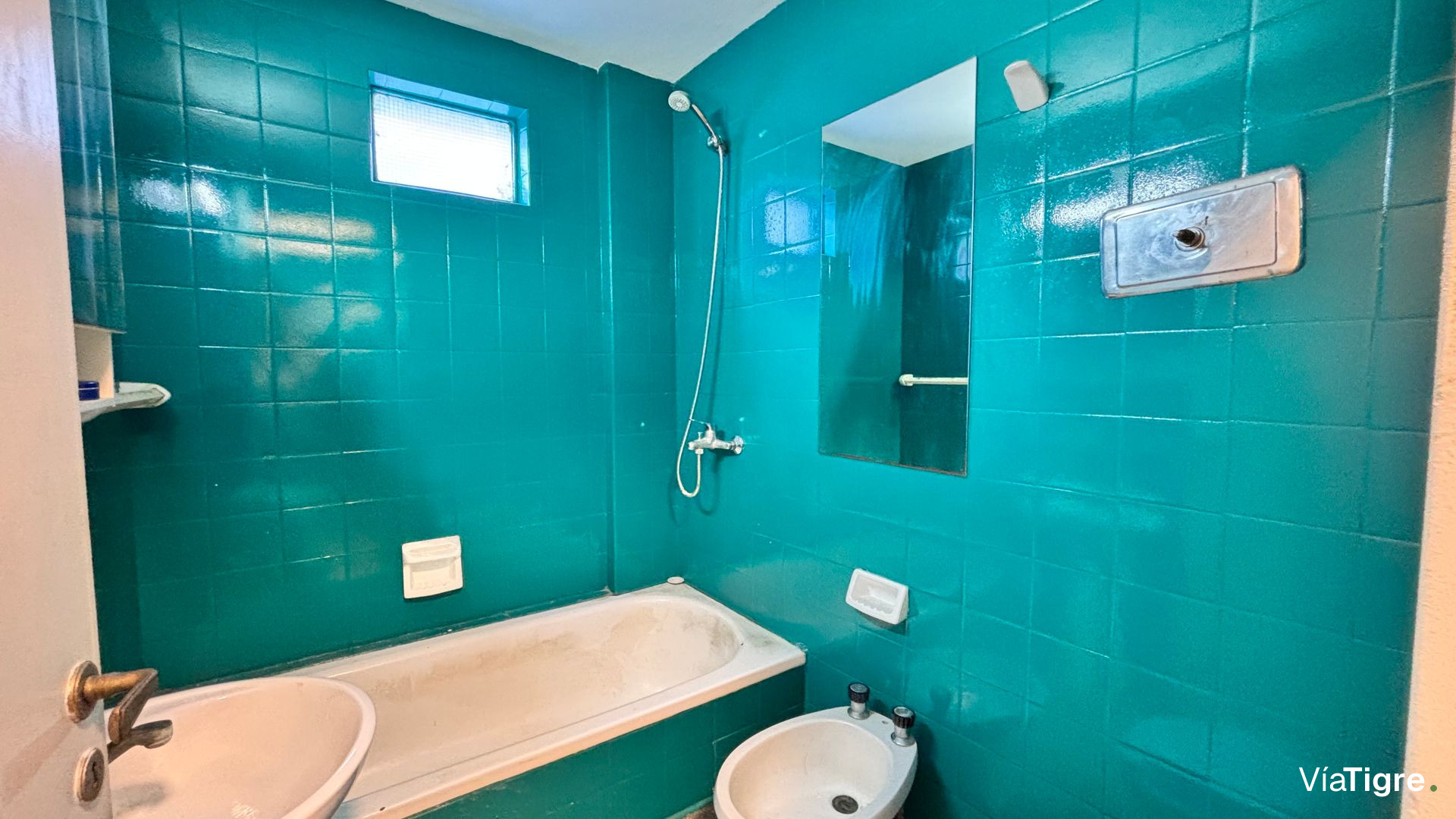
1
Operation
Sale
Property type
Departamento Estándar
Credit Eligible
Yes
Amenities & Features
Rooms
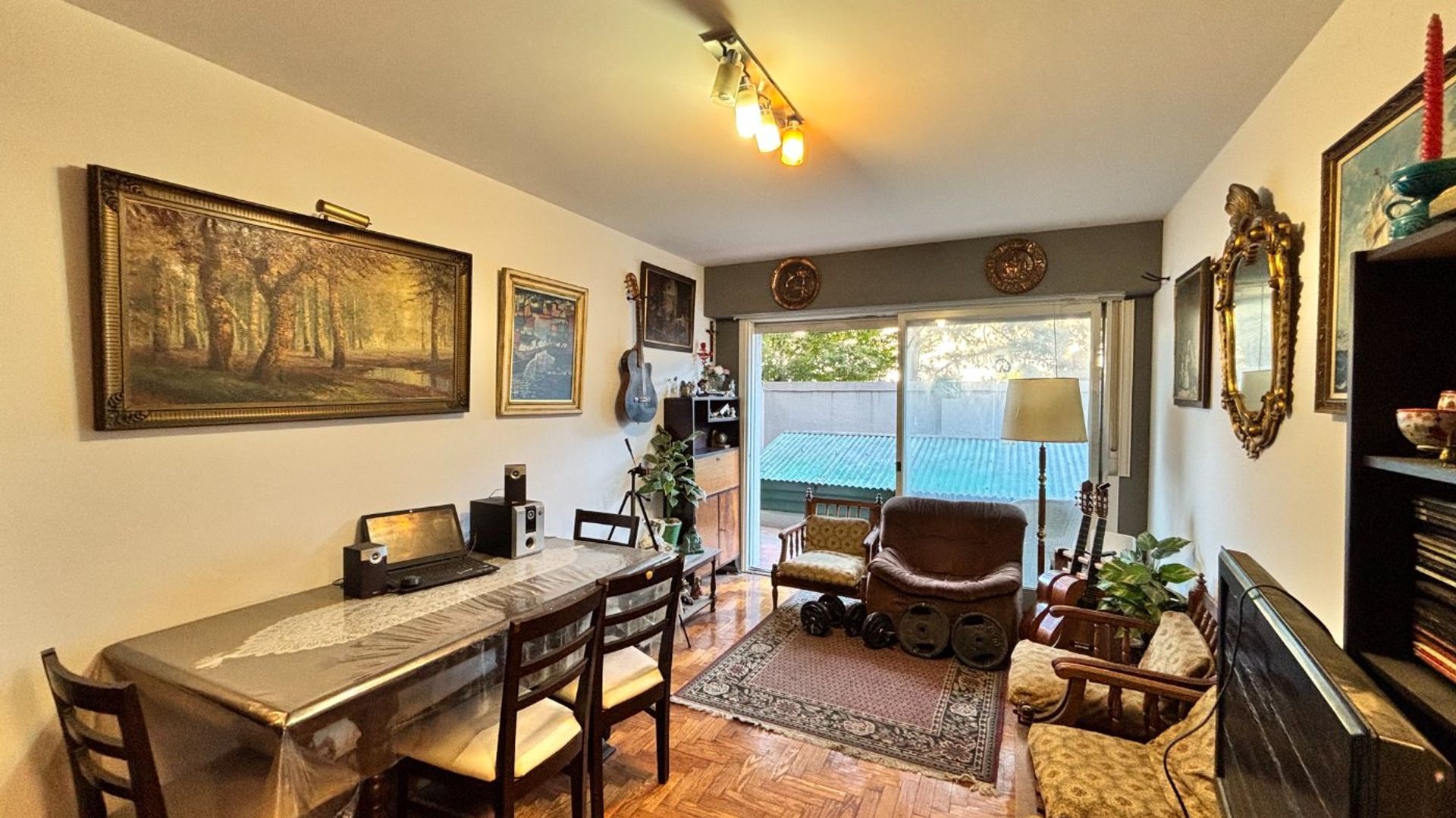
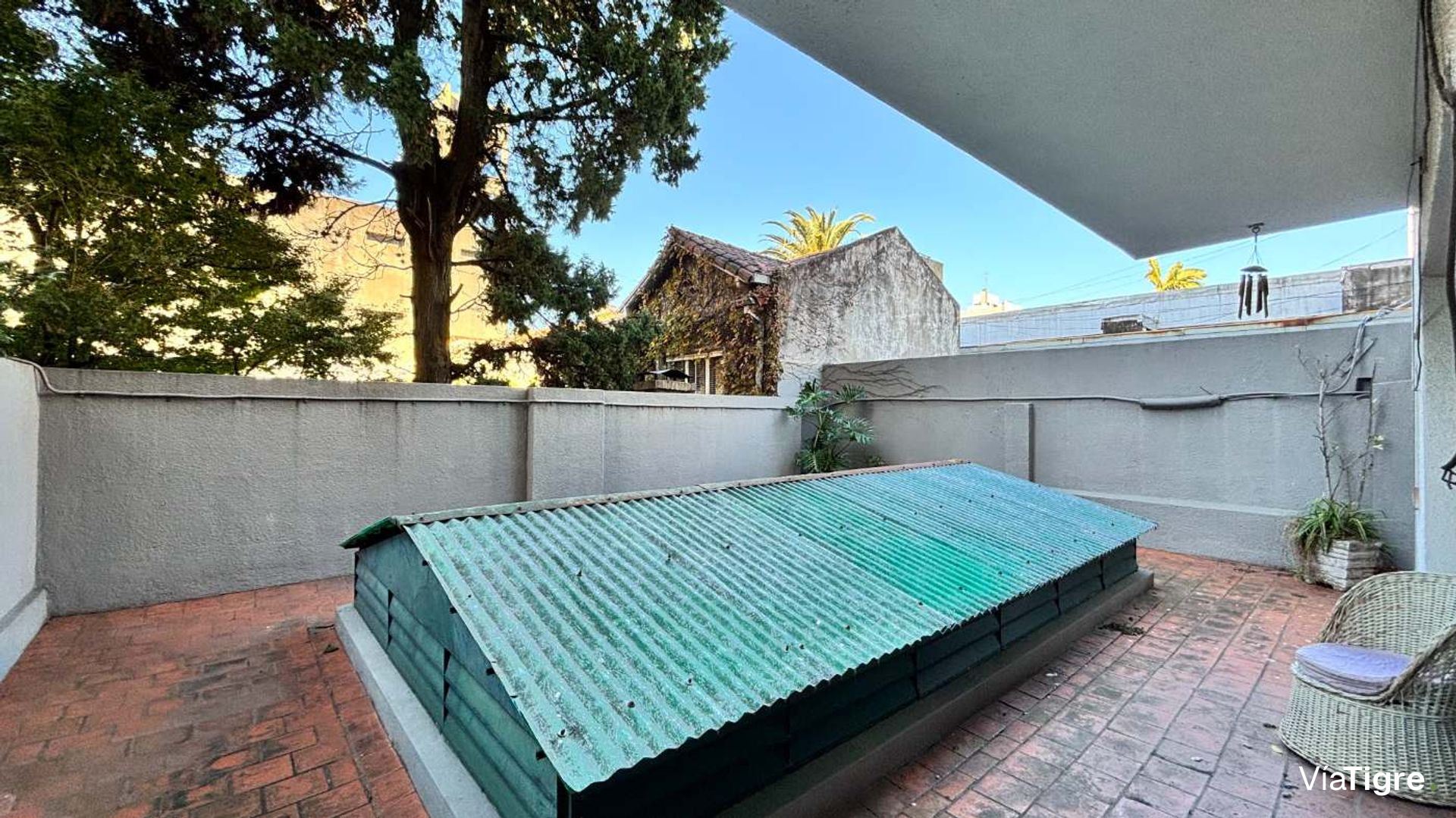
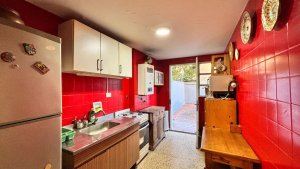
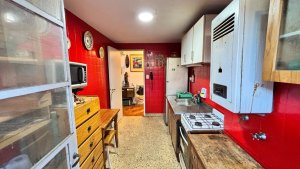
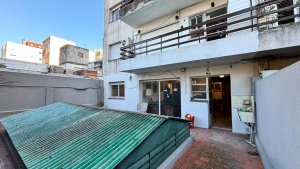
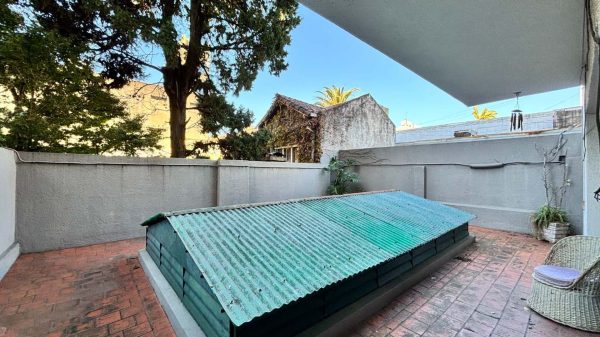
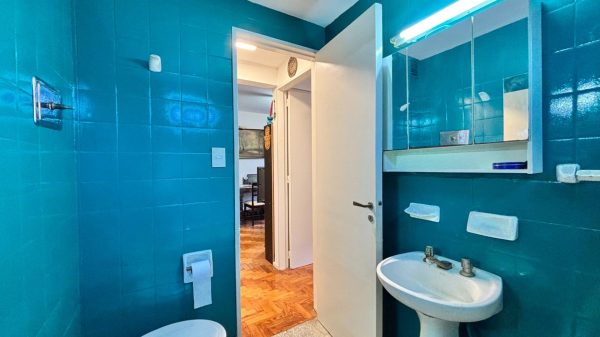
- Patio
Features
- Storage Room
- Back Facing
- Pet Friendly
Property Description
The user wants me to translate an Argentine real estate description from Spanish to English. Let me review the constraints and context:
1. Property type: Apartment
2. Operation: For Sale
3. 1 bedroom from 2 total rooms/ambientes. Use '1-bedroom apartment' when referring to size.
4. Glossary provided: pileta=pool, cochera=parking/garage, baulera=storage locker, PH=penthouse, expensas=HOA fees, CABA=City of Buenos Aires, con renta=income-producing.
5. Translate only what is written. Do not add or infer missing data.
6. Plain text, no markdown.
Original text analysis:
- "Departamento de dos ambientes en venta ubicado en Florida, Buenos Aires." -1-bedroom apartment for sale located in Florida, Buenos Aires. (Note: "dos ambientes" means 2 rooms total, which per context = 1 bedroom. So I should use "1-bedroom apartment" when referring to size, but the text says "Departamento de dos ambientes" which describes the size. Since the context says "Use '1-bedroom apartment' when referring to size", I should translate this as "1-bedroom apartment for sale located in Florida, Buenos Aires.")
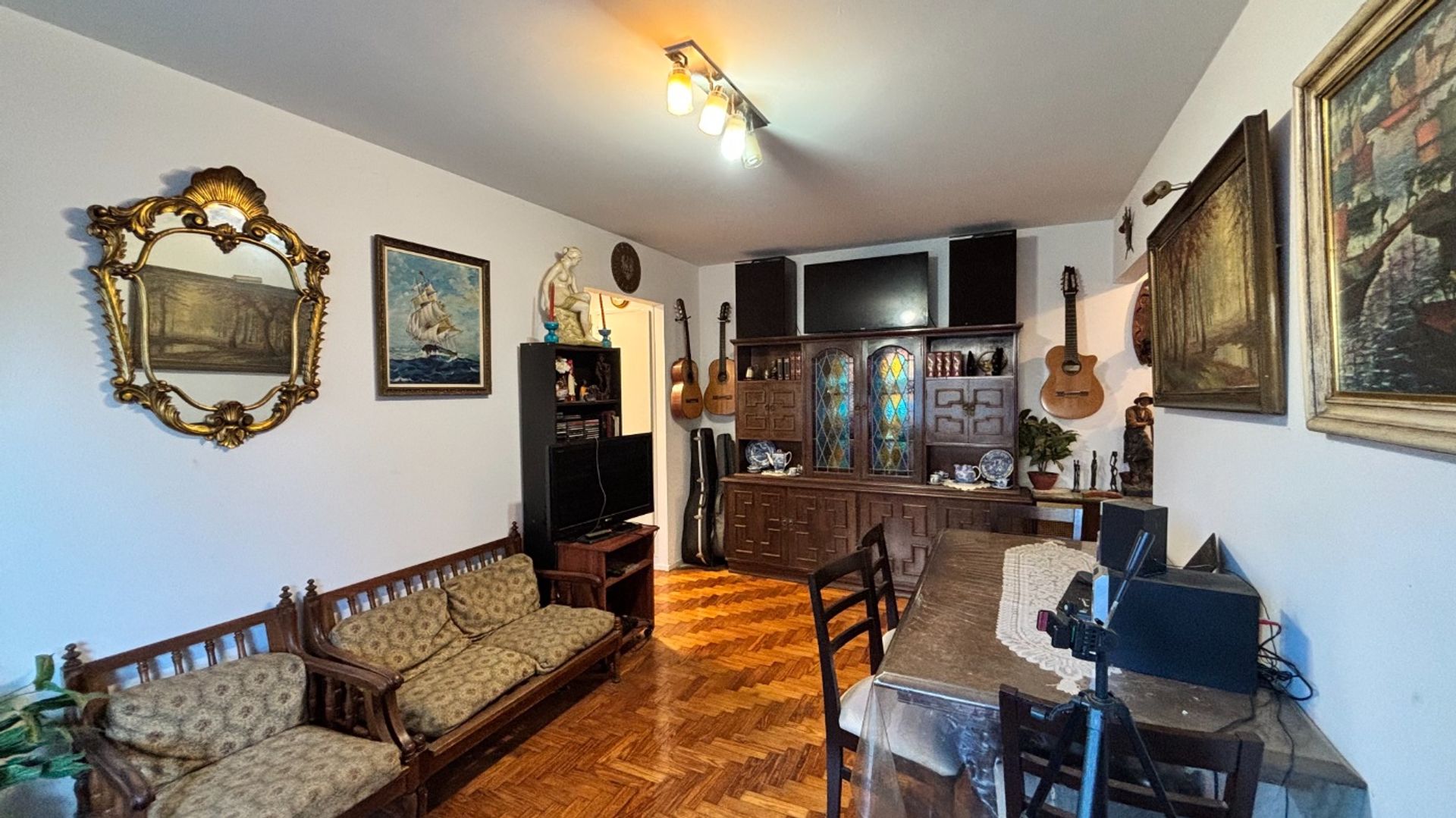
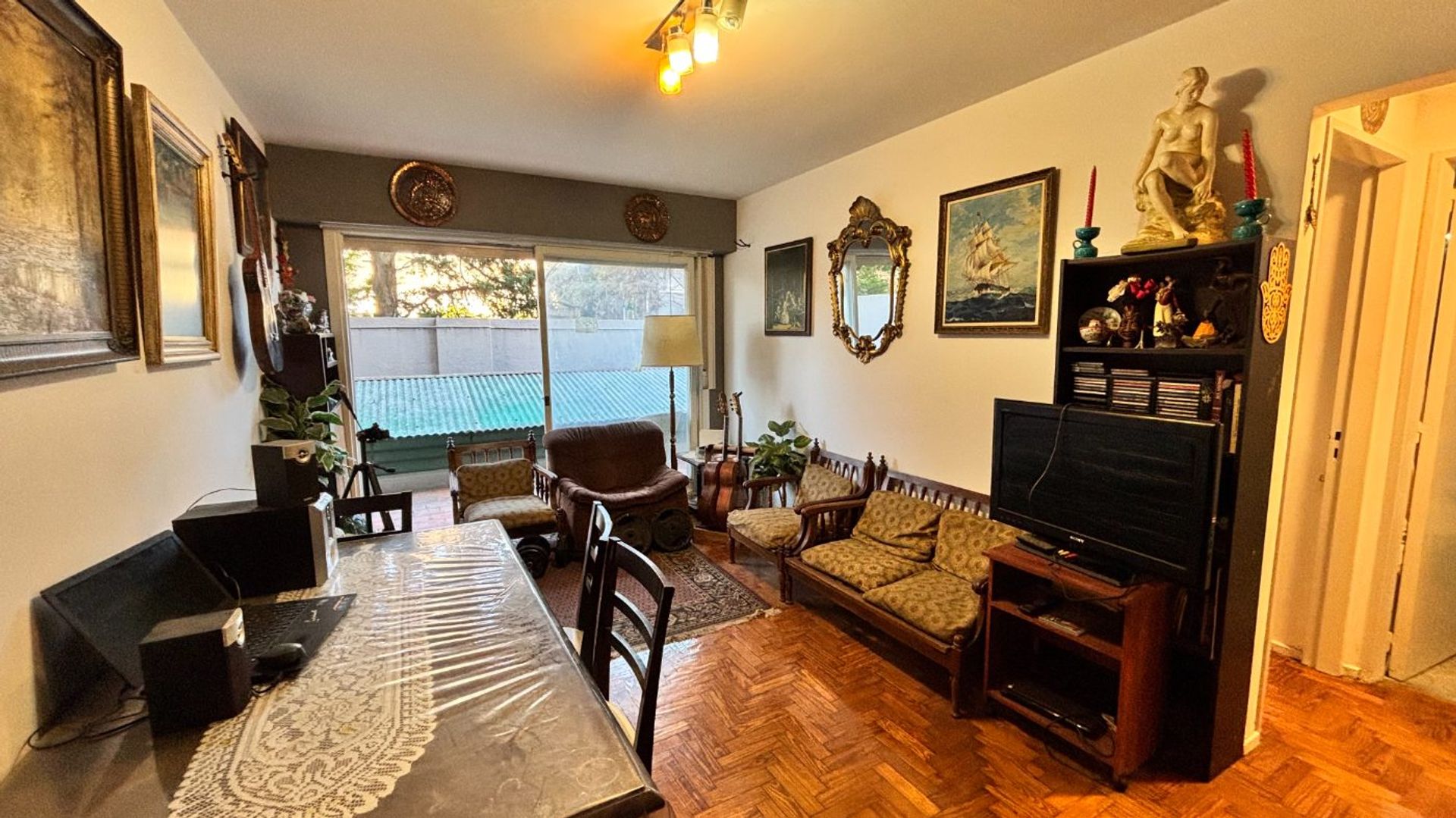
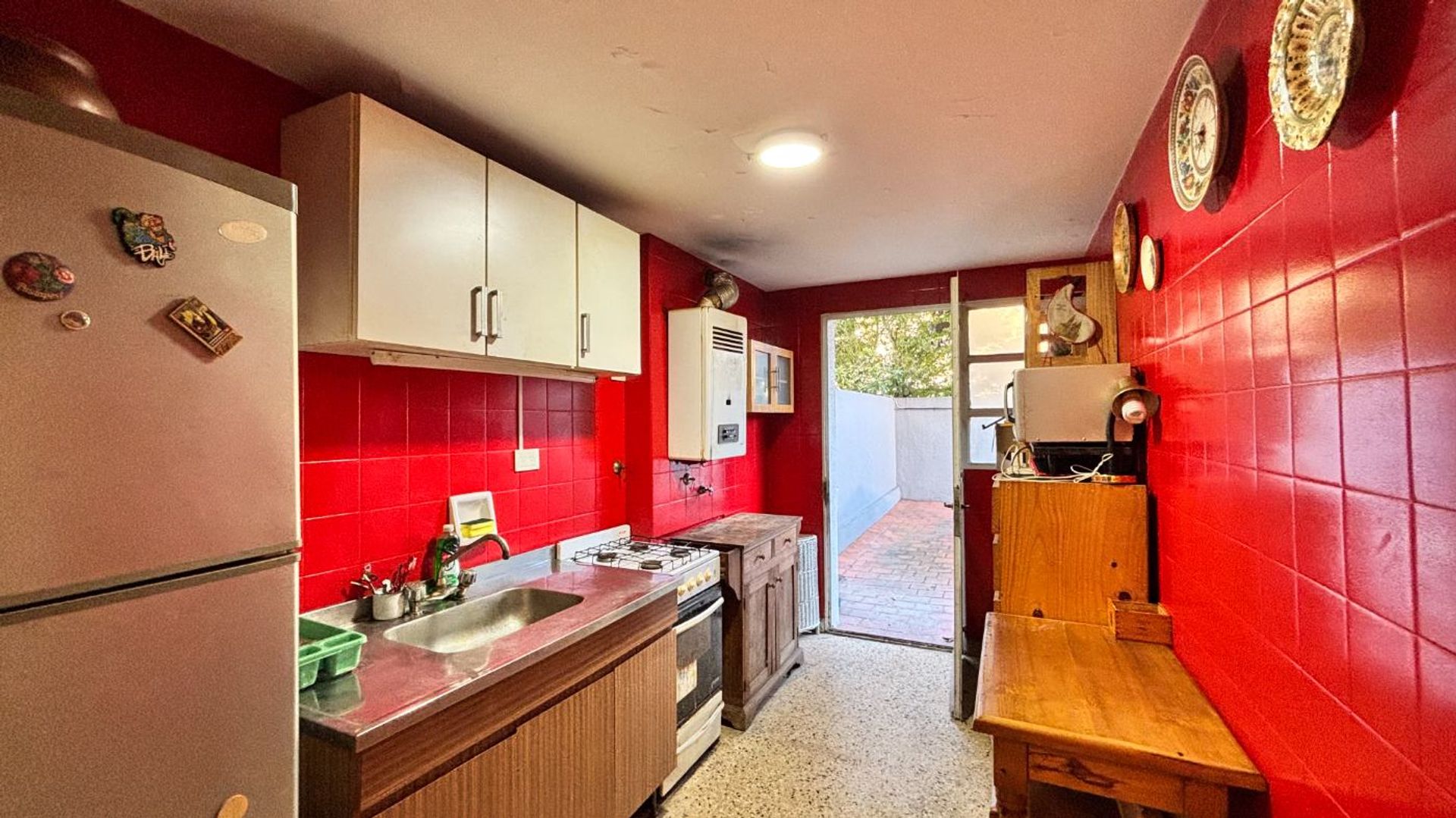
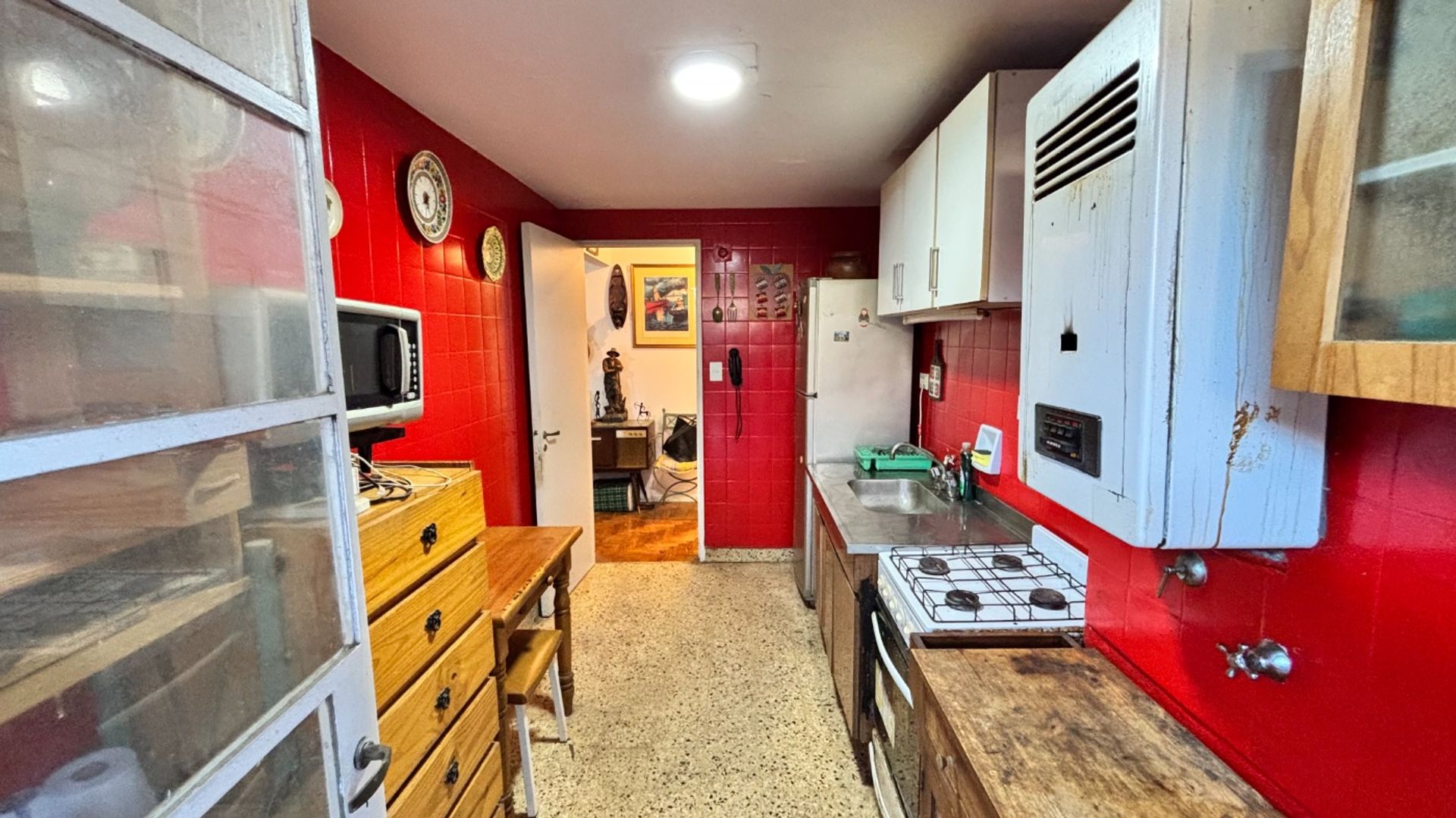
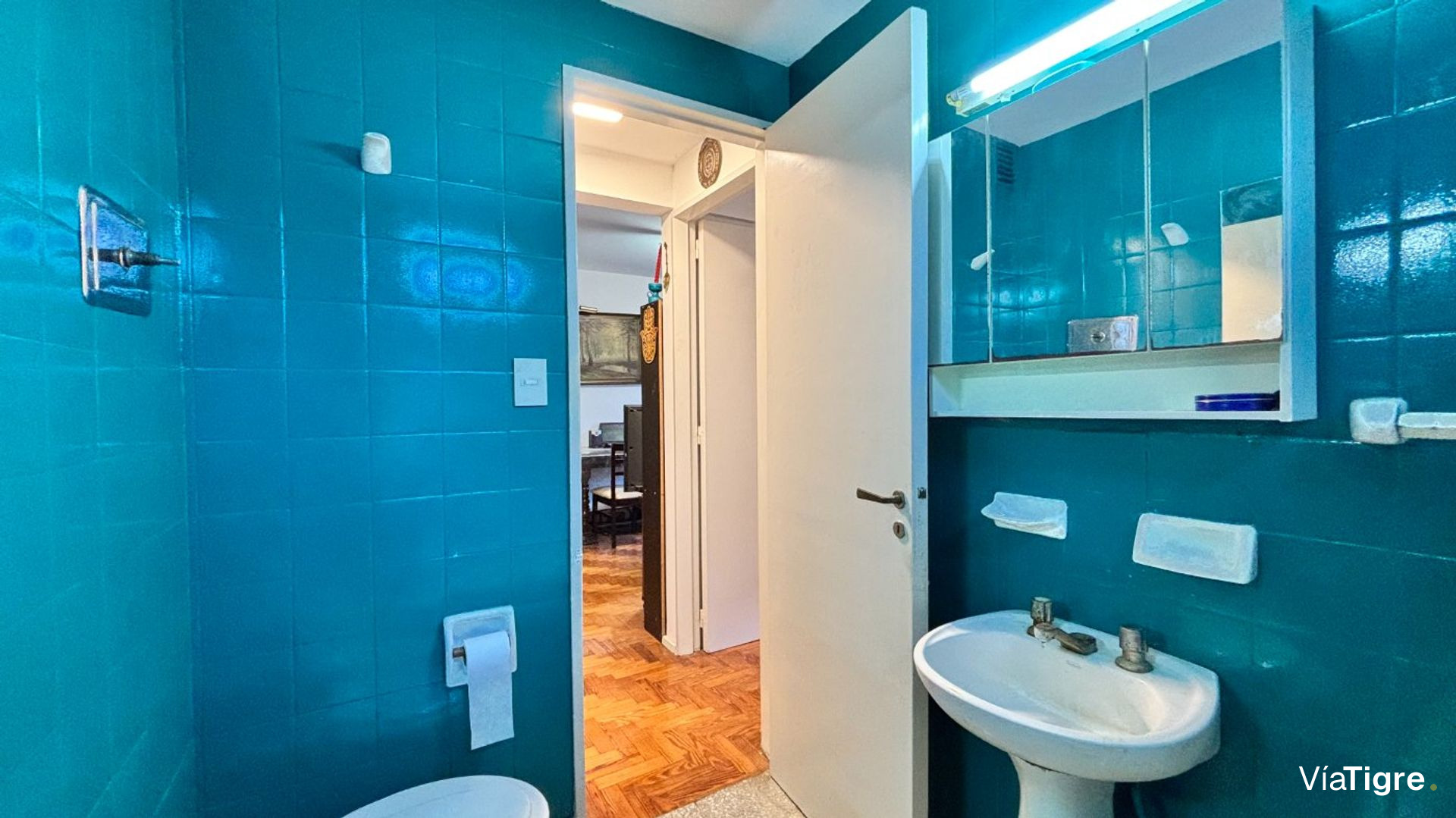
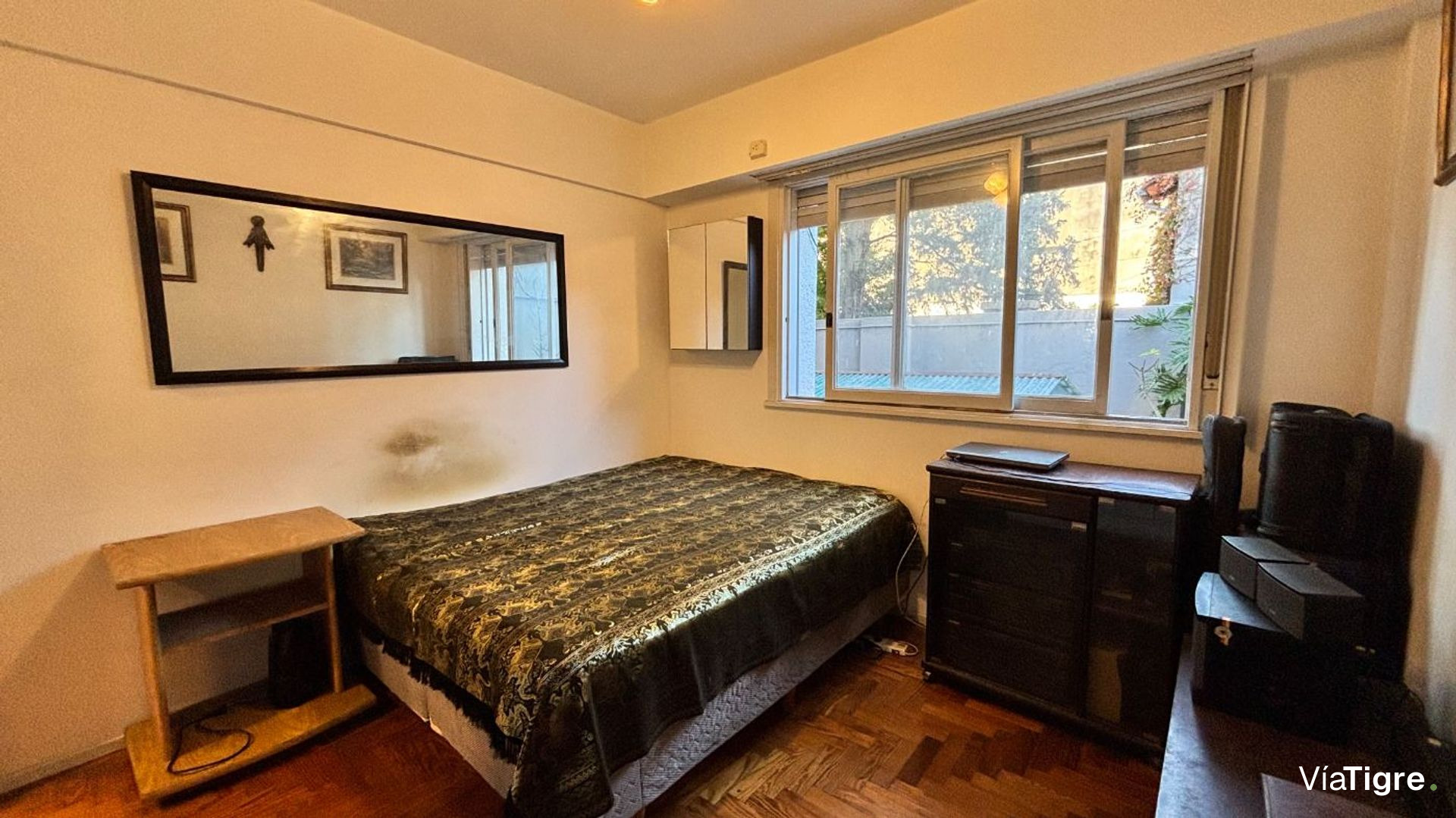
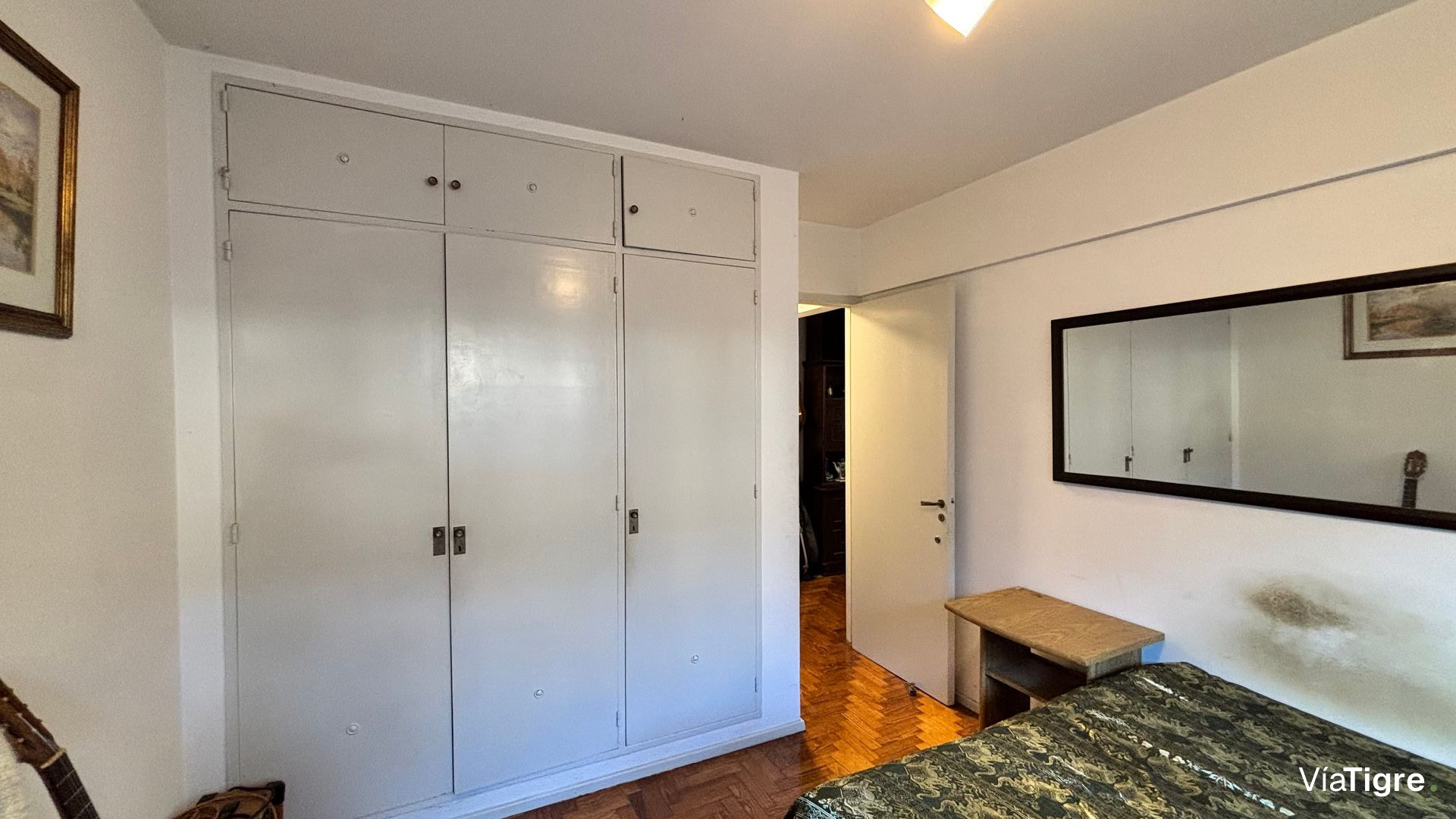
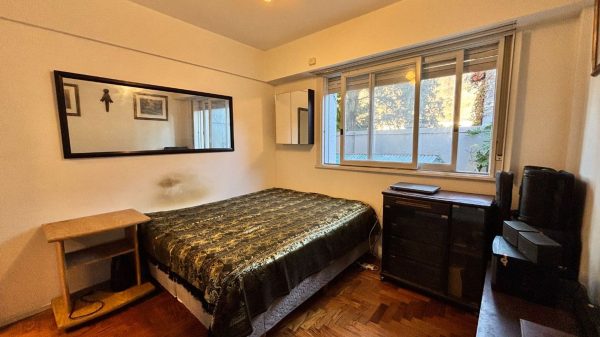
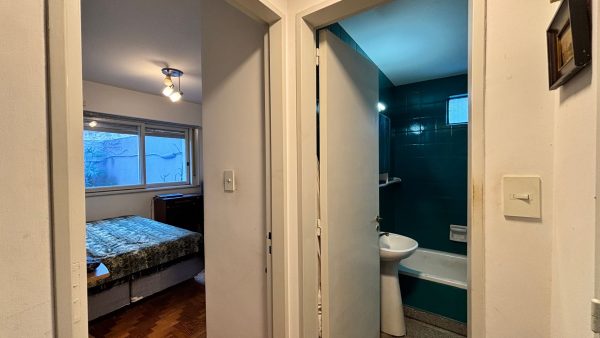
- "La unidad cuenta con 48 metros cuadrados cubiertos, 7 metros semicubiertos y 46 metros descubiertos, distribuidos en un ambiente principal, una habitación y un baño completo." -The unit has 48 square meters covered, 7 semi-covered and 46 uncovered, distributed in a main room, a bedroom and a full bathroom. (Note: "ambiente principal" = main room/living room, "habitación" = bedroom. Since it's a 2 ambientes, one is the living room and one is the bedroom.)
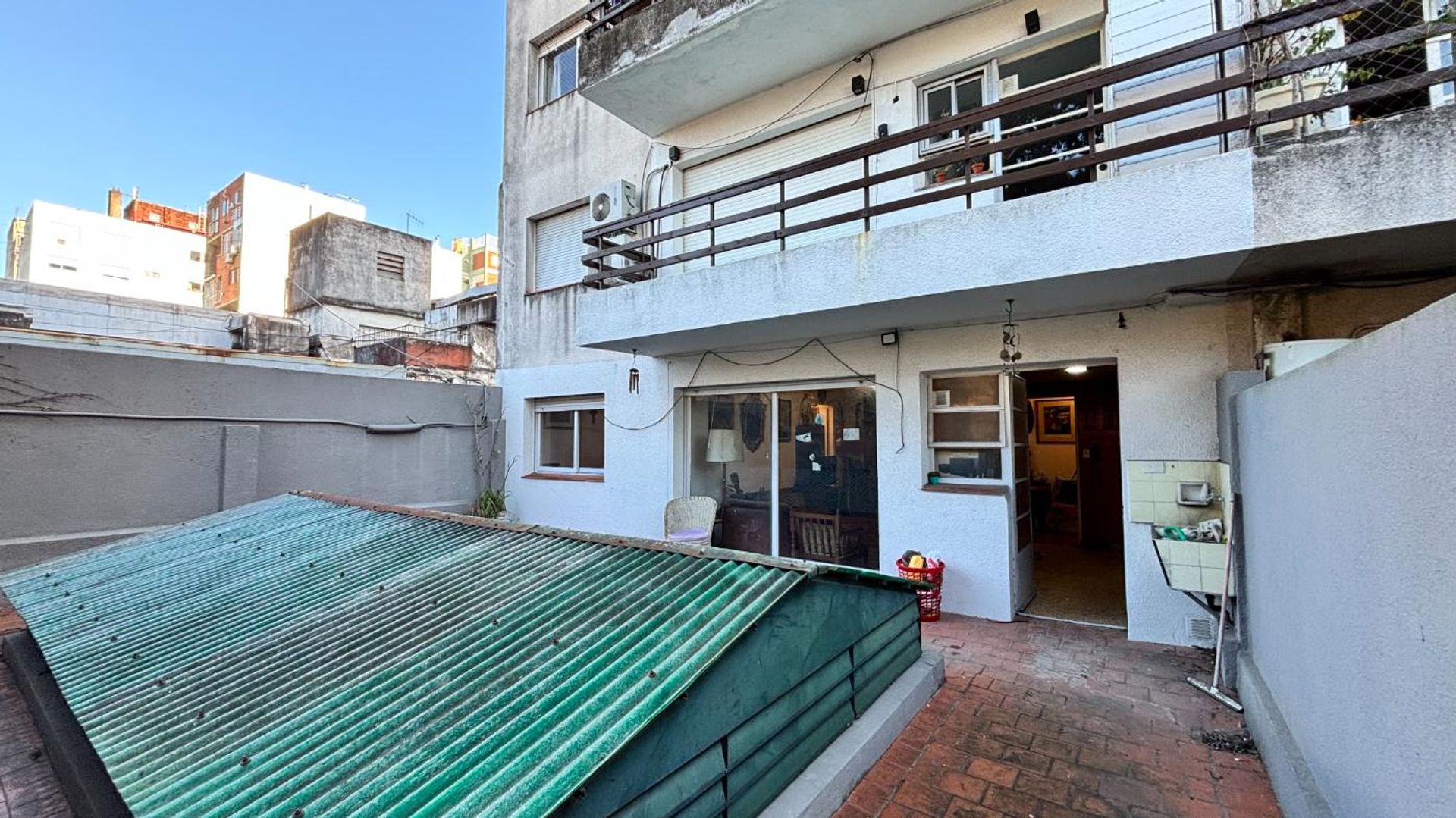
- "Es un contrafrente muy luminoso con ventilación óptima y un gran patio que suma amplitud." -It is a contrafrente (rear-facing unit / back unit / faces the back / interior-facing) very bright with optimal ventilation and a large patio that adds spaciousness. "Contrafrente" in Argentine real estate means it faces the back of the building, not the street. Common translations: rear-facing, back-facing, or simply "contrafrente" if we want to keep the term, but usually translated as "rear-facing" or "faces the back". I'll use "rear-facing" or "back-facing". Actually, "It faces the back" or "It is a rear-facing unit". Let's use "rear-facing" or "interior-facing". But "contrafrente" specifically means opposite to the front/facade. I'll translate as "rear-facing".
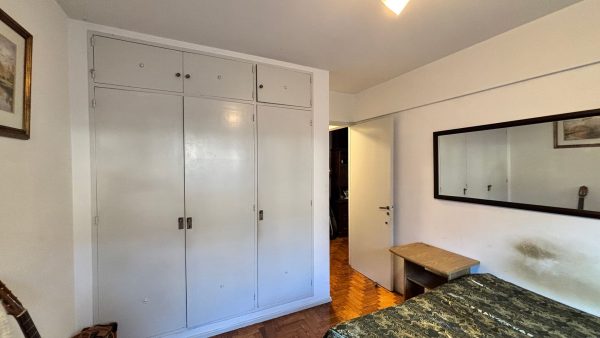
- "El inmueble dispone de tres bauleras que ofrecen espacio extra de guardado." -The property has three storage lockers that offer extra storage space. (baulera = storage locker per glossary)
- "Se encuentra en buen estado general, lo que permite habitarlo de inmediato o proyectar una renovación según las preferencias del comprador." -It is in good overall condition, which allows immediate occupancy or planning a renovation according to the buyer's preferences.
- "Su ubicación sobre una arteria principal de Florida garantiza excelente conectividad." -Its location on a main artery of Florida guarantees excellent connectivity.
- "Además, está a una cuadra de la estación Florida del Ferrocarril Mitre, lo que facilita el acceso al transporte público." -Also, it is one block from the Florida station of the Mitre Railway, which facilitates access to public transportation.
Wait, the context says: "This property has 1 bedroom(s) (from 2 total rooms/ambientes). Use '1-bedroom apartment' when referring to size."
So when the text says "Departamento de dos ambientes", that is referring to the size/type. I should translate it as "1-bedroom apartment". But the text later mentions "distribuidos en un ambiente principal, una habitación y un baño completo" - here "ambiente principal" is the main room (living room), and "habitación" is the bedroom. I should translate faithfully: "distributed in a main room, a bedroom and a full bathroom." I should not change that to "1-bedroom" there because it's describing the distribution of rooms.
Also, the location: "Florida, Buenos Aires" - Florida is a town/partido in Buenos Aires Province (not CABA). The text says "Florida, Buenos Aires" not "Florida, CABA". So I should keep it as "Florida, Buenos Aires".
Measurements: "48 metros cuadrados cubiertos, 7 metros semicubiertos y 46 metros descubiertos" -"48 square meters covered, 7 semi-covered square meters and 46 uncovered square meters" or "48 covered square meters, 7 semi-covered square meters and 46 uncovered square meters". The phrasing in English real estate is usually "48 covered square meters" or "48 square meters covered". Let's see what sounds natural: "The unit features 48 covered square meters, 7 semi-covered square meters and 46 uncovered square meters" or "48 square meters of covered space, 7 of semi-covered space and 46 of uncovered space". I'll go with a direct but readable translation.
"contrafrente" -This is tricky. In Argentine real estate, "contrafrente" means the apartment faces the courtyard/back of the building, as opposed to the street. English equivalents: "rear-facing", "back-facing", "faces the rear", "interio
1. Property type: Apartment
2. Operation: For Sale
3. 1 bedroom from 2 total rooms/ambientes. Use '1-bedroom apartment' when referring to size.
4. Glossary provided: pileta=pool, cochera=parking/garage, baulera=storage locker, PH=penthouse, expensas=HOA fees, CABA=City of Buenos Aires, con renta=income-producing.
5. Translate only what is written. Do not add or infer missing data.
6. Plain text, no markdown.
Original text analysis:
- "Departamento de dos ambientes en venta ubicado en Florida, Buenos Aires." -1-bedroom apartment for sale located in Florida, Buenos Aires. (Note: "dos ambientes" means 2 rooms total, which per context = 1 bedroom. So I should use "1-bedroom apartment" when referring to size, but the text says "Departamento de dos ambientes" which describes the size. Since the context says "Use '1-bedroom apartment' when referring to size", I should translate this as "1-bedroom apartment for sale located in Florida, Buenos Aires.")
- "La unidad cuenta con 48 metros cuadrados cubiertos, 7 metros semicubiertos y 46 metros descubiertos, distribuidos en un ambiente principal, una habitación y un baño completo." -The unit has 48 square meters covered, 7 semi-covered and 46 uncovered, distributed in a main room, a bedroom and a full bathroom. (Note: "ambiente principal" = main room/living room, "habitación" = bedroom. Since it's a 2 ambientes, one is the living room and one is the bedroom.)
- "Es un contrafrente muy luminoso con ventilación óptima y un gran patio que suma amplitud." -It is a contrafrente (rear-facing unit / back unit / faces the back / interior-facing) very bright with optimal ventilation and a large patio that adds spaciousness. "Contrafrente" in Argentine real estate means it faces the back of the building, not the street. Common translations: rear-facing, back-facing, or simply "contrafrente" if we want to keep the term, but usually translated as "rear-facing" or "faces the back". I'll use "rear-facing" or "back-facing". Actually, "It faces the back" or "It is a rear-facing unit". Let's use "rear-facing" or "interior-facing". But "contrafrente" specifically means opposite to the front/facade. I'll translate as "rear-facing".
- "El inmueble dispone de tres bauleras que ofrecen espacio extra de guardado." -The property has three storage lockers that offer extra storage space. (baulera = storage locker per glossary)
- "Se encuentra en buen estado general, lo que permite habitarlo de inmediato o proyectar una renovación según las preferencias del comprador." -It is in good overall condition, which allows immediate occupancy or planning a renovation according to the buyer's preferences.
- "Su ubicación sobre una arteria principal de Florida garantiza excelente conectividad." -Its location on a main artery of Florida guarantees excellent connectivity.
- "Además, está a una cuadra de la estación Florida del Ferrocarril Mitre, lo que facilita el acceso al transporte público." -Also, it is one block from the Florida station of the Mitre Railway, which facilitates access to public transportation.
Wait, the context says: "This property has 1 bedroom(s) (from 2 total rooms/ambientes). Use '1-bedroom apartment' when referring to size."
So when the text says "Departamento de dos ambientes", that is referring to the size/type. I should translate it as "1-bedroom apartment". But the text later mentions "distribuidos en un ambiente principal, una habitación y un baño completo" - here "ambiente principal" is the main room (living room), and "habitación" is the bedroom. I should translate faithfully: "distributed in a main room, a bedroom and a full bathroom." I should not change that to "1-bedroom" there because it's describing the distribution of rooms.
Also, the location: "Florida, Buenos Aires" - Florida is a town/partido in Buenos Aires Province (not CABA). The text says "Florida, Buenos Aires" not "Florida, CABA". So I should keep it as "Florida, Buenos Aires".
Measurements: "48 metros cuadrados cubiertos, 7 metros semicubiertos y 46 metros descubiertos" -"48 square meters covered, 7 semi-covered square meters and 46 uncovered square meters" or "48 covered square meters, 7 semi-covered square meters and 46 uncovered square meters". The phrasing in English real estate is usually "48 covered square meters" or "48 square meters covered". Let's see what sounds natural: "The unit features 48 covered square meters, 7 semi-covered square meters and 46 uncovered square meters" or "48 square meters of covered space, 7 of semi-covered space and 46 of uncovered space". I'll go with a direct but readable translation.
"contrafrente" -This is tricky. In Argentine real estate, "contrafrente" means the apartment faces the courtyard/back of the building, as opposed to the street. English equivalents: "rear-facing", "back-facing", "faces the rear", "interio
Location & Surroundings
Florida · Vicente Lopez